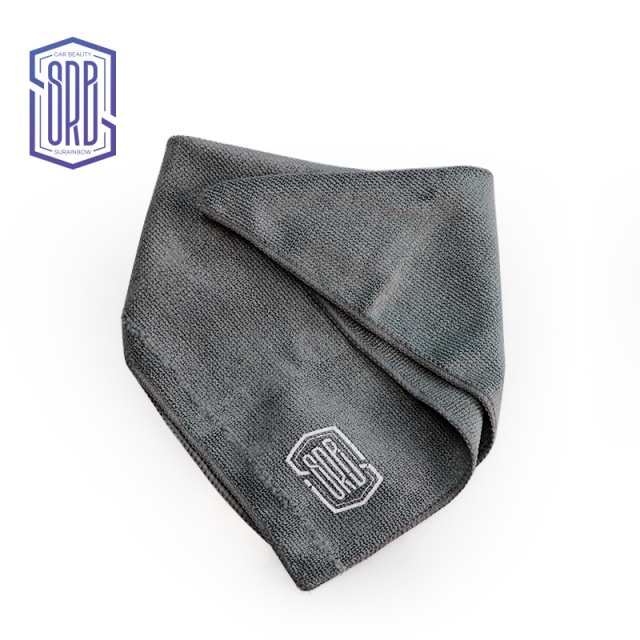
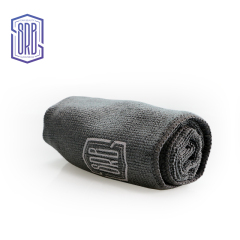
Vehicle Cleaning Towel
Vehicle washing and drying call for a cloth that sits comfortably in the hand around body panels. As a microfiber towel supplier, SURAINBOW offers this auto detailing microfiber towel as a reusable textile for the wash bay, detailing workshop and home garage, with manual wiping at the center of its everyday use in professional car care.
Keep it alongside the car care supplies used through a regular wash routine, ready for the hands-on work between rinsing and the final visual check. Assigning cloths to specific tasks also makes everyday vehicle care easier to organize.
Towel Specifications
| Property | Value |
|---|
| Brand | SURAINBOW |
| Model number | T-644 |
| Item reference | T644 |
| Type | Towel |
| Product name | Microfiber car towel |
| Material | Microfiber Pearly Towel |
| Material designation | Environment-friendly Material |
| Color | Grey |
| Size notation | 38*38 |
| Function | Cleaner |
| Place of origin | Guangdong, China |
Fabric & Stitching
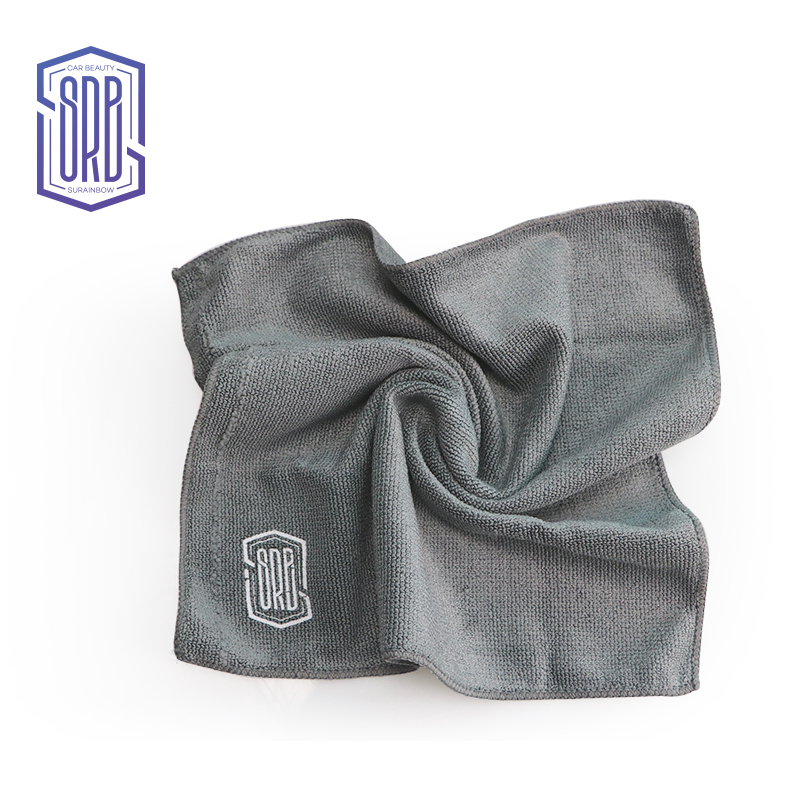
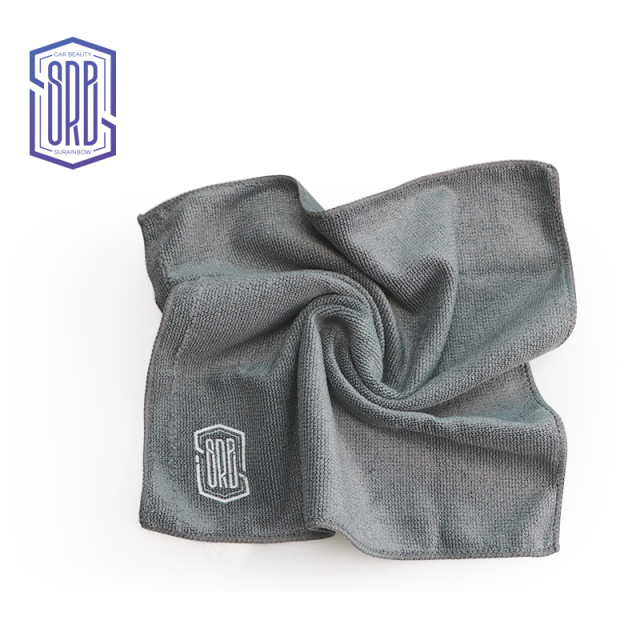
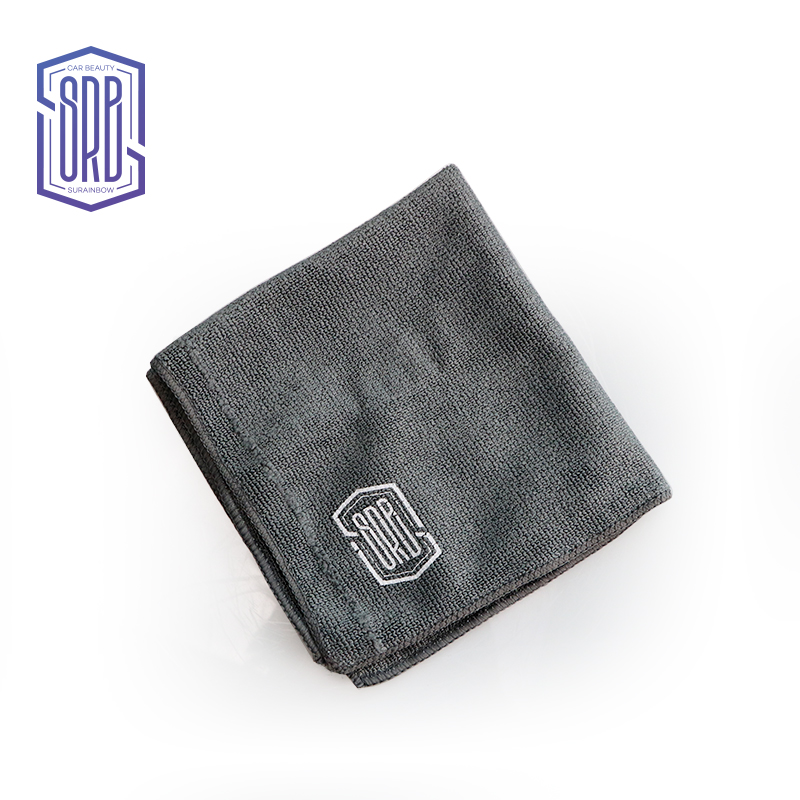
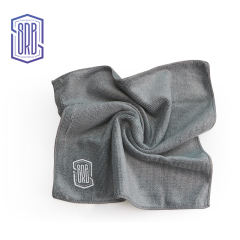
- Dense loops give the working face a visibly textured surface. Alongside automotive care products, the cloth provides the fabric contact needed to wipe across a panel by hand.
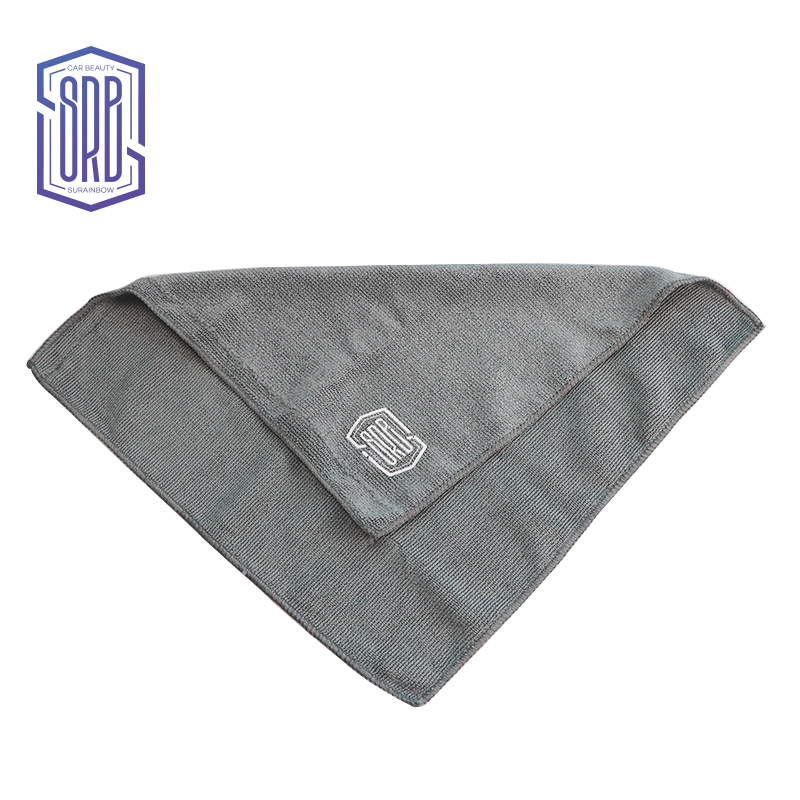
- Contrasting fabric textures give the surfaces a different appearance and feel. Keep the working face consistent during a task so you can judge its contact with the finish without changing surfaces midway through a panel.
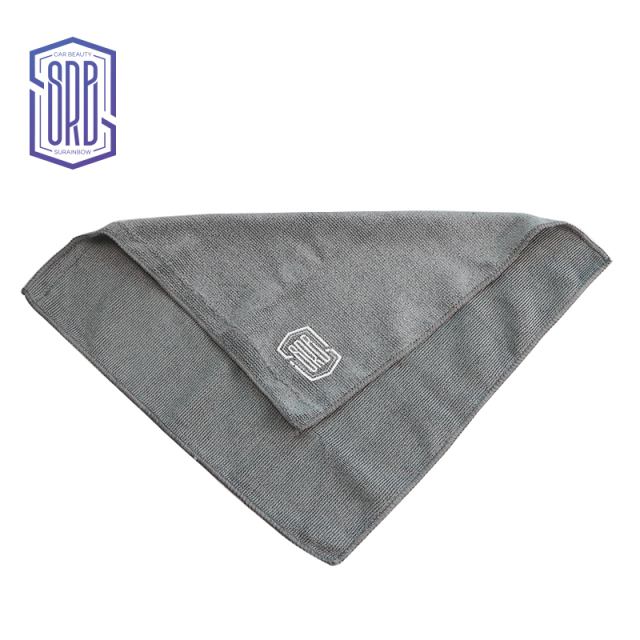
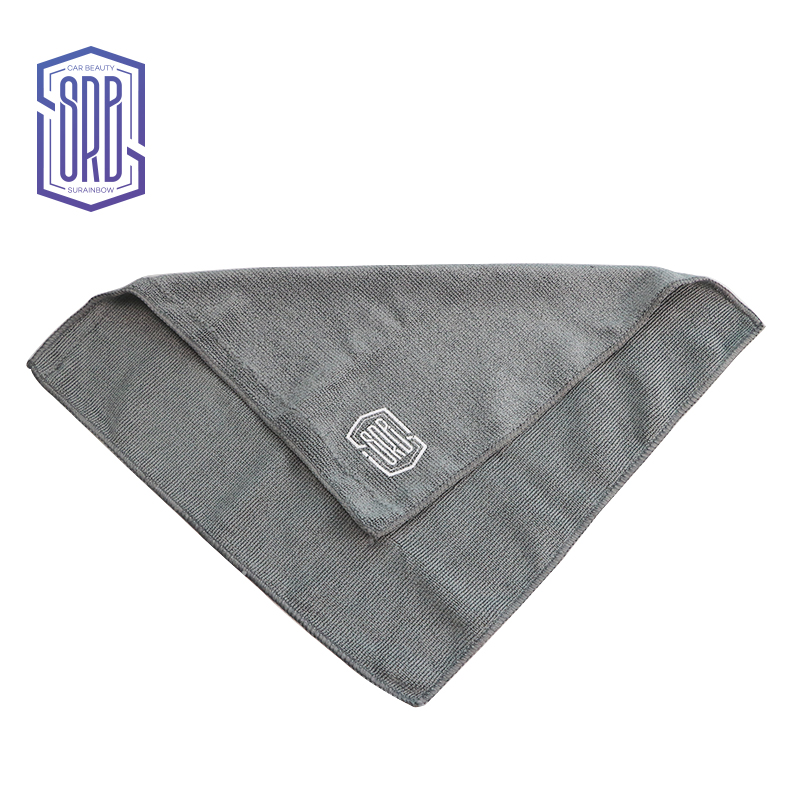
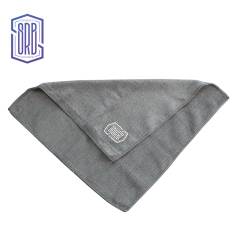
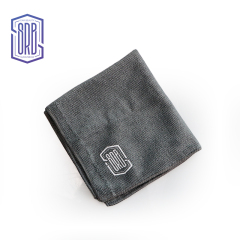
- Stitched edges form a defined perimeter around the cloth. The finished border gives you a clear edge to hold while keeping the main fabric face against the vehicle.
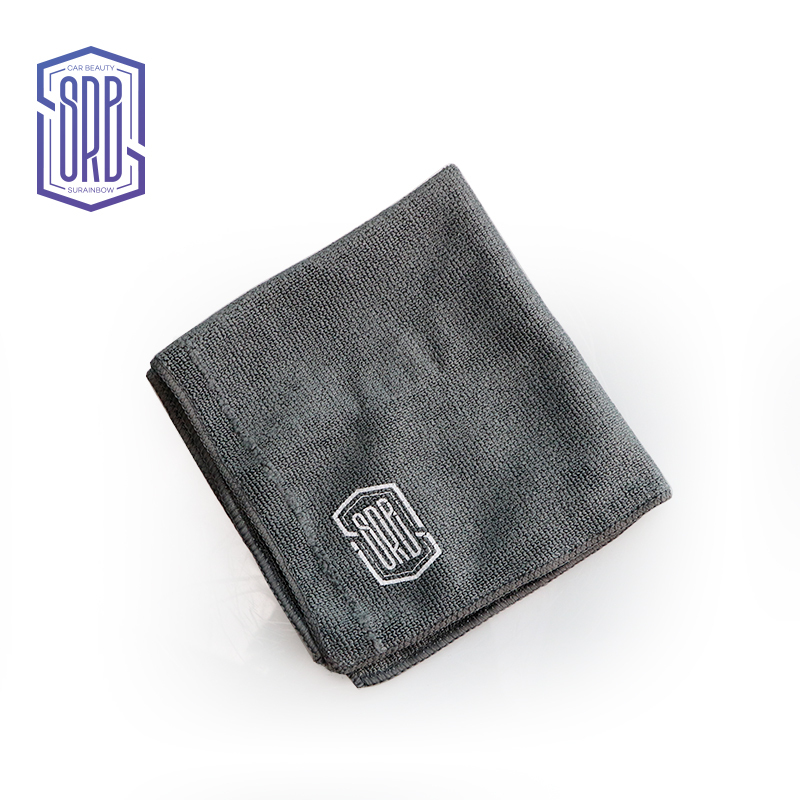
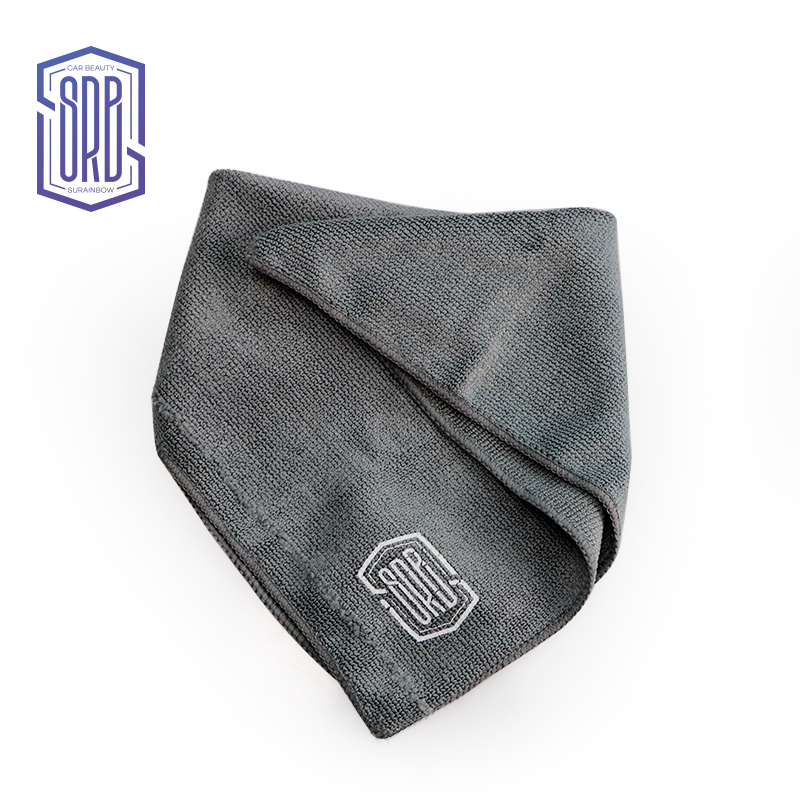
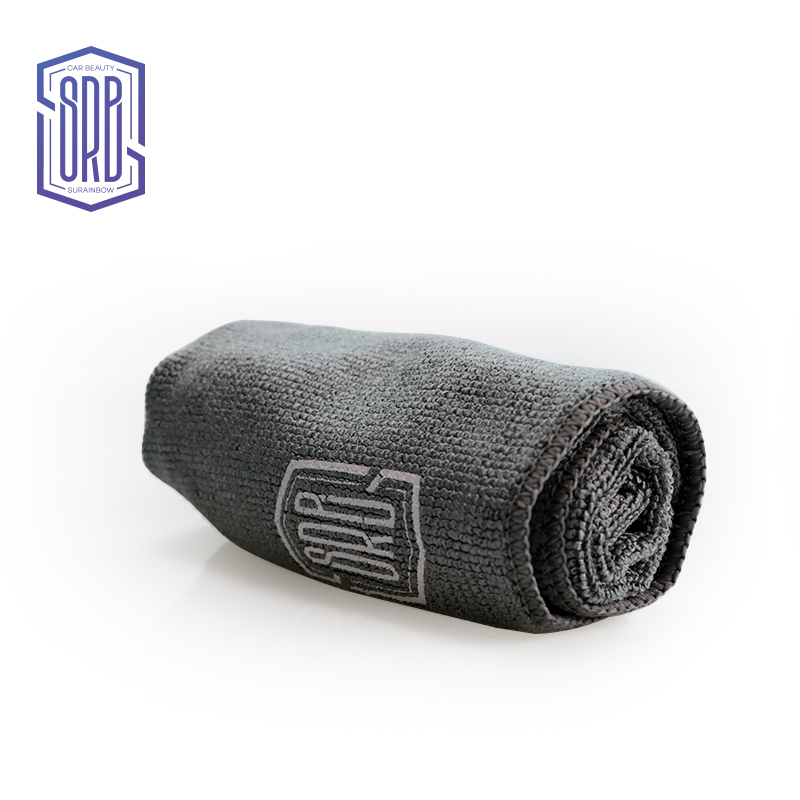
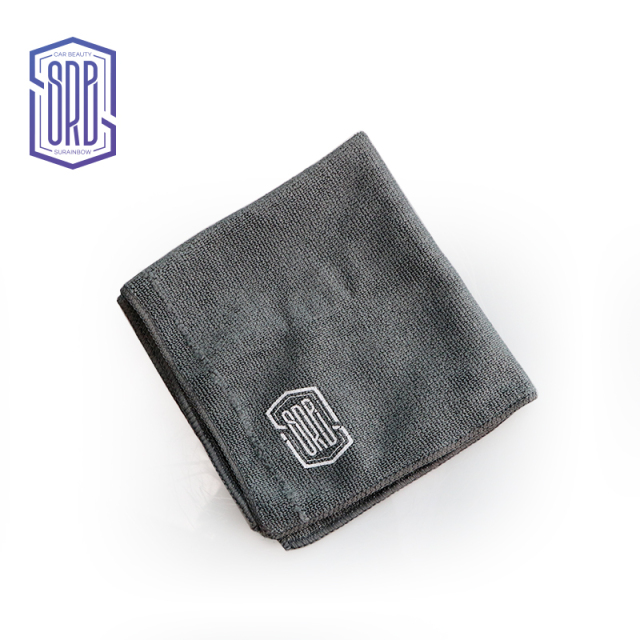
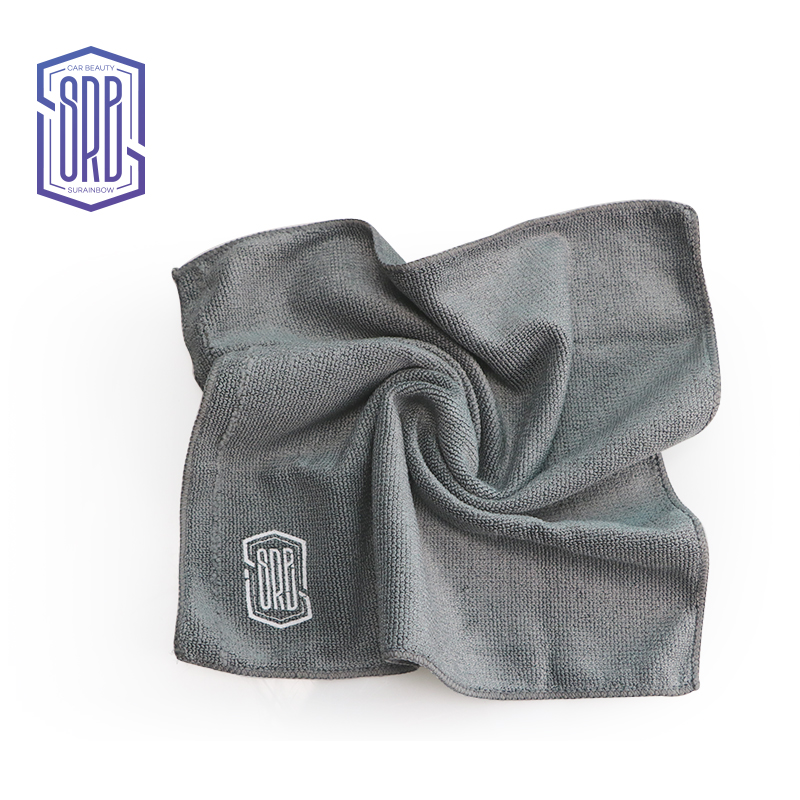
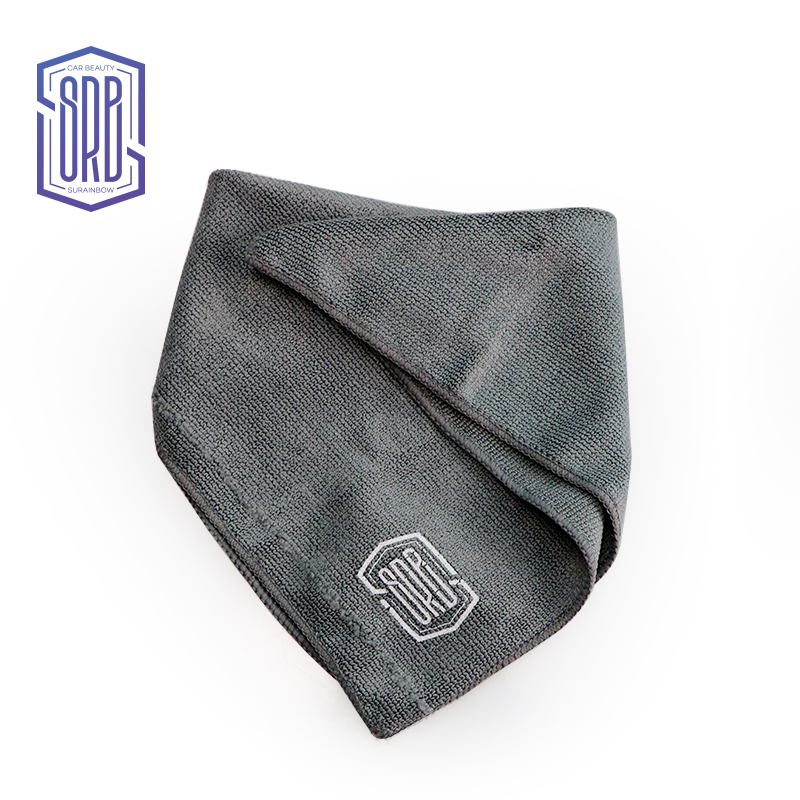
- Flexible fabric folds into a smaller working pad and opens out for broader contact. That makes the towel practical for car care manufacturers to include in car care kits assembled for work done by hand.
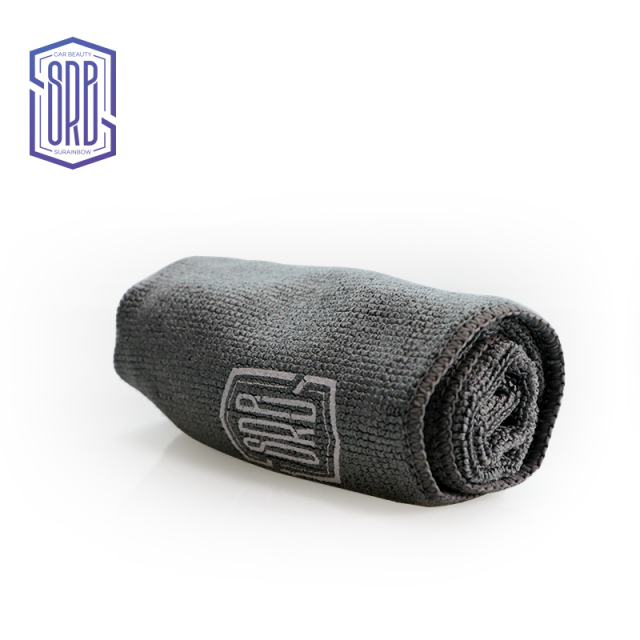
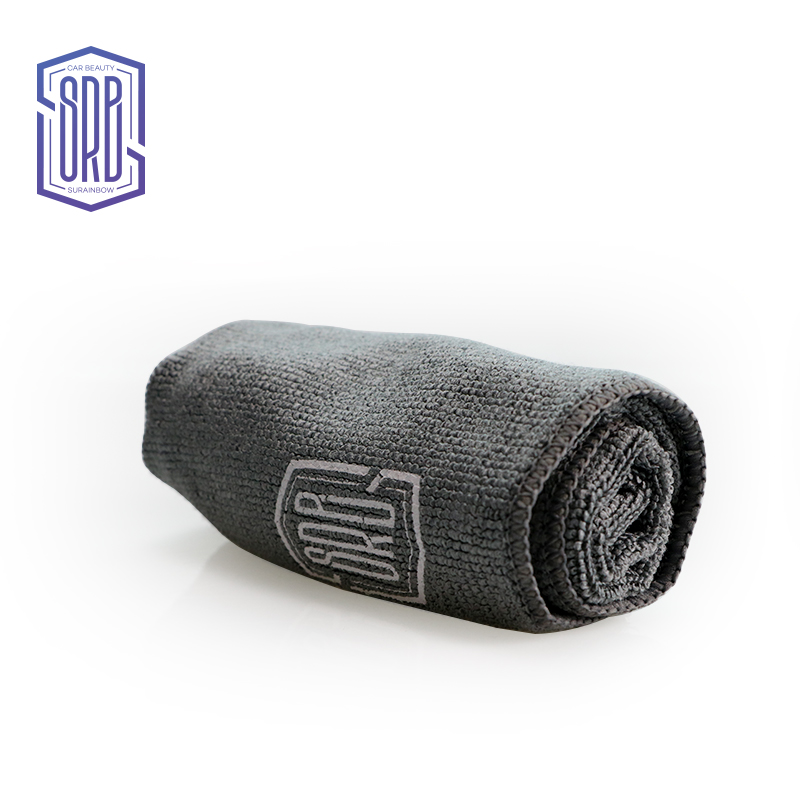
- The cloth can be rolled or folded between uses without a rigid holder. At a wash-bay station, keep the working face off dirty benches, tool trays and other surfaces that can transfer debris.
Washing & Drying
- Loose road grit needs rinsing away before towel contact during professional car care. Start with the vehicle surface and cloth free of visible particles that could be dragged across the finish.
- Wet cleaning requires enough water and suitable car care products for the intended surface. Keep the contact area wet during washing, and stop if the cloth begins to drag against remaining road film.
- Short, controlled passes help you manage contact around body contours. Use light hand pressure and let the wash process loosen dirt before continuing over a stubborn patch.
- After the final rinse, work through the body panels in an orderly drying sequence. Gentle passes over the upper panels and then the vertical surfaces make remaining water easier to track.
- A towel that has become saturated needs replacing with a clean, dry cloth to continue drying effectively. Avoid repeatedly working the same wet fabric over a panel and expecting it to remove more water.
- A final check in angled light helps reveal droplets around panel edges and trim. Treat persistent marks according to their cause, and stop rubbing if the surface needs further cleaning.
Sample Testing & Approval
- When evaluating towels for car care kits, use a clean test panel and your usual wash conditions for a useful trial before routine use. Begin on an inconspicuous area and check the finish after the cloth has passed over it.
- Size units, fiber blend, fabric weight and edge-finish details belong in the agreed technical specification. Car care manufacturers should establish these before using the dimensions for labels or comparing the cloth with an existing towel.
- For professional car care, assess water pickup, contact feel and visible lint under consistent conditions. Record the panel condition and whether the cloth was dry or damp so later checks can use the same method.
- Any car care products used during the trial should be recorded by name, together with the working dilution required by their own instructions. A satisfactory result with one wash solution does not establish compatibility with every chemical.
- Repeat purchases of car care supplies benefit from an identifiable approval record. Keep the accepted trial cloth, photographs, written specification and agreed tolerances together; include appearance and dimensional changes after laundering if those are important to your operation.
- Target-market reports need to apply to the textile being supplied. Ask your microfiber towel supplier which relevant third-party fiber, colorfastness or safety documents are available, and what supports any environmental labeling you intend to use; approvals for unrelated products do not establish compliance for this towel.
Laundering & Care
- Used towels need laundering before they rejoin clean car care supplies. Separate microfiber from lint-shedding fabrics, and keep heavily contaminated cloths apart from those used for delicate finishing.
- A detergent intended for microfiber helps you follow a suitable laundry routine. Follow any care label supplied and avoid fabric softener, which can leave a coating on the fibers and interfere with their working feel.
- Thorough rinsing removes detergent left in the fabric. If a washed cloth still feels soapy or carries oily residue, clean it again before returning it to vehicle-contact work.
- Dry the towel according to its care instructions without assuming a particular heat setting. Put it away only when dry, in a clean location protected from workshop dust and airborne debris.
- Cloths that remain hardened, damaged or embedded with particles after washing need retiring from delicate finishes. When maintaining automotive care products and accessories, include a simple cloth inspection so worn textiles do not return unnoticed to sensitive work.
Ordering & Delivery
Workshop towel orders start with the requested quantity, destination and agreed specification. Work with SURAINBOW as your microfiber towel supplier to establish the applicable minimum order quantity, current price and item availability in the commercial offer.
Packaging Design & Approval
For car care kits or individual resale, specify the required presentation, pieces per pack, carton quantity and shipping marks. The quotation should identify the packing arrangement being supplied, including whether the towel is packed individually or grouped with other items.
Artwork, label language and barcode details need checking against the intended pack. If you need packaging design or proofing support, establish the available scope and approve the relevant layout or physical pack before release; changes to the towel's branding or construction need separate agreement.
Stock & Dispatch
Across the SURAINBOW range, our general supply approach is: In stock and fast shipping. Availability for this towel and the dispatch schedule are confirmed for each order.
Balance Payment & Shipment
Any balance payment, accepted payment method and shipment-release conditions belong in the order confirmation. Before dispatch, review the agreed inspection arrangement, consignee details, shipping method and carton marks together.
For mixed orders of automotive care products, check the document requirements by item. Agree which commercial invoice, packing list, customs documents and applicable product reports will accompany the shipment, subject to the product, destination and available documentation.
After-Sales & Batch Traceability
For a shortage, fabric defect or other concern after receipt, keep the order reference, affected quantity, photographs and a clear description of the issue. Where use or laundering may be relevant, include the products used and the care conditions so the concern can be reviewed against the agreed specification.
Batch identification, inspection records and retained samples should be agreed where your order requires them. Keep any lot or carton markings supplied with the goods; individual towel markings and a particular record-retention arrangement are not assumed.
Scale & Supply Capability
SURAINBOW supports purchasing across our full range through an integrated manufacturing and trading business with 50 employees. Established in 2010 and based in Guangzhou, we primarily supply our own SURAINBOW brand, with OEM/ODM customization also available. Stock availability and fast shipping help support your replenishment needs. Share your purchasing plans and development requirements with us to discuss available products and customization options for your business.
FAQ
Can I use the towel during waxing?
Waxing is among the intended uses for this auto detailing microfiber towel. Follow the wax maker's directions for removal timing and use a clean cloth for residue wiping; the towel itself does not supply wax or a protective coating.
Should the embroidered corner touch the paint?
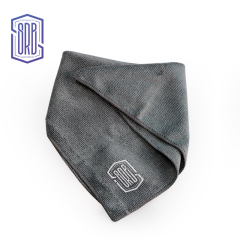
Keep the embroidered corner away from paint: the raised logo creates a different contact surface from the surrounding cloth. Tuck that corner inside your grip so it cannot trail across the finish as you change direction. Around door handles, mirror housings and recessed details, check that the logo remains tucked away as the cloth shifts in your hand. Use the same precaution on glossy trim, where an exposed corner can make unintended contact while you reach an adjoining area. If a mark needs further attention, avoid using the embroidery as a scrubbing spot; choose a treatment appropriate to the mark and finish. Check the logo area for loose threads or snagging before use, and set the towel aside from paintwork if the embroidery is damaged. Whenever you open the towel out, locate the embroidered corner again before resuming contact.
Does the towel attach to a powered polisher?
Keep the towel separate from the polisher’s rotating attachment; it is intended for removing residue after a polishing pass. For powered work, choose a dedicated polishing pad approved for the machine, with the attachment system and dimensions specified by its manufacturer. Do not wrap the towel around a backing plate or trap it beneath a pad, because loose fabric can shift or become caught during operation. Switch the polisher off and let it stop completely before bringing the towel near the working area. When removing polish residue, follow the polish maker’s instructions for wipe-off timing; a towel does not make every compound suitable for removal at the same stage. For a kit containing both tools and accessories, keep the towel separate from the machine pads and identify their different uses in the kit instructions so the distinction stays clear when supplies are unpacked.
Does the towel produce foam during washing?
Vehicle washing is an intended use, with the towel providing manual fabric contact alongside suitable car care products. Foam comes from the wash solution and its applicator; follow the shampoo's instructions for application and rinsing.