Guangzhou Liangdian Automotive Supplies Co., Ltd.
Guangzhou Liangdian Automotive Supplies Co., Ltd.

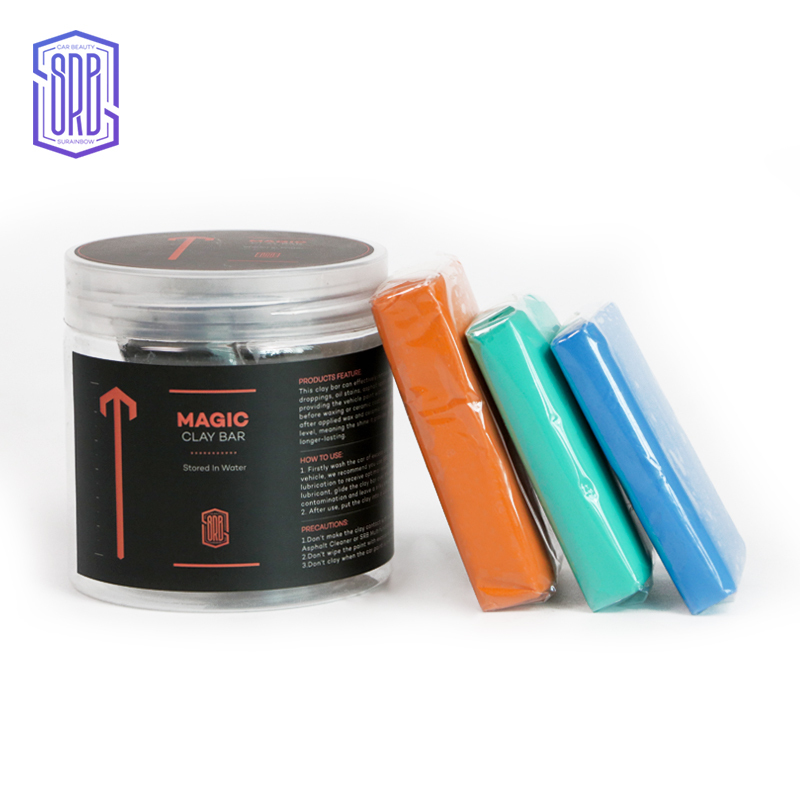
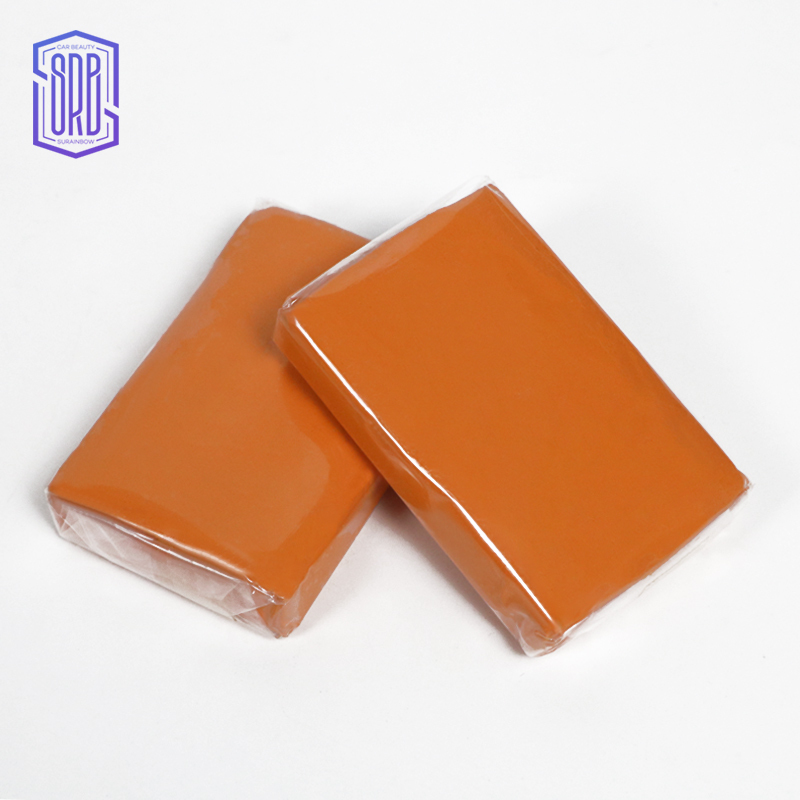
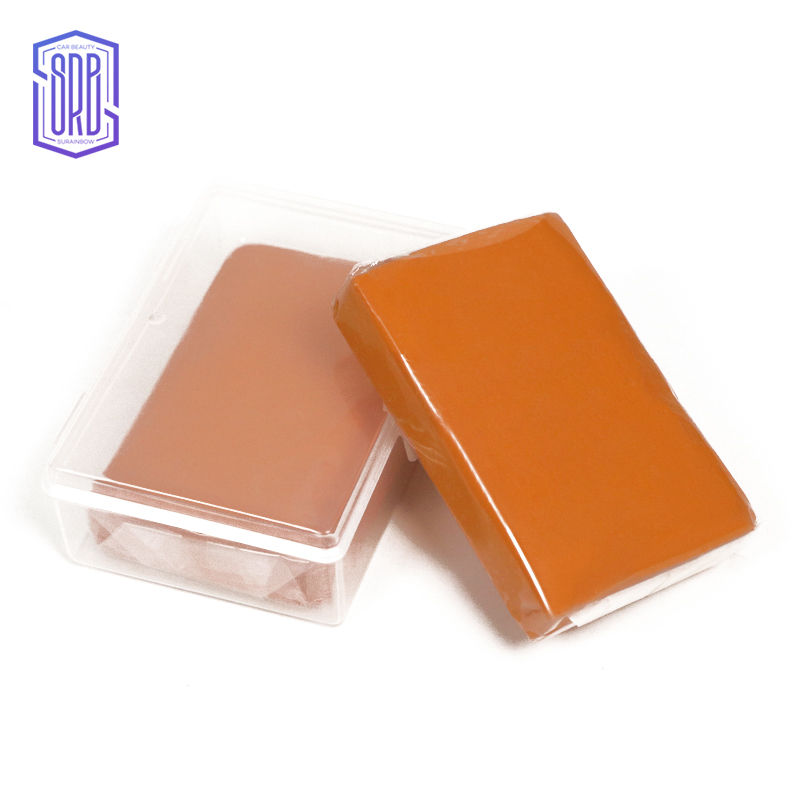
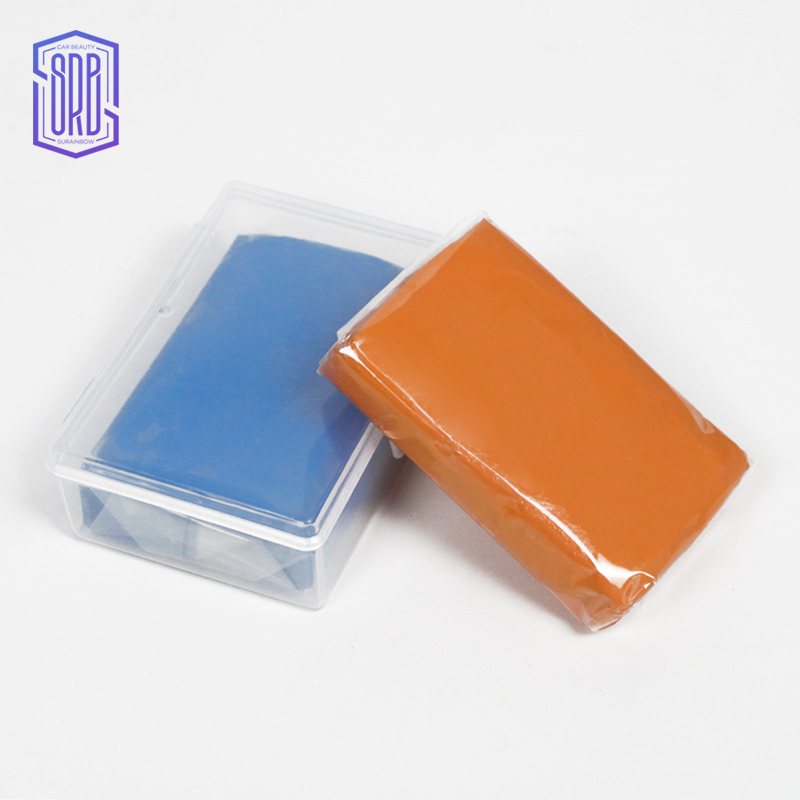
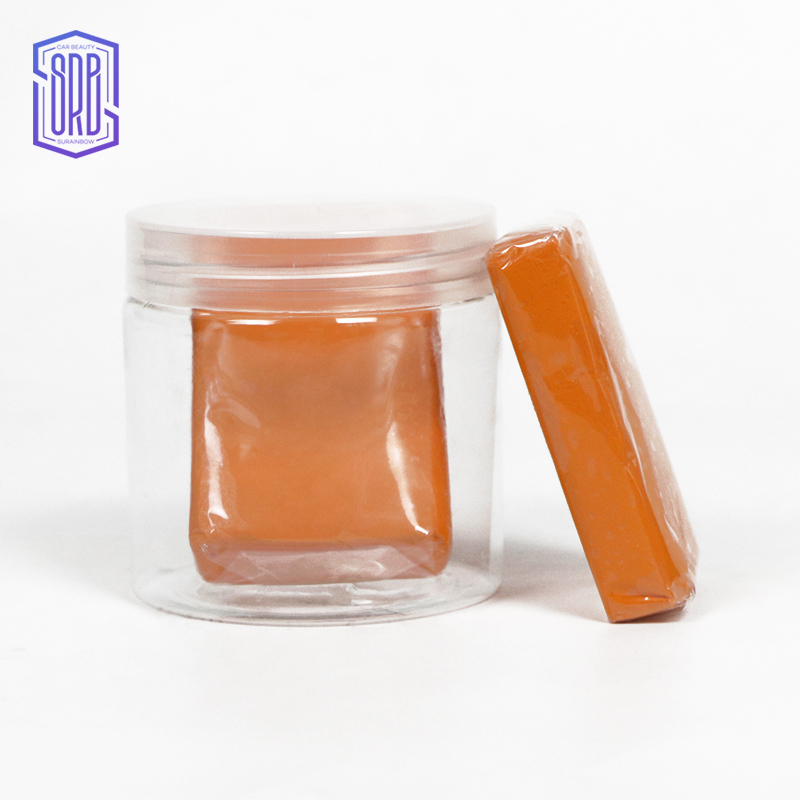
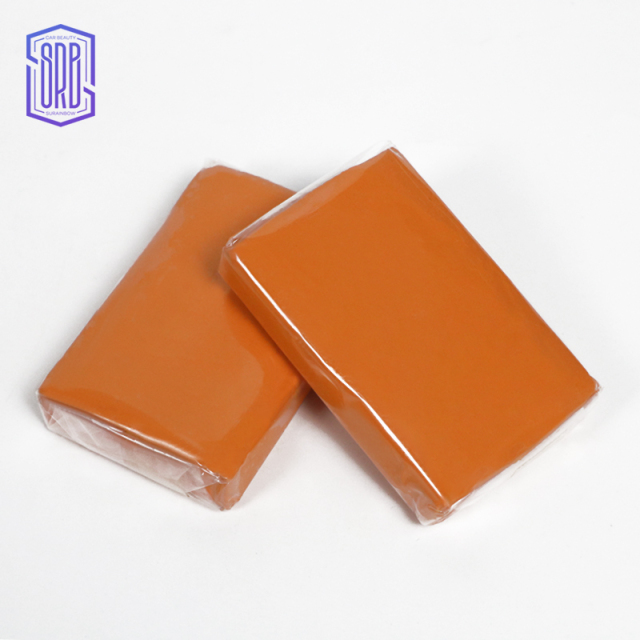
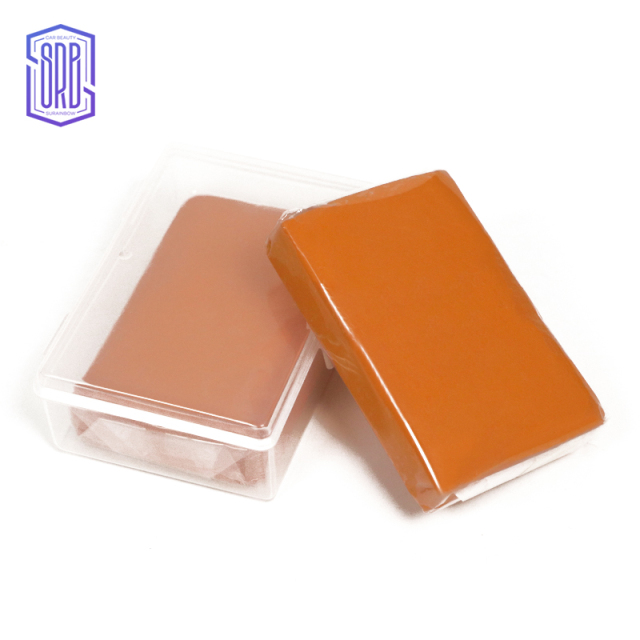
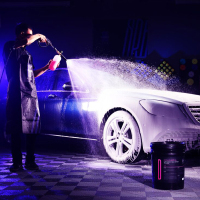
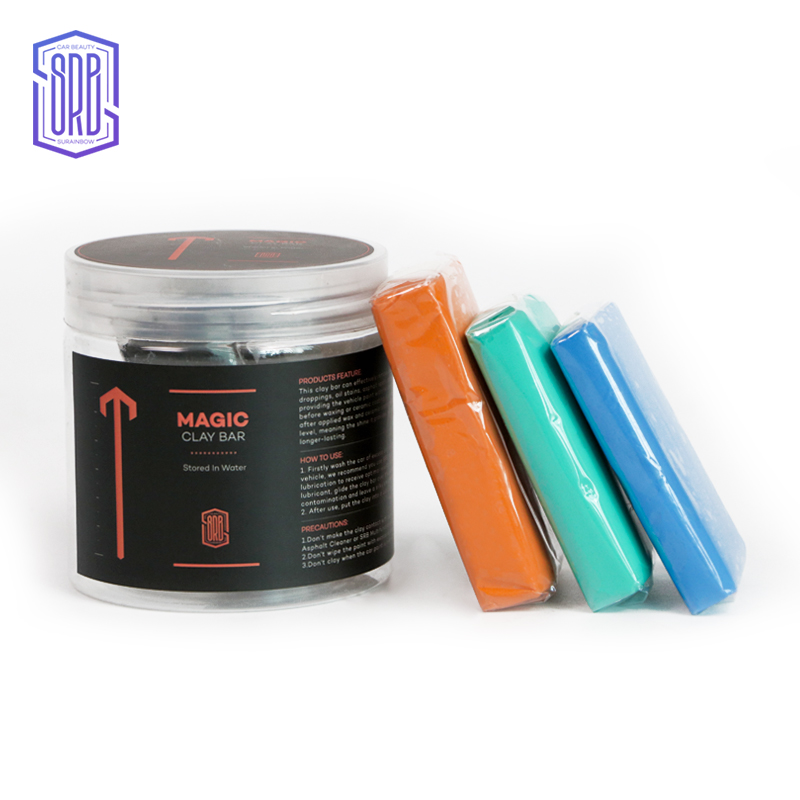
Paint that looks clean but still feels rough under a fingertip is asking for clay, not another wash. The T-506 Magic clay bar is a block of orange detailing clay, shaped to sit in the palm and be pressed flat into a disc before it touches a panel. Worked over lubricated paint with light pressure, it draws the bonded layer — traffic film, industrial fallout, overspray dust, the grit a shampoo cannot lift — into the clay itself, so the surface comes back smooth and ready for the machine.
Preparation is its whole job, and it pays to keep that separate. A polishing pad and compound cut and refine the paint; a wax, sealant or coating then protects it. The clay bar works between those two stages, and skipping it means polishing over contamination or sealing it in.
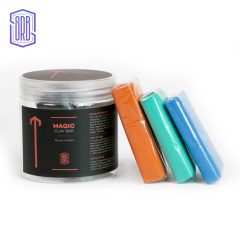
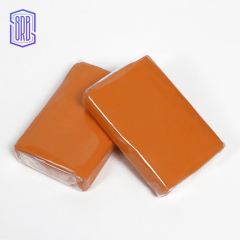
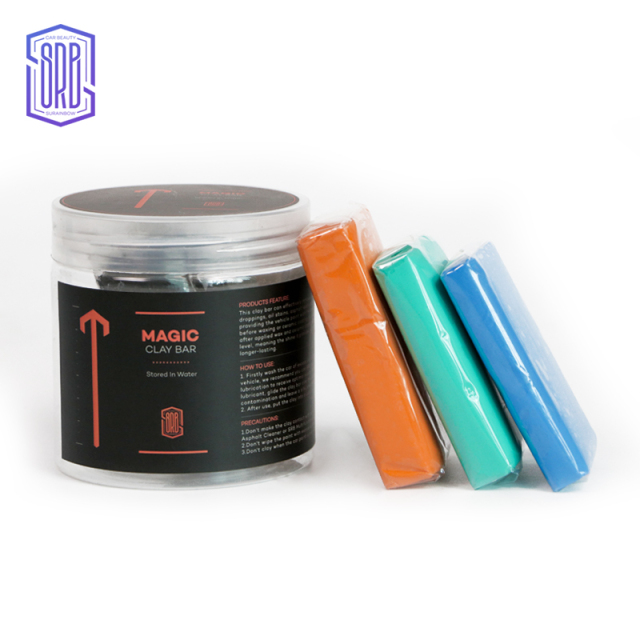
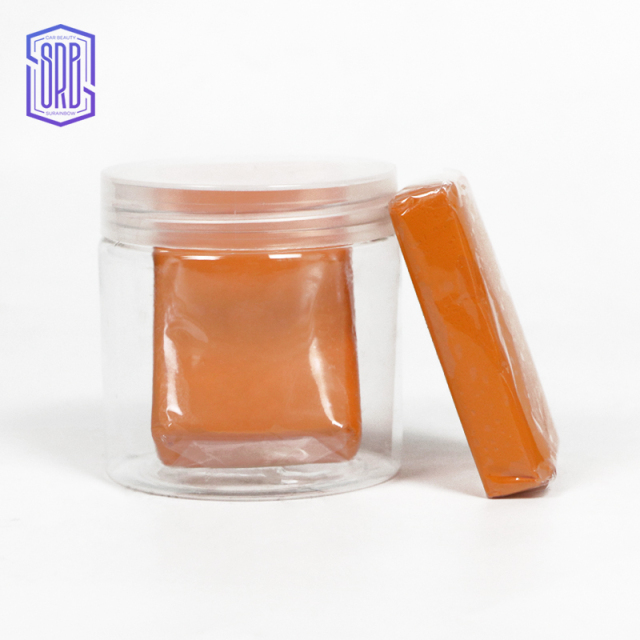
Detail shops run it as a stand-alone decontamination service. Wash bays sell it as an upgrade to a standard wash. Used-car operations pass it over the horizontal panels before photographs. Distributors stock it as a fast-moving consumable inside a car care products range, because a bar goes onto every vehicle and comes back on a predictable reorder cycle. Each bar ships individually wrapped with the SURAINBOW Magic Clay Bar label, so it goes straight onto a shelf or into a job box without repacking. For buyers who plan a car care supplies budget around repeat consumables rather than one-off purchases, that wrapper matters as much as the clay inside it.
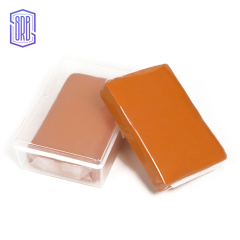
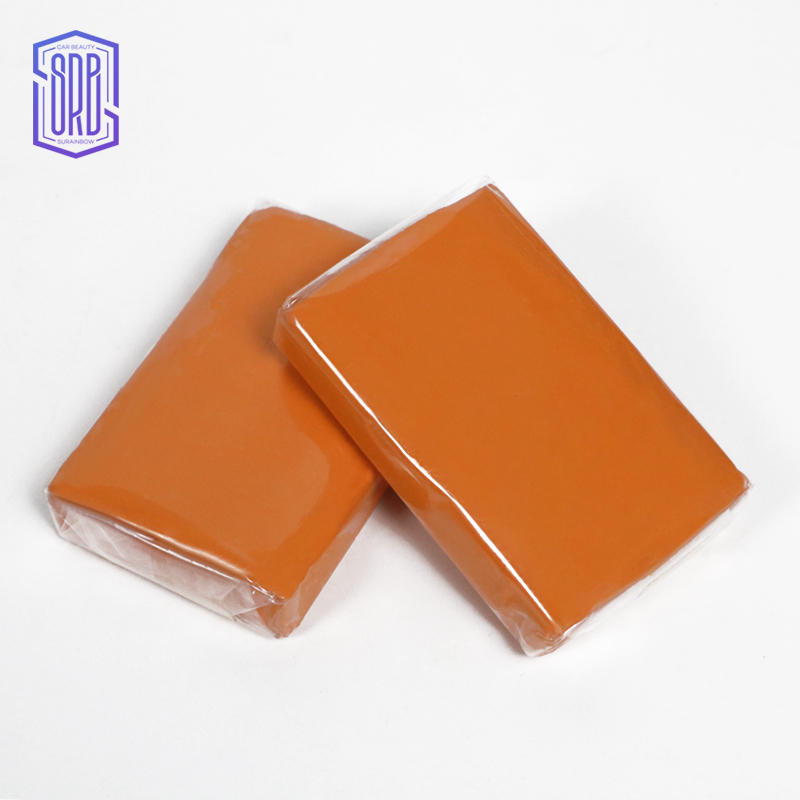
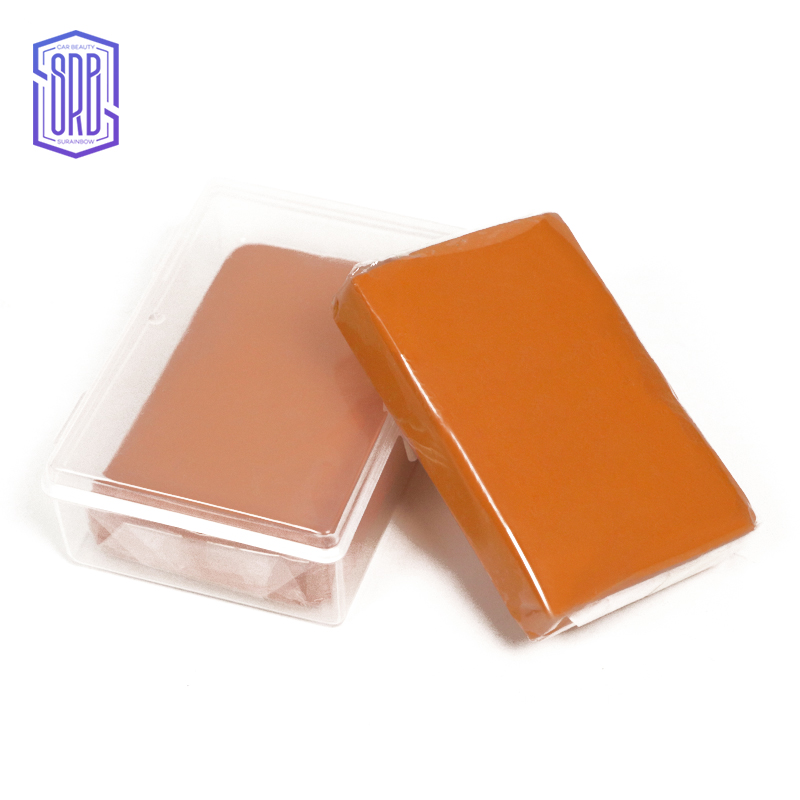
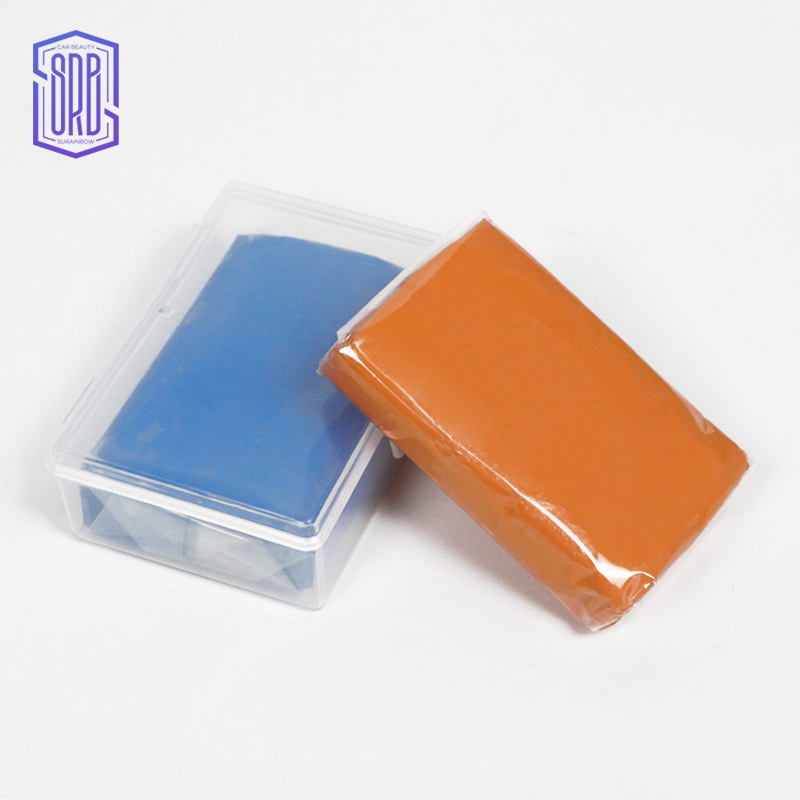
Working weight that stays stable in the palm — enough clay to be folded into a fresh face several times across a vehicle, so a single bar carries a full decontamination job. Orange clay body — the colour is easy to pick out against light paint and easy to identify on a bench full of pads, towels and bottles. Flat rectangular block — it kneads into a disc that fits inside the fingers, which spreads pressure evenly across a panel instead of concentrating it in one spot. Smooth, opaque surface — contamination is pulled into the clay rather than scrubbed across the clear coat, which is why the bar is worked with lubricant and light pressure rather than force. Individually wrapped — one bar per clear wrapper keeps stock clean and sealed, and lets a technician take a single bar to a vehicle without opening a bulk pack. A proper car detailing cleaner, not a shortcut — it takes off what the wash leaves behind, so the panel is genuinely clean before a polish, a wax or a coating goes on. Sized for professional car care products work — the weight, the wrapper and the flat block format suit a shop running several vehicles a day, not a single weekend job.
Full paint correction — the bar runs after the wash and before the first cutting pass, so the pad is not dragging bonded fallout across the clear coat. Before protection — clay the whole vehicle first, then apply wax, sealant or ceramic coating; doing it panel by panel leaves gaps in the protection. Used-car reconditioning — a pass over the bonnet, roof and boot lid lifts the film that makes a car look dull in photographs. Wash-bay upgrade — a short decontamination step that turns a standard wash into something the customer can feel on the paint. Distributor assortment — an easy line to place in a car detailing chemicals wholesale range between wash chemicals and polishing pads, because it reorders as a consumable rather than a one-off tool. Kit and shelf building — buyers assembling a car care products range often put a bar beside shampoo, applicator and wax, since it is the step customers ask about once a regular wash stops working. Resale consistency — weight, colour and wrapper stay the same from run to run, which is what buyers comparing car cleaning products manufacturers check first.
| Brand | SURAINBOW |
| Model | T-506 |
| Product name | Magic clay bar block (car clay bar auto cleaner) |
| Item type | Car cleaner and washer |
| Material | Clay bar |
| Colour | Orange |
| Weight | 150 g |
| Bar dimensions | 9 × 6.5 × 3.5 cm |
| Format | Flat rectangular block, individually wrapped |
| Intended use | Cleaning car body paint |
| Detailing stage | Surface preparation, before polishing, wax or coating |
| Place of origin | Guangdong, China |
Every bar is checked and individually wrapped before it is packed, and each production run is logged against a batch code, so a carton can be traced back to the run it came from rather than to a general product name.
That record matters when you resell. Buyers comparing car cleaning products manufacturers look for the same weight, the same colour and the same handling from one delivery to the next, and the batch code is what identifies which run a carton actually came from when a question travels back to you from a customer.
If a bar arrives dry, cracked, contaminated or simply not what was approved, send the code from the wrapper, the quantity affected and a short description of how the bars were stored and used. We check it against the retained record and the approved reference, then come back with a resolution — the approved sample, not a verbal description, is the reference for every later run. That is how we handle this clay and the rest of our professional car care products.
On the resale side the same trail follows the goods: if a customer returns a bar from a car care supplies order, the batch code shows which carton it came from and whether the rest of that carton needs checking before it goes back on the shelf.
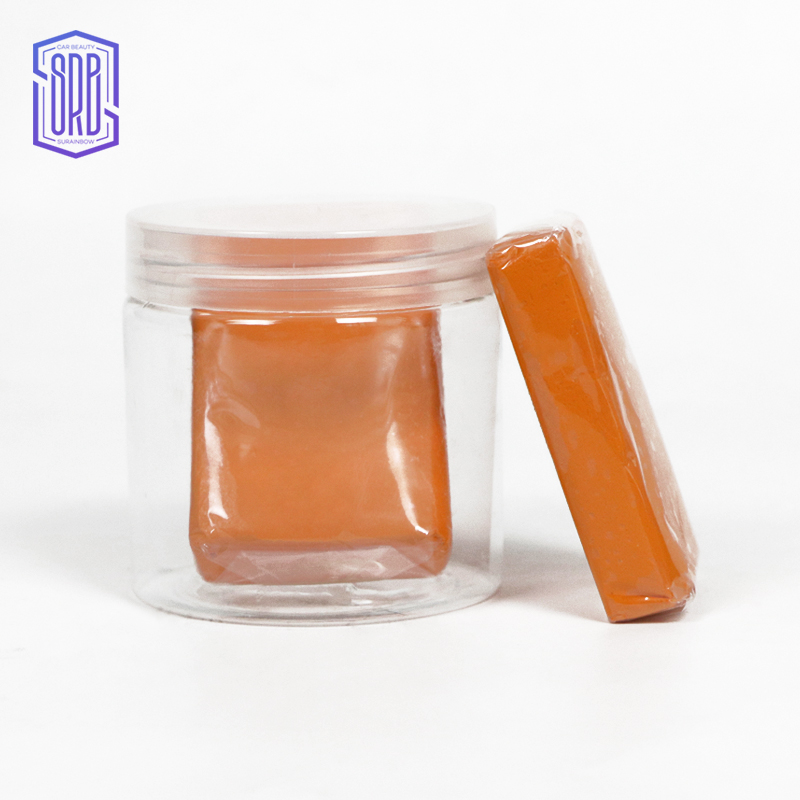
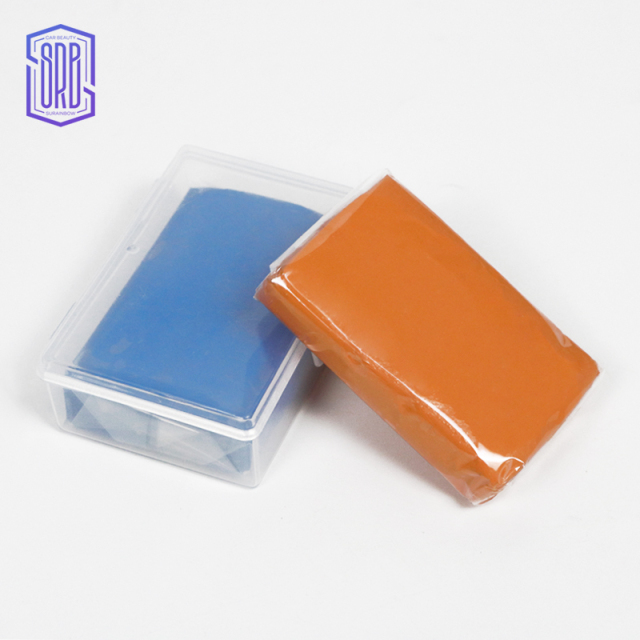
One orange bar, not a graded series of fine, medium and heavy cuts. T-506 is a general-purpose preparation bar: it pulls bonded contamination — traffic film, industrial fallout, overspray dust — into the clay rather than abrading the clear coat, and the cutting on a detail is left to the polishing pad and compound that follow.
Where marks actually come from
A bar marks paint for reasons that sit in the technique, not in the clay: a panel that has dried out mid-section, heavy hand pressure, a stiff cold bar that skates and then grabs, or a piece of grit picked up from the floor or from a panel that was not washed first. Keep the surface wet, keep the pressure light, and fold the clay the moment the working face turns grey or gritty.
Fresh paint and panel edges
On repainted panels, single-stage paint and the sharp edges around bonnet lines, door shuts and spoilers, work flatter and lighter than feels necessary. A 30 cm square on a lower door or rear quarter is enough to judge how the bar behaves on an unfamiliar paint system before you take it across a whole vehicle.
Cold workshops
In an unheated bay the block goes firm and skates over the lubricant. Kneading it in the hands, or standing the sealed bar in warm water for a few minutes, brings it back to a pliable disc that stays in contact with the panel.
If a vehicle is carrying something unusual — fresh overspray, fallout from a specific industrial site, adhesive residue — tell us what the paint is holding and we will say whether this bar is the right starting point or whether the surface needs a chemical step first. Settling that before a car detailing chemicals wholesale order goes in is cheaper than discovering it on a customer's bonnet.
We are Guangzhou Liangdian Automotive Supplies Co., Ltd., an integrated manufacturing and trading company founded in Guangzhou in 2010. With 50 employees, we supply a broad range of car care products to distributors, wholesalers and brand owners. Our range lets you source across categories through one supplier, with in-stock options and fast shipping. Alongside our SURAINBOW brand, we offer OEM/ODM customization, supported by a professional R&D team that can design and develop products around your requirements.