Dark-Paint Finish
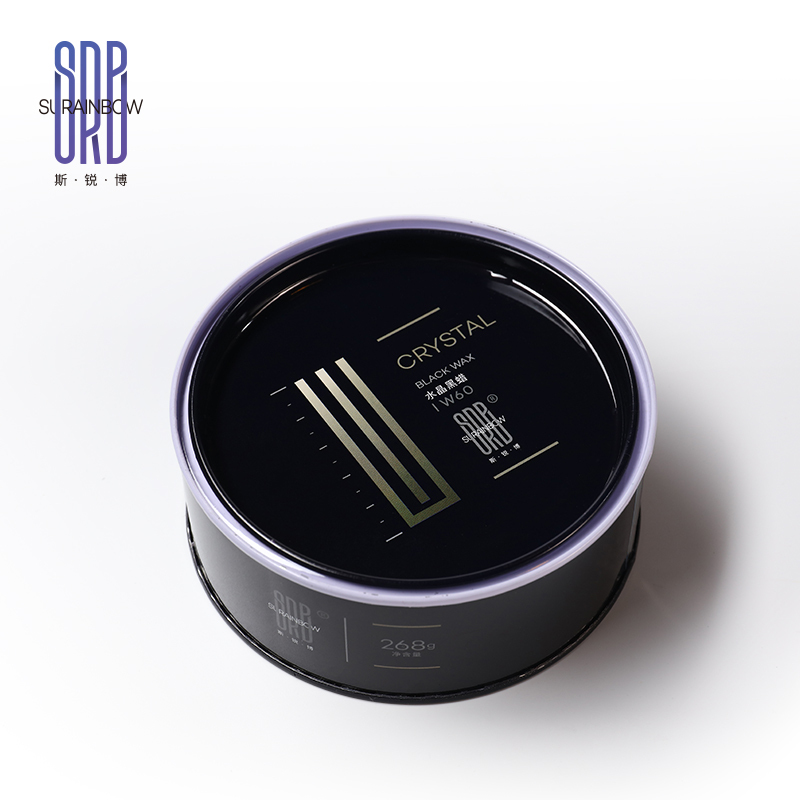
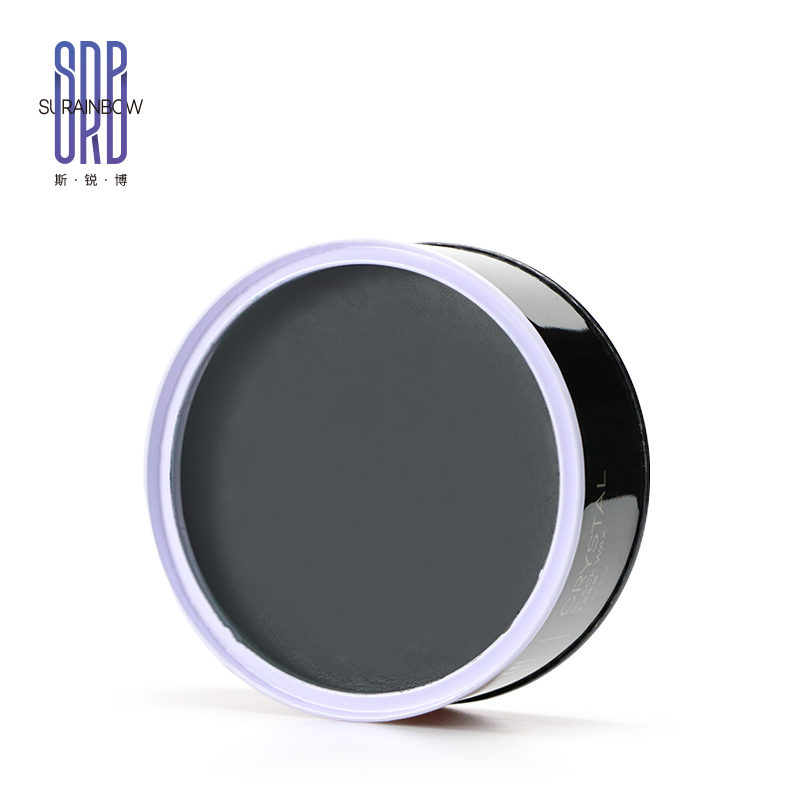
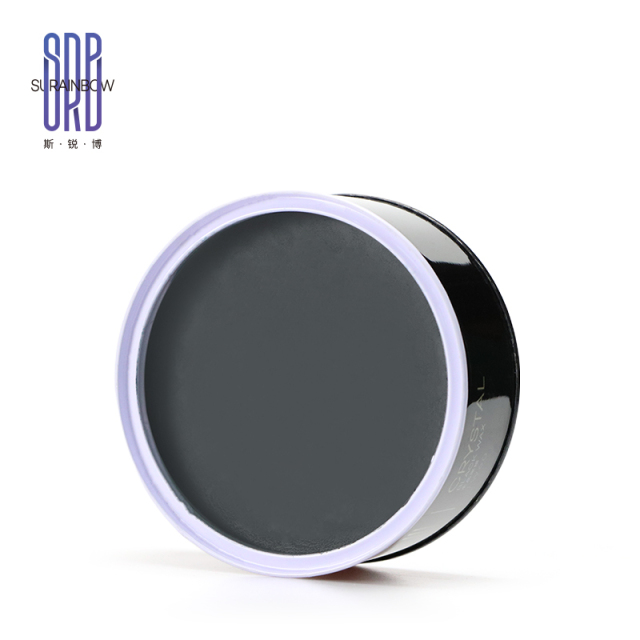
SURAINBOW W60 is a black car wax made with carnauba and black pigment for dark automotive paint. Its paste format suits hands-on finishing work where the appearance of the painted panel is the focus.
The formula fills light markings to make them less noticeable. This is cosmetic enhancement: filling a mark does not mean leveling the surrounding paint or removing the defect beneath it.
Color deepening gives dark paint a richer appearance. The result depends on the condition of the underlying finish, so existing oxidation, uneven repairs or deeper damage still need their own treatment.
A hydrophobic gloss adds a water-repellent finish. In everyday terms, water is encouraged to gather into droplets rather than spread evenly across the treated surface.
This car wax polish belongs in the finishing stage of a detail. It is not a substitute for an abrasive correction process when the job calls for actual defect removal.
For workshops using car polish and wax together, keep the purpose of each stage clear: complete any required correction first, then apply the finishing product according to its instructions. This paste offers a distinct dark-paint treatment without relying on spray application or coating-hardness claims.
Surface Compatibility
- Check the paint system as well as the color. Before using this car care wax across a vehicle, establish compatibility with the actual clear coat, single-stage paint or repaired area involved.
- Treat satin and matte finishes separately. A gloss-enhancing treatment can change their intended appearance; use only a product specifically approved for that finish.
- Keep application of the car wax polish confined to the intended painted surface. Textured plastic, rubber seals, porous trim and glass require their own compatibility guidance rather than an assumption that an exterior treatment suits every material.
- Do not assume this car wax is suitable for wraps or paint-protection film. These surfaces can have manufacturer-specific care requirements, so obtain approval for the exact film before application.
- Follow the refinisher's instructions before using car polish and wax on newly painted panels. A finish that feels dry may still have restrictions on waxing or other treatments.
- Do not extend a recommendation for wax for car paint to marine, aircraft or other specialist finishes. Confirm the substrate and its care requirements independently.
Application & Wipe-Off
- Read the product instructions from the car wax manufacturer before starting. Confirm the recommended amount, whether the paste is used as supplied, and any dilution instruction; do not add water or another liquid without explicit guidance.
- Wash away loose dirt and dry the painted surface. Residual grit can be dragged across the panel during application, while trapped water can make spreading uneven.
- Work out of direct sunlight on a cool panel. Allow panels heated by driving or sun exposure to cool before applying the car wax polish, and follow any additional temperature guidance on the label.
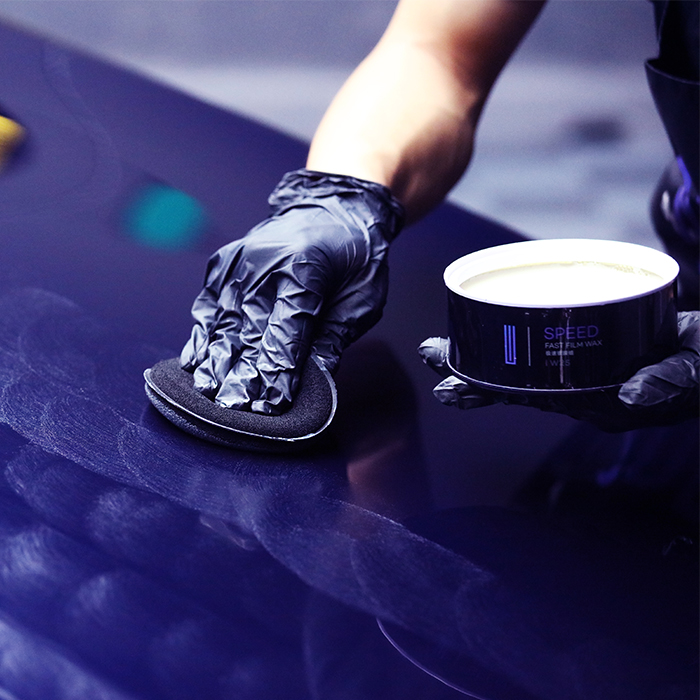
- Use a clean foam applicator to spread the car care wax evenly over a manageable area. Follow the stated loading guidance rather than assuming that a heavier coat will improve the finish.
- Follow the specified waiting and removal instructions. Do not set a fixed haze, cure or recoat time by analogy with a different paste or coating.
- Wipe away the residue with a clean, soft microfiber towel. The formula wipes off clean; turn the towel as it loads and check panel edges, badges and creases for remaining residue before finishing the job.
Sample Testing & Traceability
When testing an agreed sample, use a representative panel rather than relying on the appearance of the paste in its container. For black car wax, keep a nearby untreated area available for a direct comparison under the same lighting.
Record the preparation method, applicator, amount used, working conditions and removal method. These details help another technician repeat the trial and make differences between applications easier to understand.
Agree the test method with your car wax manufacturer before comparing results. Assess the panel under consistent lighting and from more than one viewing angle, especially where localized marks or repaired areas affect the appearance.
For a fuller understanding of the formula, request the ingredient declaration and safety data sheet. Confirm any ingredient restrictions relevant to your use, together with handling precautions, protective equipment and disposal instructions; do not assume solvent, silicone or abrasive content from the product name.
An approved sample can become the bulk acceptance reference when both sides agree the written specification, test criteria and permitted tolerances. Identify that reference clearly so later batches are compared with the same approved material rather than a photograph alone.
For recurring use of this car care wax, agree which batch identifiers, inspection records and retained-sample arrangements are needed. The available record set should be confirmed for the order rather than assumed to accompany every purchase.
If a technical concern develops, record the batch number, affected quantity, application conditions and the observed result. Clear photographs or video, together with the order or sample reference, help us review the concern against the agreed specification.
Packaging Design & Proofs
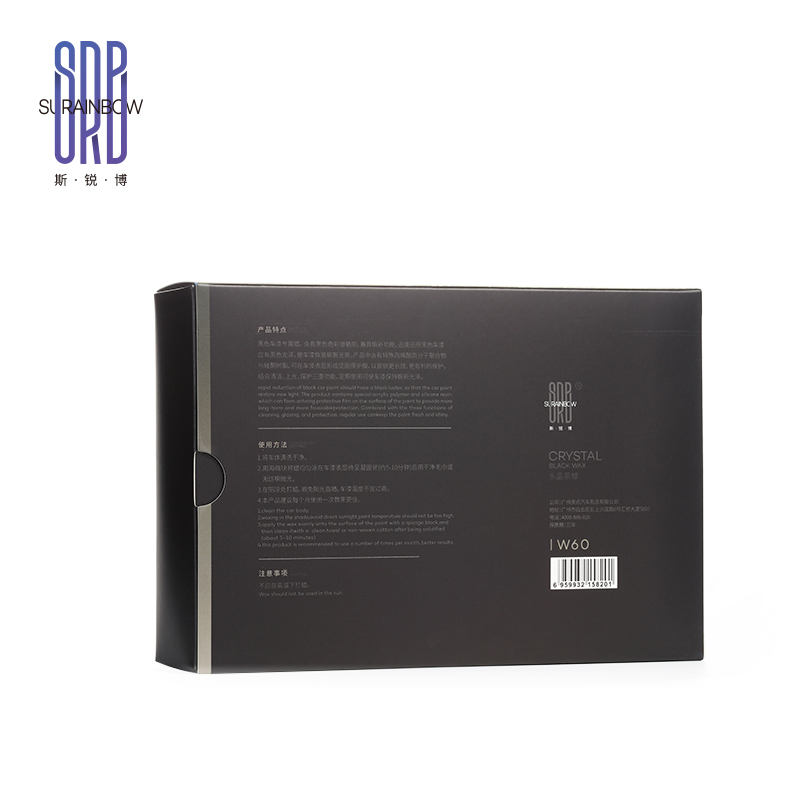
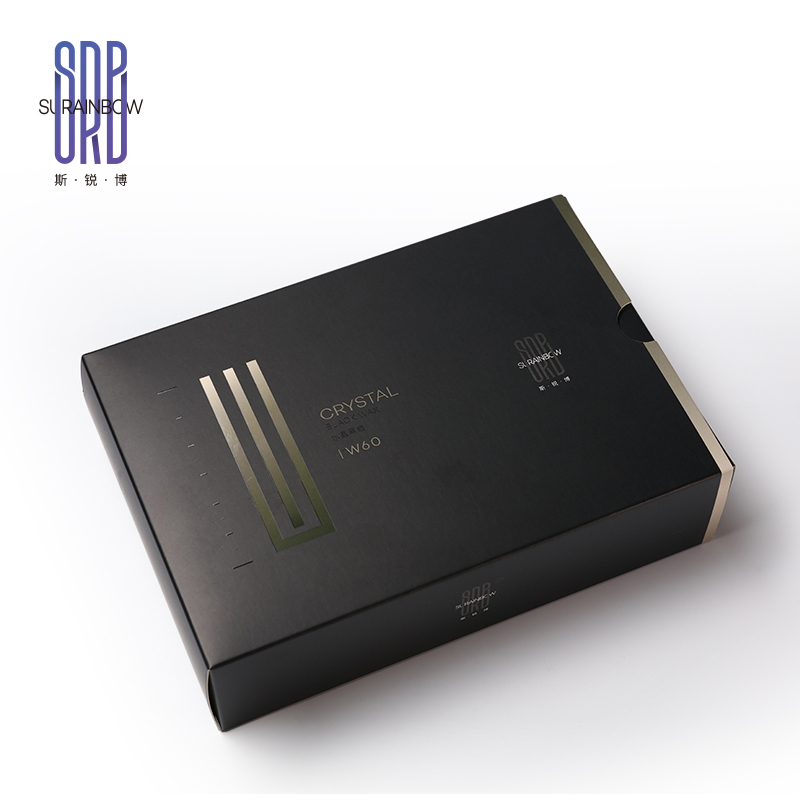
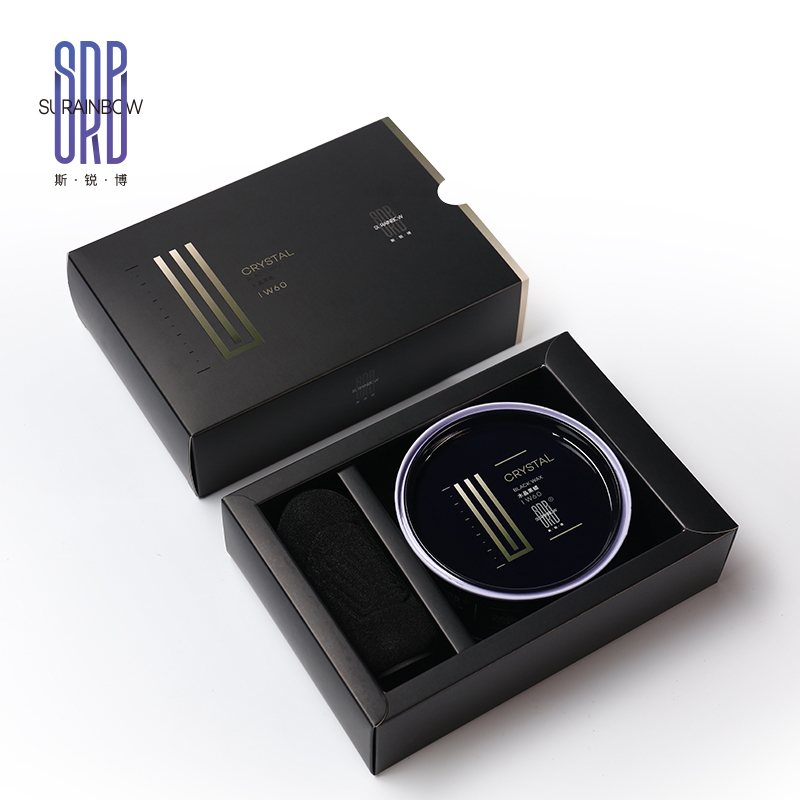
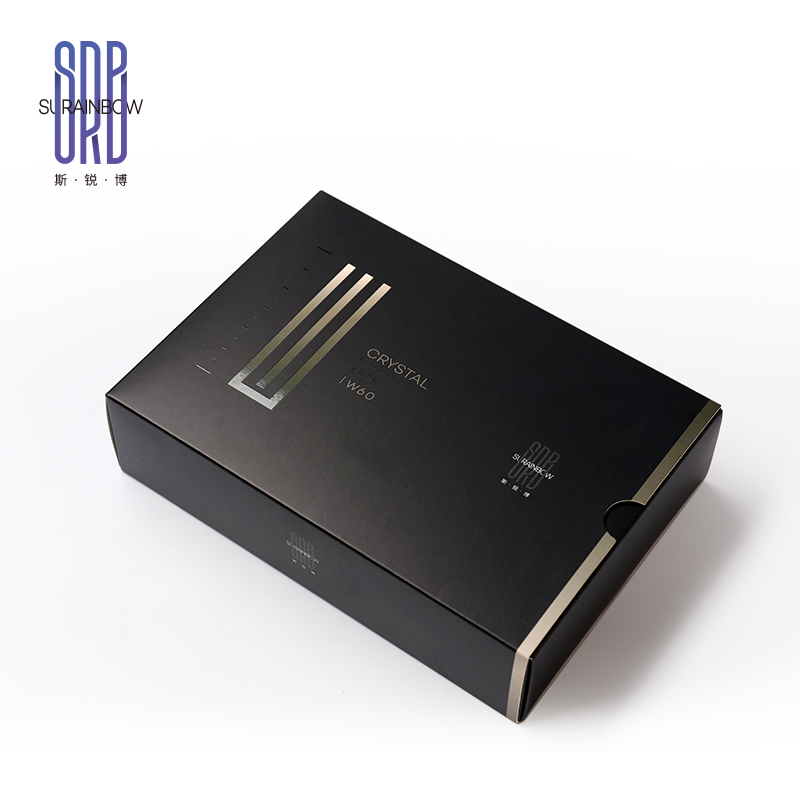
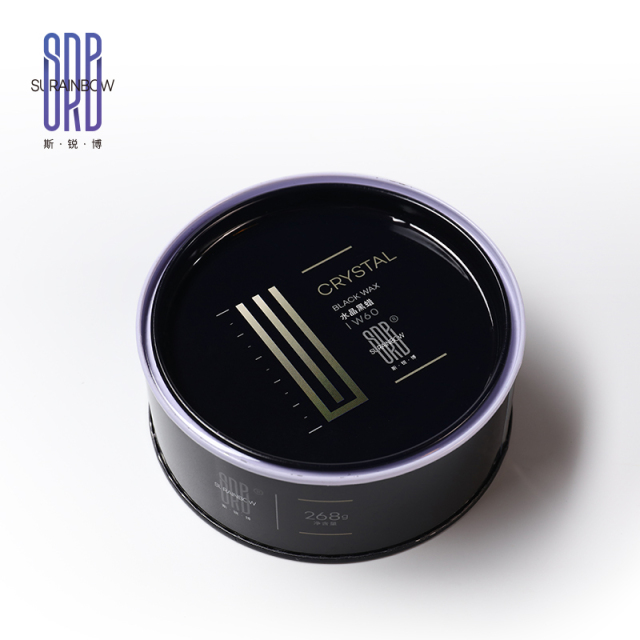
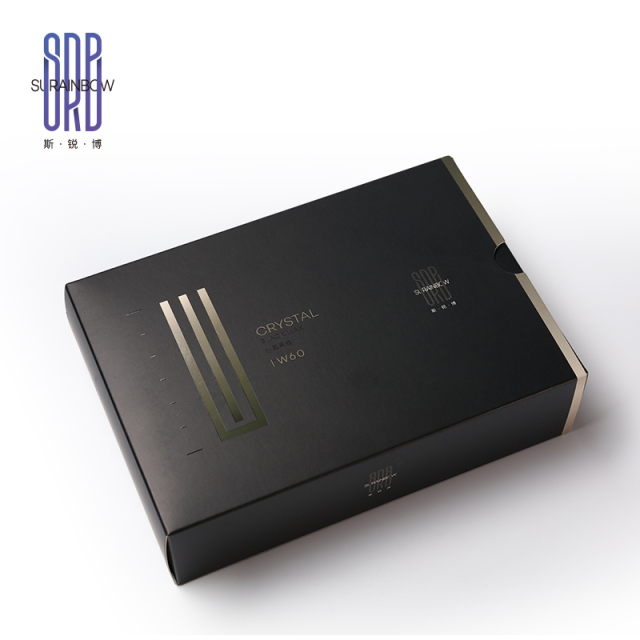
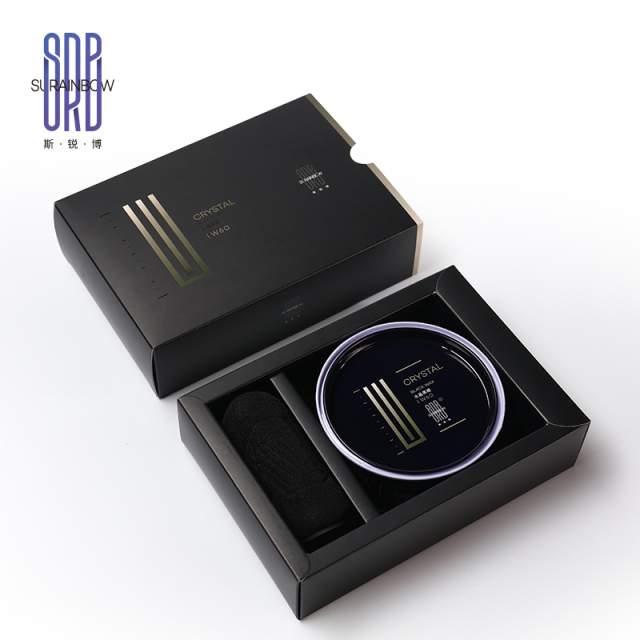
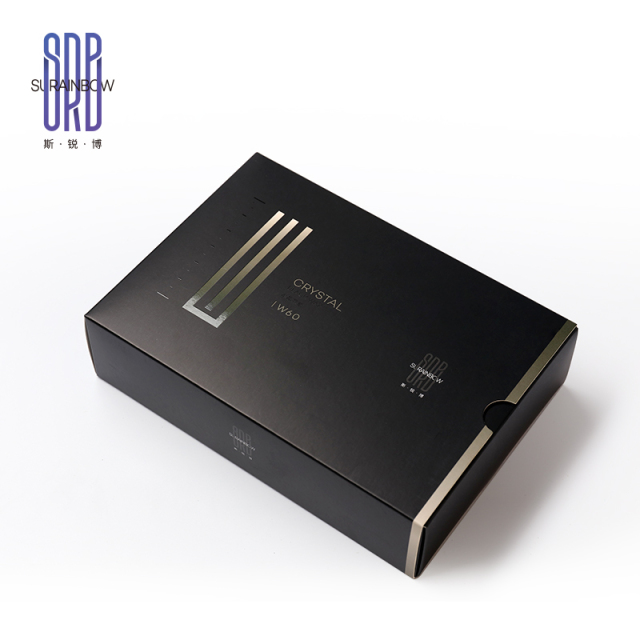
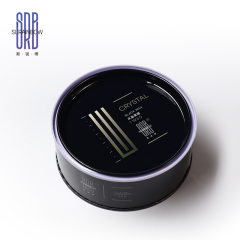
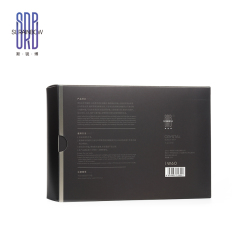
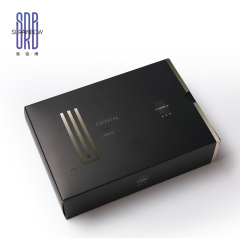
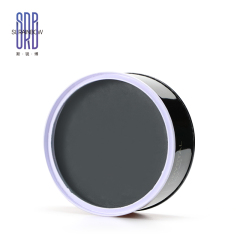
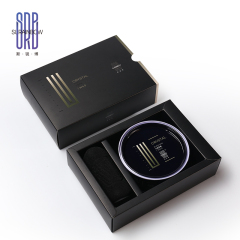
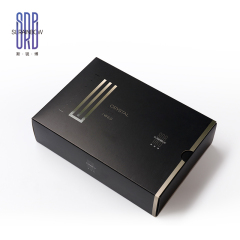
- The illustrated presentation uses a black tin with gold printing and a SURAINBOW Crystal Black Wax outer box. It also shows a foam applicator; the exact supplied configuration is confirmed with the order.
- For car wax wholesale orders with agreed branded artwork, provide the authorized logo files and approved product wording. Keep ownership or trademark authorization records available where required.
- Match the product name, instructions and caution statements across the container and outer artwork. Decorative wording should not introduce performance claims that have not been approved for the formula.
- Check label language and readability at the finished print size. Application directions and safety information need to remain legible after the artwork is fitted to the chosen surface.
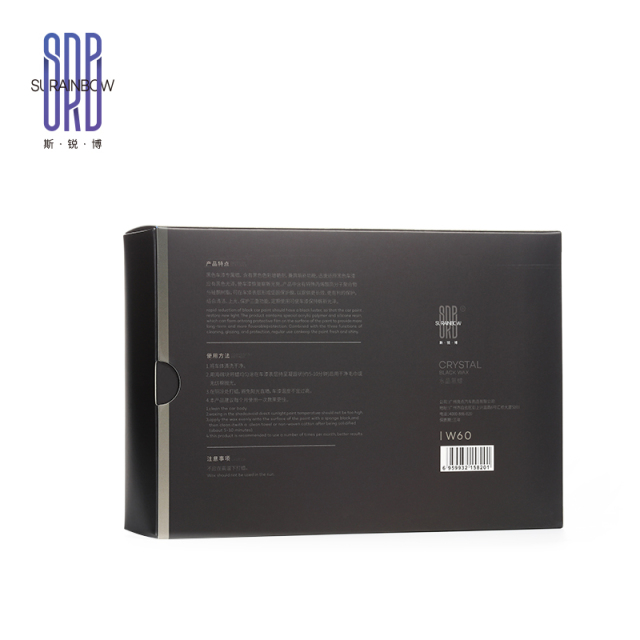
- Verify barcode data before approving the proof. Leave sufficient clear space around the code and check that its printed location remains accessible for scanning.
- Approve the complete proof version, including color, text placement and the intended location of batch identification. Where a physical proof is agreed, review closure fit, print durability and the way the components fit together before authorizing the final version.
Ordering & Delivery
- Send your car wax wholesale inquiry with the intended use, destination market, expected quantity and required presentation. Confirm the applicable MOQ, unit net content, included accessories, carton configuration and whether the request is for SURAINBOW stock or a proposed private-label version.
- Ask about sample availability and agree the sample scope, any applicable charges and courier arrangements before dispatch. Product-specific formula changes or private-label requirements need feasibility review before a development route is agreed.
- Confirm the complete quotation, including product and packing costs, currency, payment method, payment schedule and agreed Incoterm. Any special artwork, components, testing or documentation requirements should be included in the same order scope.
- Across our range: In stock and fast shipping. Confirm availability for this product, the requested quantity and the current dispatch schedule with your sales contact; a stock order and a newly developed presentation may follow different schedules.
- Agree the transport plan for the destination and the product's shipping classification. Confirm which target-market compliance records and export documents can be provided, including the applicable label information, commercial invoice, packing list and customs documents. Local registration or approval requirements remain subject to the destination market.
- Before shipment, confirm the inspection arrangement, balance payment status, consignee details and carton marks. Agree when and how the finalized documents will be handed over alongside dispatch confirmation.
- Report packaging, leakage or shortage issues within 7 days of receipt, and product-quality concerns within 30 days. Keep the affected goods and identifying details available while the issue is reviewed; any resolution follows the agreed order terms.
- Contact Amy at amy@surainbow.com or +86 13922243235 by phone, WeChat or WhatsApp to confirm the order details.
Scale & Supply Capability
We are Guangzhou Liangdian Automotive Supplies Co., Ltd., an integrated manufacturing and trading company founded in Guangzhou in 2010. With 50 employees, we supply a broad range of car care products to distributors, wholesalers and brand owners. Our range lets you source across categories through one supplier, with in-stock options and fast shipping. Alongside our SURAINBOW brand, we offer OEM/ODM customization, supported by a professional R&D team that can design and develop products around your requirements.
FAQ
Can I use the same pad for car polish and wax?
Use a dedicated pad for each product. Polishing residue left in an applicator can mix with the wax and make spreading less consistent, even when the pad looks usable at a glance.
Mark your applicators by task so you can identify them during a detail. In a busy workshop, separate storage containers for polishing pads and wax applicators help prevent accidental swaps between technicians.
Turning a used pad over is not a reliable way to separate products, because residue can migrate through the pad or transfer from your hands. Keep the applicator used to collect paste from the container dedicated to that wax as well, so leftover polish does not enter the container.
If you want to reassign a washable pad, follow its maker’s cleaning instructions and let it dry completely before assessing it for reuse. If residue remains or you are unsure what was previously used on it, choose a fresh applicator. Replace pads with crumbling foam, hardened deposits or damaged edges.
Does water beading prove scratch resistance or a fixed protection life?
No. Water beading alone does not prove scratch resistance or establish how long protection will last. It is an observation you can make during maintenance, not a durability rating.
Do not deliberately rub or scratch a treated panel to test protection. Contact with abrasive objects can still damage the finish, and a water test cannot tell you how the surface will respond to that contact.
Consider what was used during the most recent wash. A shampoo containing gloss enhancers or a drying aid may influence the water response, making it difficult to judge the wax on its own.
If water behavior changes, check for surface contamination before deciding that another application is needed. Compare results under similar washing and rinsing conditions; an isolated observation can be misleading.
For workshop evaluations, record the application date, wash products, washing frequency, outdoor exposure and vehicle use. Those records help you understand maintenance needs in actual service. When advising customers, base reapplication guidance on the product instructions and the vehicle’s condition rather than promising a fixed interval from beading alone.