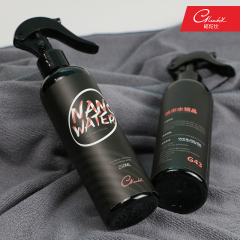
Importers and regional distributors. They are building a protection tier for their territory and usually start by comparing ceramic coating suppliers on batch consistency, paperwork and reorder reliability before they discuss price. A product that arrives with a safety data sheet, a stable formula and a carton count that matches the invoice is far easier to put in front of their own customers.
Detailing studios and installation bays. A workshop applying a professional ceramic coating every week cares about working time, flash behaviour and how the film buffs out under bay lighting. Those are the three things to judge on the test panel before a carton is opened.
Buyers replacing a supplier. If separation, leaking bottles or drift between batches has caused complaints before, the sample-and-seal routine is the fastest way to check whether the 9H ceramic coating behaves the same way twice.
Product Overview
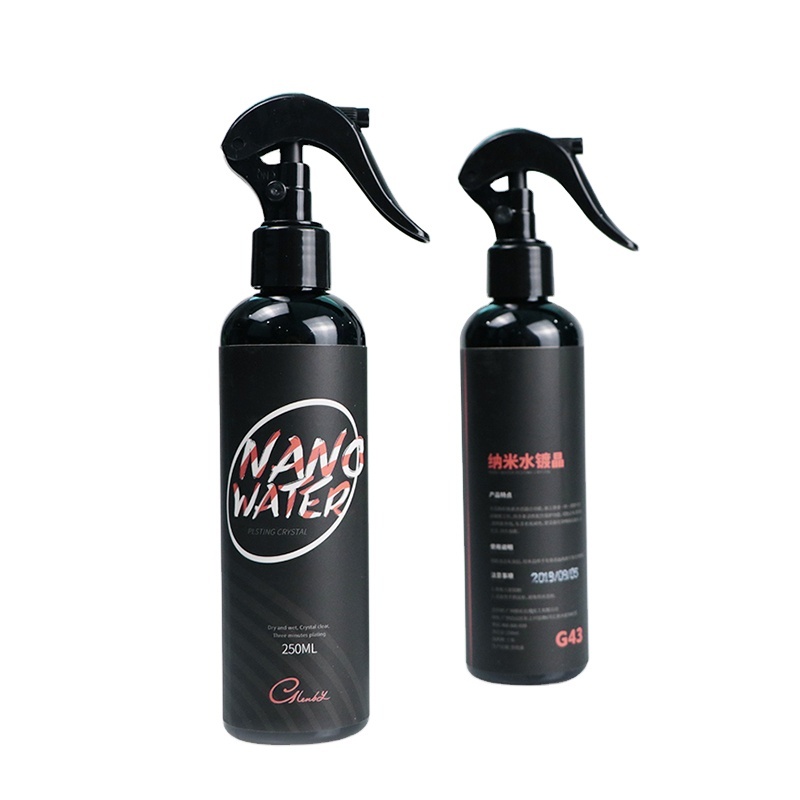
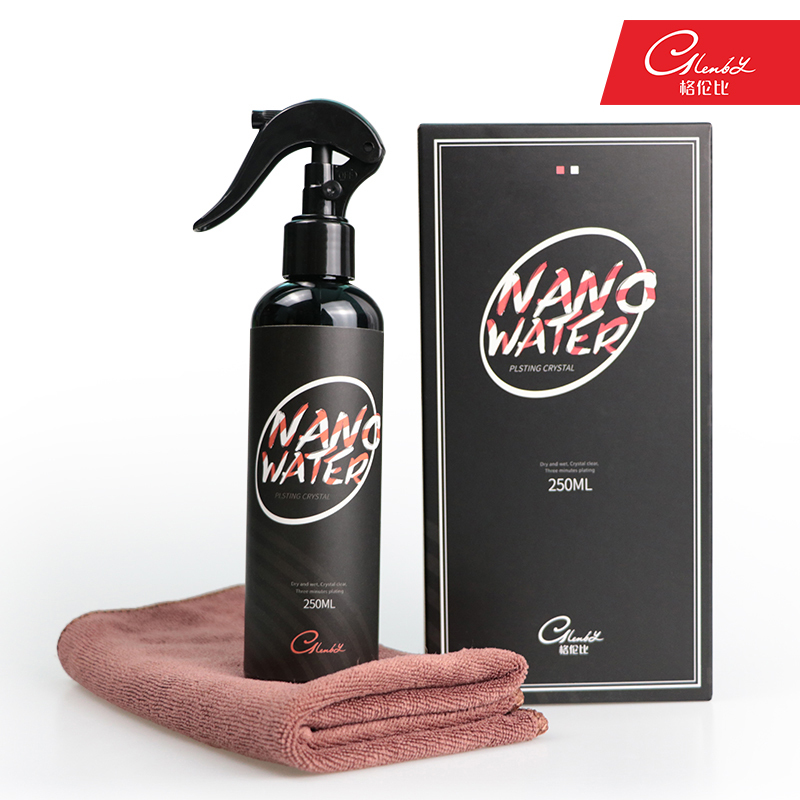
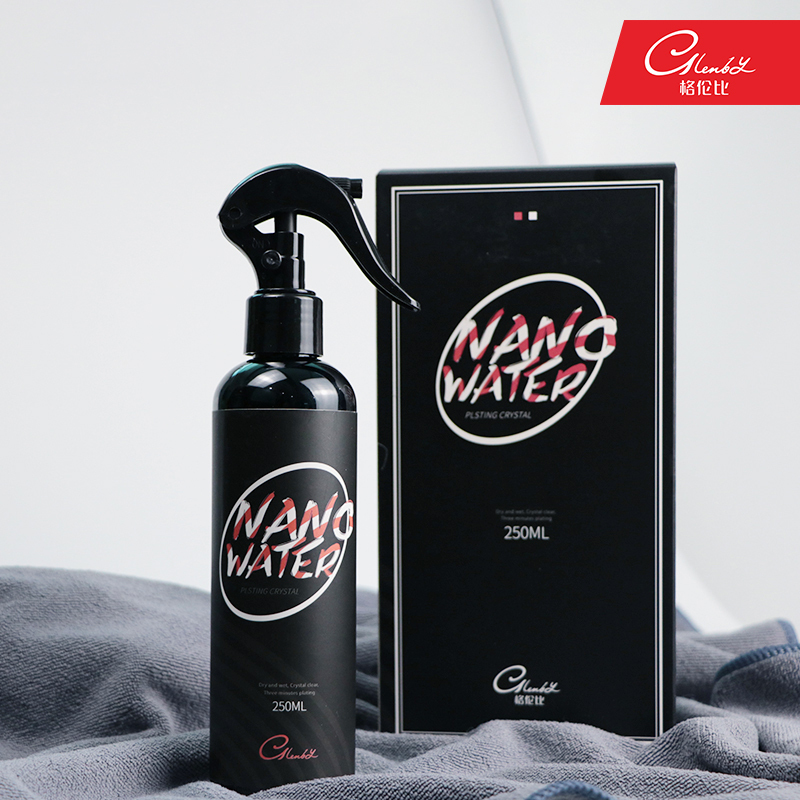
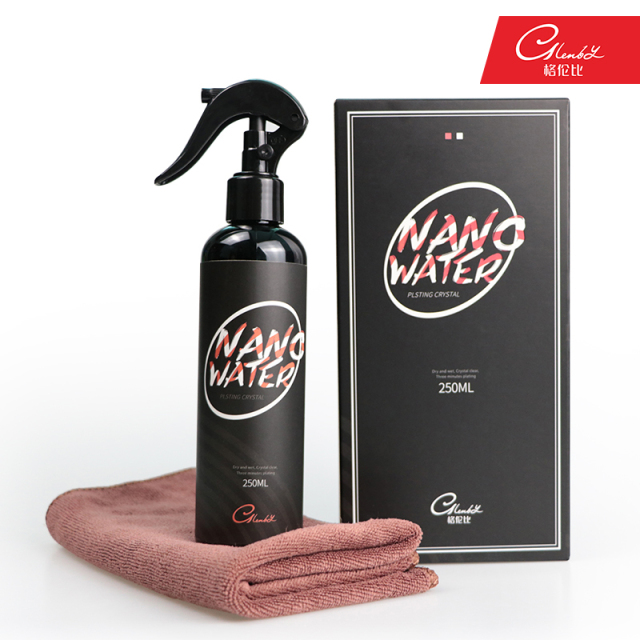
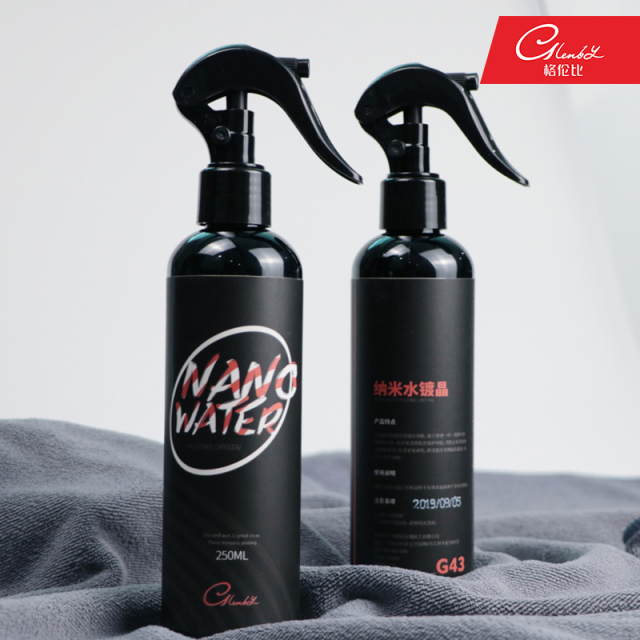
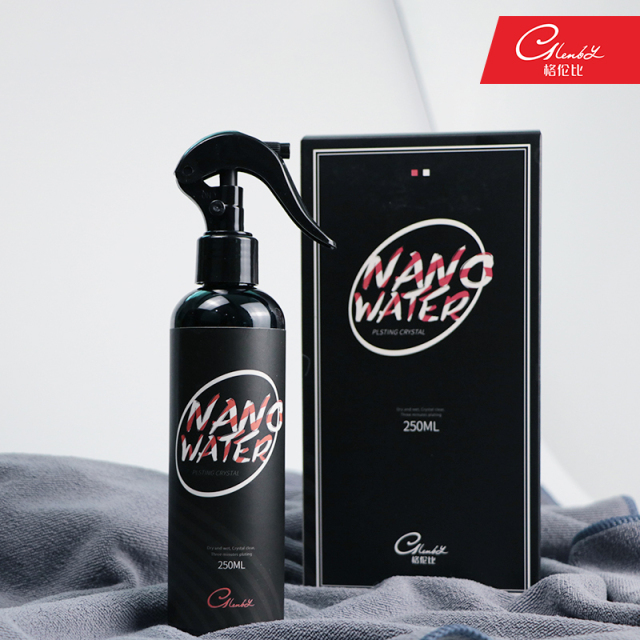
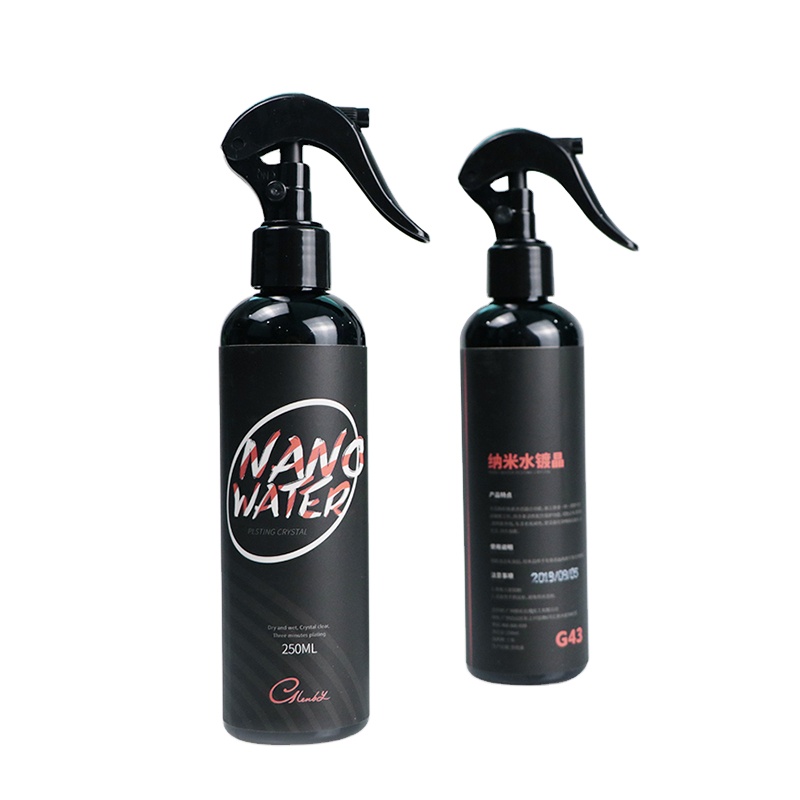
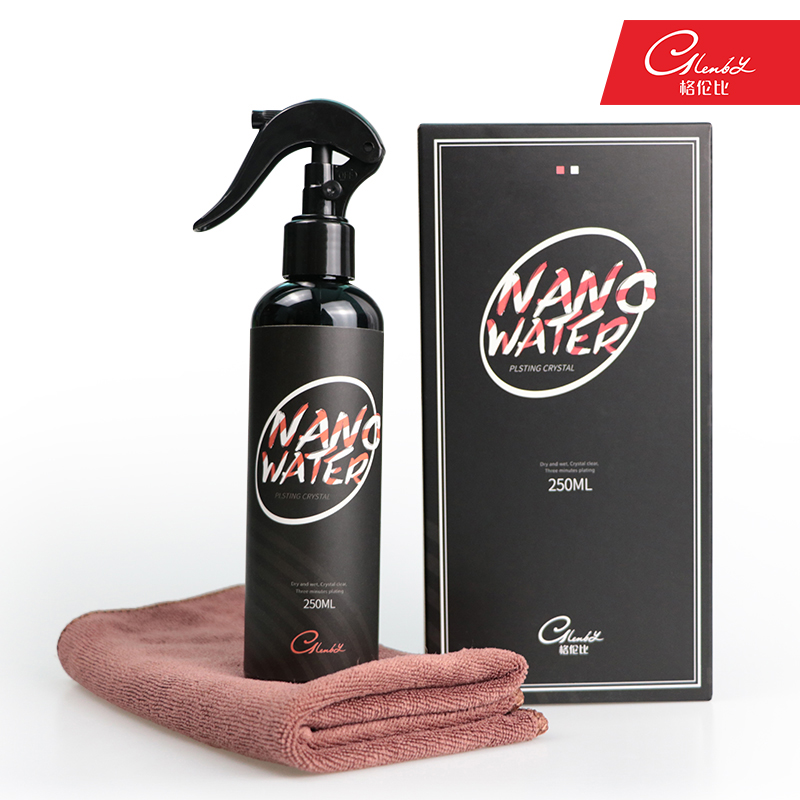
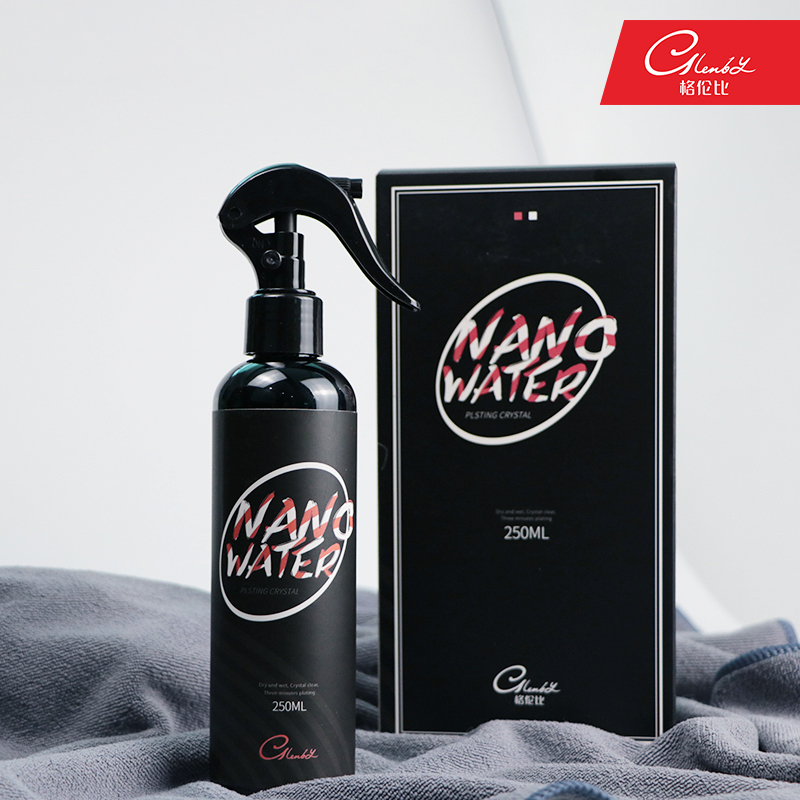
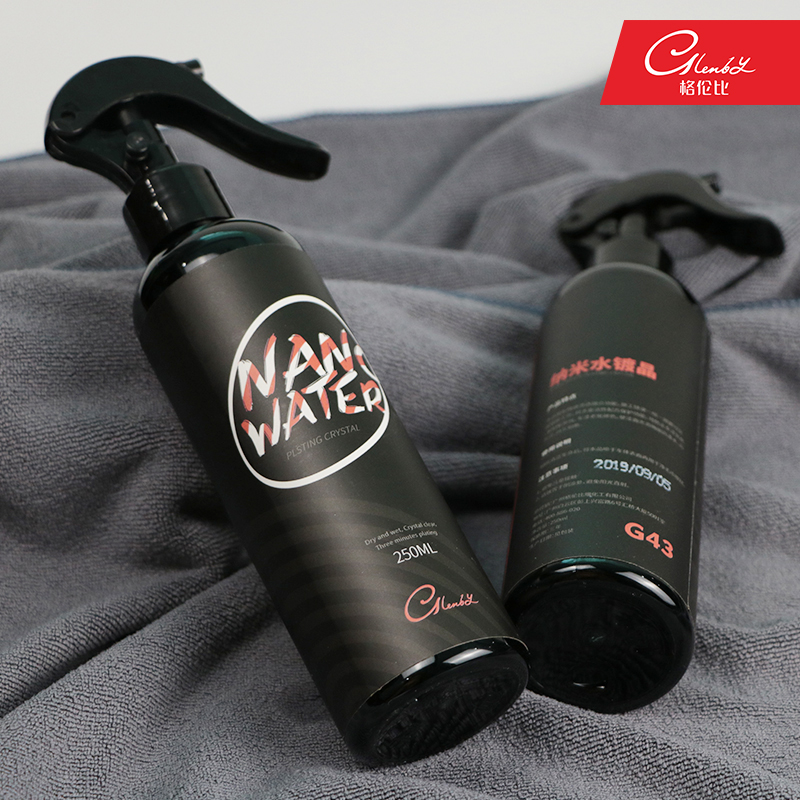
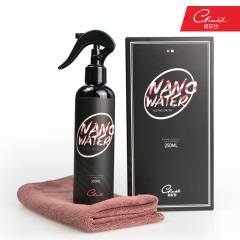
The bottle is labelled Nano Water Plating Crystal, and the name describes the format: the product is misted onto the panel, levelled by hand and buffed to a glassy layer. It sits between a spray sealant and a full multi-layer coating system, giving a detailer more protection than a wax top-up without the machine work of a deep coating job. For a trade buyer it is the quickest way to place the product in a protection tier, and for a detailer it explains the slick, glassy feel of a coated panel after the final buff. Application is aimed at painted car panels — bonnet, roof, doors, wings and boot lid. Because the product goes on by hand from a trigger bottle, ceramic coating for cars can be handled by one technician working panel by panel, without waiting for a polisher to come free. Cartons hold twelve bottles, which suits a professional ceramic coating buyer who reorders on a schedule rather than a shopper picking up a single unit. It also keeps the coating in the same protection tier as the waxes, shampoos and pads a distributor already stocks, so one protection story covers the whole shelf.
Key Features
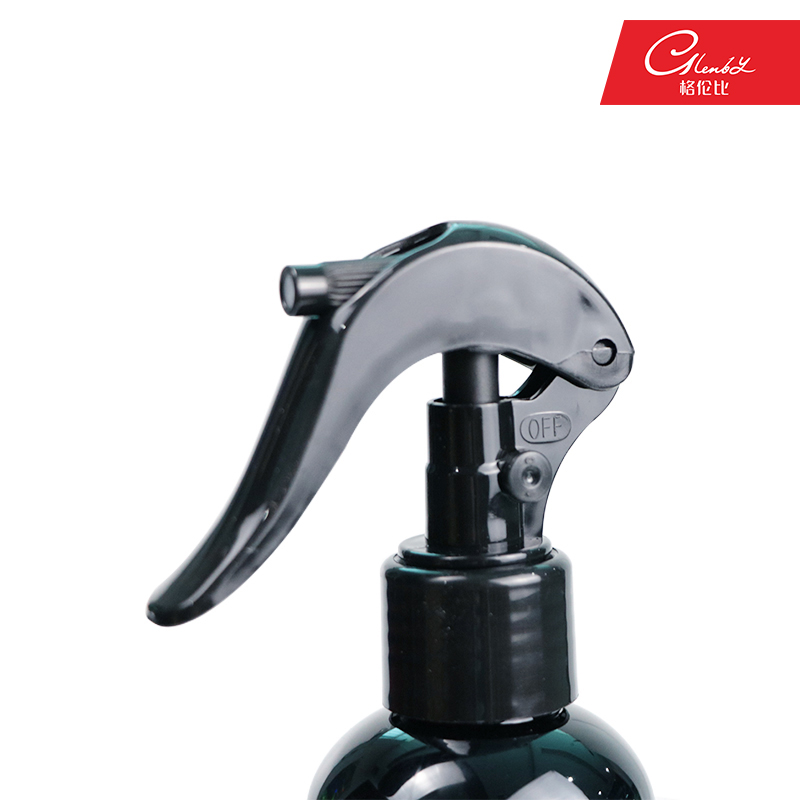
Trigger-spray control.
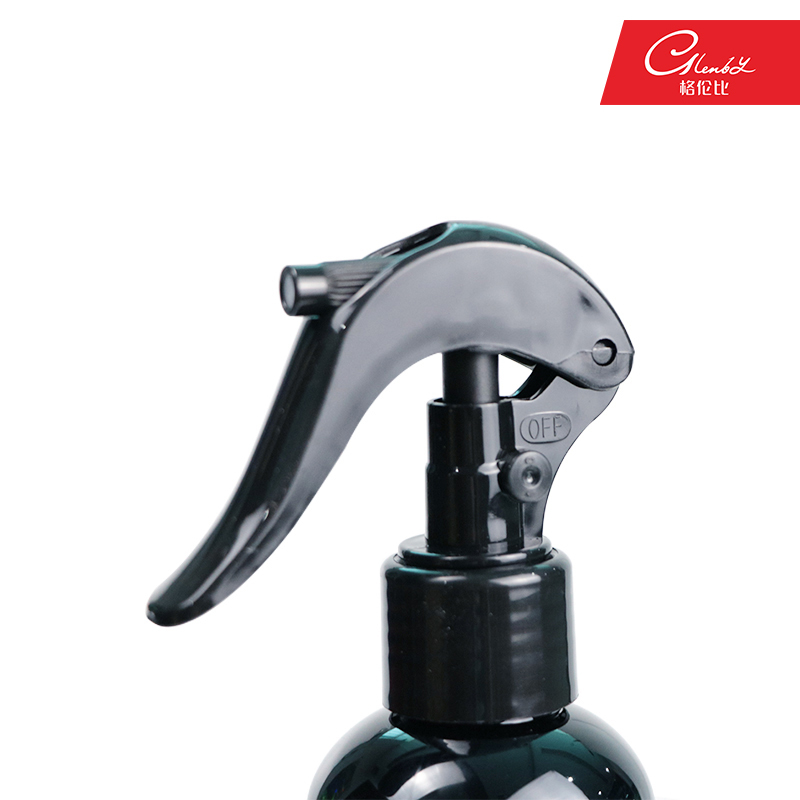
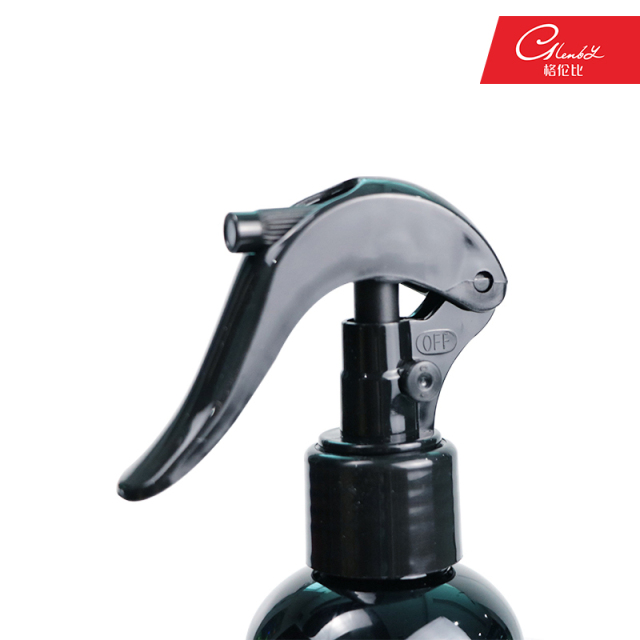
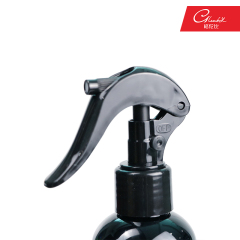
Because it is a professional ceramic coating in spray form rather than a dropper or a wipe-on pad, you set the volume with trigger pressure and distance, which makes it easier to keep the layer thin on a vertical panel or a curved wing.
Built for painted metal and plastic panels.
The product is specified for car paint, which covers the clear-coated surfaces on ceramic coating for cars that come through a prep bay after washing and decontamination.
Super hydrophobic behaviour.
Water beads and rolls off the finished surface instead of sheeting flat — the first of the ceramic coating benefits an owner notices, since the car dries with fewer towel passes and road film releases at the next wash.
Shelf-ready presentation.
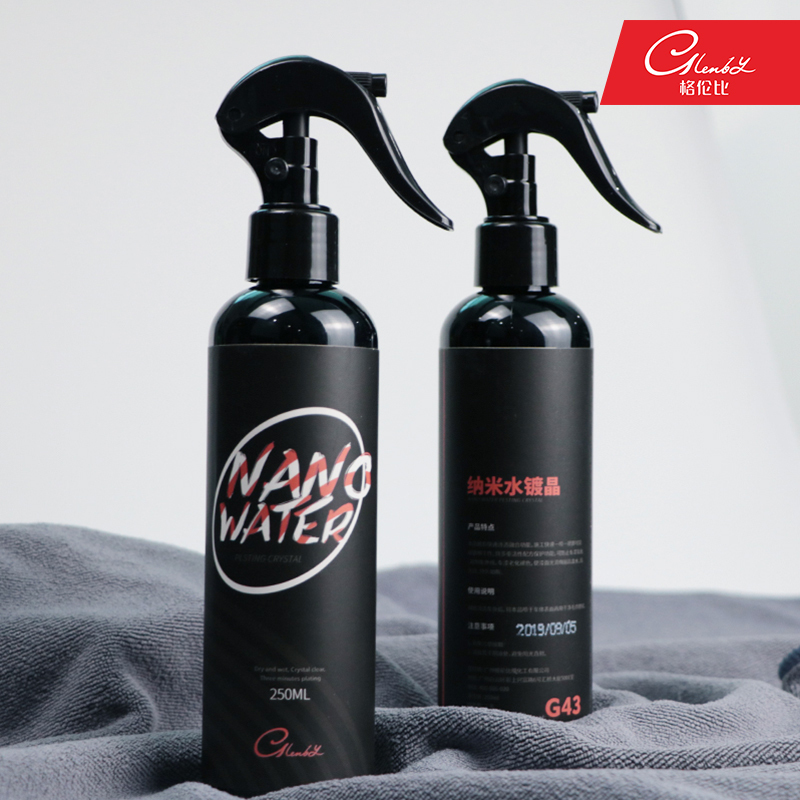
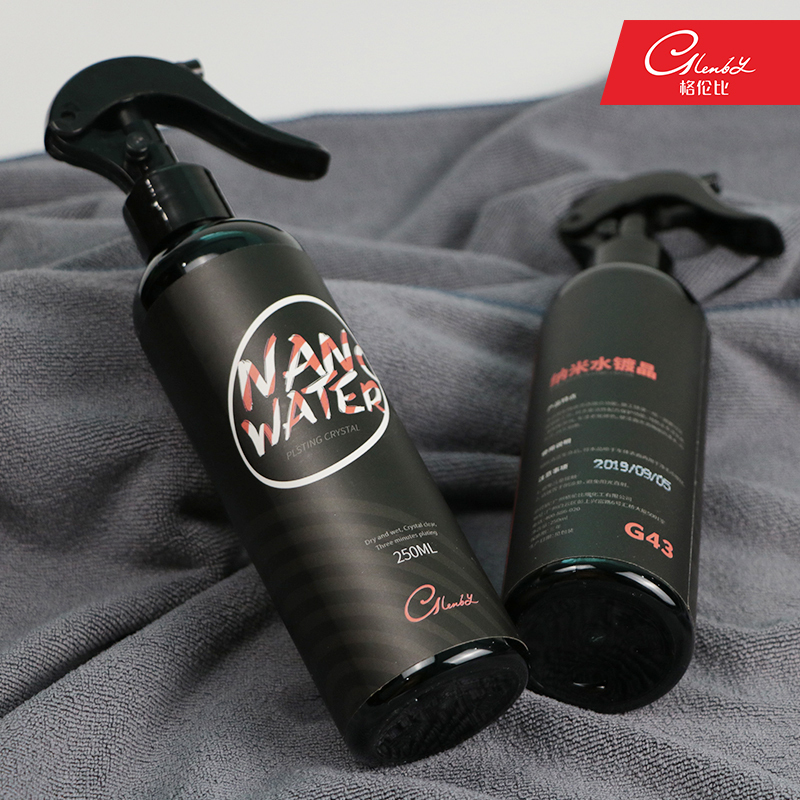
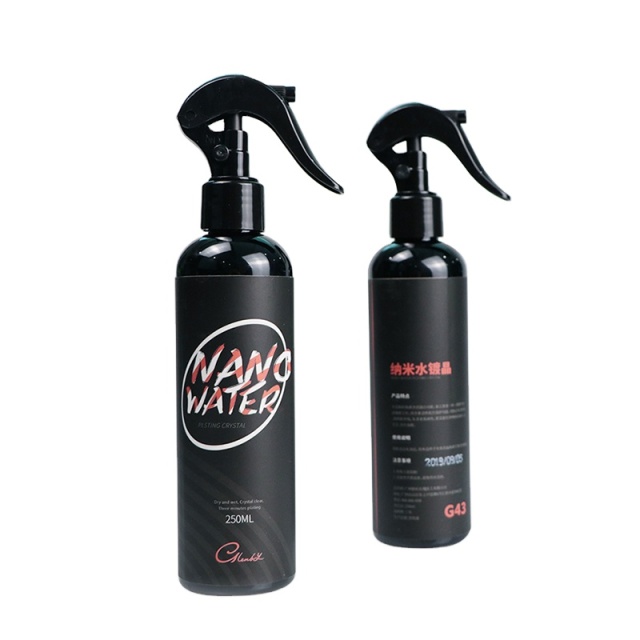
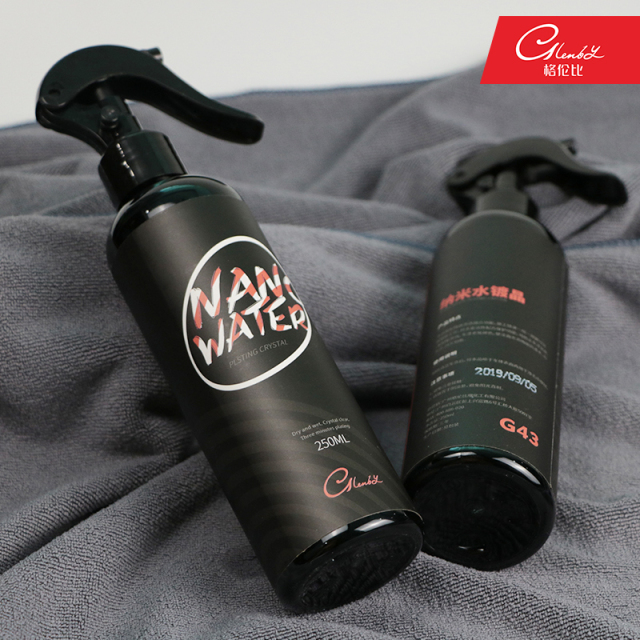
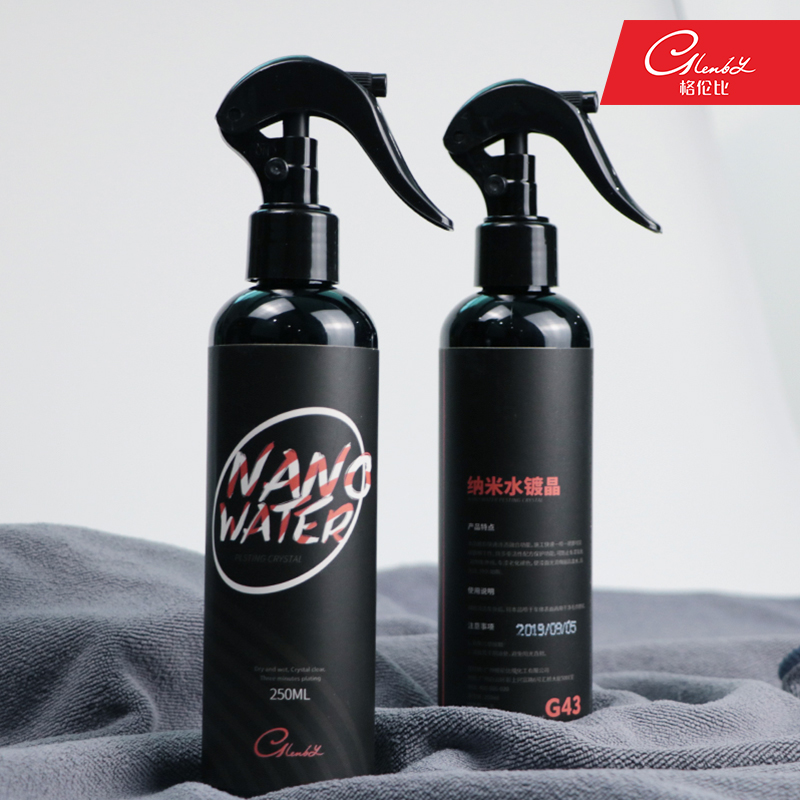
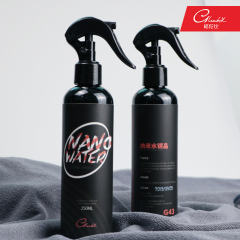
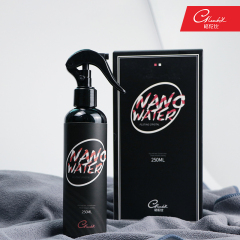
The bottle carries a full front-and-back label design and is packed in its own printed carton, so a distributor can put it on a shelf or into a kit as it arrives.
Application Steps
Wash and dry.
Give the car a full two-bucket wash, rinse the panels down and dry them with a plush towel so no water spots are trapped under the film.
Decontaminate.
Lift bonded fallout with a clay bar and, where the paint needs it, an iron remover, then rinse again.
Coating over contamination locks it in.
Correct the paint if the job calls for it.
Compounding and polishing happen before the coating, never after it.
Wipe down with a panel wipe.
A final wipe with an IPA-style preparation removes polishing oils so the nano ceramic coating bonds to clean, bare paint.
Lay it thin.
Mist the 9H ceramic coating onto the panel or onto the applicator, spread it in straight overlapping passes, and keep the layer thin enough to flash evenly.
Flash and buff.
Let the film haze over, then buff it back with a clean plush microfiber, turning the towel to a dry face for the final pass.
Clear the edges.
Buff residue out of panel gaps, badges and trim edges before it sets, because dried residue there is far harder to lift than on a flat panel.
Typical Uses
New-car prep before handover — the coating goes on after the car has been washed and decontaminated, so the paint leaves the prep bay with a gloss finish already in place.
Straight after paint correction — once the polishing dust is wiped off, a coated panel shows the ceramic coating benefits immediately: deeper gloss, sharper reflections and a surface that feels slick under a towel.
Used-car resale preparation — a coated car photographs better under forecourt lighting and rinses clean faster between viewings.
High-mileage fleet and rental cars — vehicles washed several times a week hold their shine longer when the 9H ceramic coating releases road film instead of holding it.
Multi-site detailing chains — teams that buy wholesale ceramic coating for several bays want the same bottle, the same instruction sheet and the same carton count from their ceramic coating suppliers at every site, so training carries across locations.
Instead of assembling paint protection from several ceramic coating suppliers, take the coating, the prep chemicals and the pads from one programme, so a single sample round confirms the whole kit.
Send the brief.
Tell us the model, the paint type you work on most, the destination market, your sales channel, the quantity you have in mind and any label or carton direction.
Agree the sample.
Confirm the sample size and courier arrangements with your sales contact before dispatch, and note what you will evaluate on the panel.
Test on a panel.
Apply to a prepared test panel using your normal prep routine, record the temperature, humidity and how long you left the film to flash, and photograph the result.
Seal the reference.
Once the gloss, slickness and beading are approved, seal the sample and write down the criteria, so bulk bottles can be checked against it later.
Proof the packaging.
Label artwork, language, barcode, carton marks and bottle fit are checked and signed off before the run starts.
Release bulk.
Production runs against the sealed sample and the approved packaging, and retained samples are kept so a later batch can be compared with what you accepted.
Ordering & Delivery
Order type
Wholesale ceramic coating, OEM or private label
Mixed orders
Coatings, wash chemicals and pads can be combined in one shipment
Stock status
In stock and fast shipping
Minimum order
Confirmed on the quotation
Label and artwork
Proofed and approved before production
Safety documentation
Safety data sheet prepared for the destination market
Batch records
Retained for traceability and after-sales review
Payment schedule
Deposit and balance confirmed in the quotation
Lead time
Confirmed per order and destination
Shipping
Sea, air, express or DDP, as agreed at quotation
After-sales window
7 days for packing or shortage issues, 30 days for quality concerns
Scale & Supply Capability
SURAINBOW is run by Guangzhou Liangdian Automotive Supplies Co., Ltd., a factory-trade operation set up in Guangzhou in 2010 and now 50 people strong. Sixteen years in car care have given us a one-stop supply position: our own SURAINBOW lines are held in stock for fast shipping, and an associate factory with modern production equipment and an established quality management system keeps replenishment moving. We take OEM and ODM work and our R&D team develops to your specification. Buyers in the Middle East, the United States, Southeast Asia, Europe, the UK, Russia, Africa and Australia already order from us.
FAQ
Does it suit all car paints and clear coats?
It is made for painted car panels, including the clear-coated finishes used on most modern cars. On a fresh refinish, a matte or satin finish, or a vinyl wrap, test a small hidden area first and check with us before coating the whole car — a test panel is standard practice with any ceramic coating for cars.
Can it go on a wet panel, or only on dry paint?
The bottle is labelled dry and wet, so it can be worked over a damp panel as well as dry paint. A dry, fully prepared panel gives the most control, because you can see the film build evenly and buff it back without chasing streaks. The ceramic coating spray delivers its highest performance when the surface is clean and cool and the car is out of direct sun.
How long should the car stay dry after application?
Keep the coated panels out of rain and direct sun while the film settles, and hold off washing for the first few days. Curing speed changes with temperature and humidity in your bay, so confirm the working window for your climate with your sales contact before you schedule the handover.
How do I keep the surface beading after it has cured?
Wash with a pH-neutral shampoo, use a soft mitt and dry with a plush microfiber. Keep abrasive compounds and strong alkaline degreasers off the coated panels. If a panel starts to lose its beading, a light reapplication over a clean, decontaminated surface brings it back — that durability of feel is one of the ceramic coating benefits owners notice most.
Can it be layered or topped up later?
Yes. A second coat can go on once the first has settled, and the surface can be refreshed months later after a wash and a panel wipe. Layering adds gloss and evens out thin areas, but it does not replace preparation, so clean and decontaminate the paint first.
What should I use to apply and buff it?
Use a folded microfiber applicator or a short-nap cloth to lay the product down, and a separate plush towel for the final buff. Keep the two apart — a cloth that has already been used for the initial spread carries too much product to finish a panel cleanly.