Product Overview
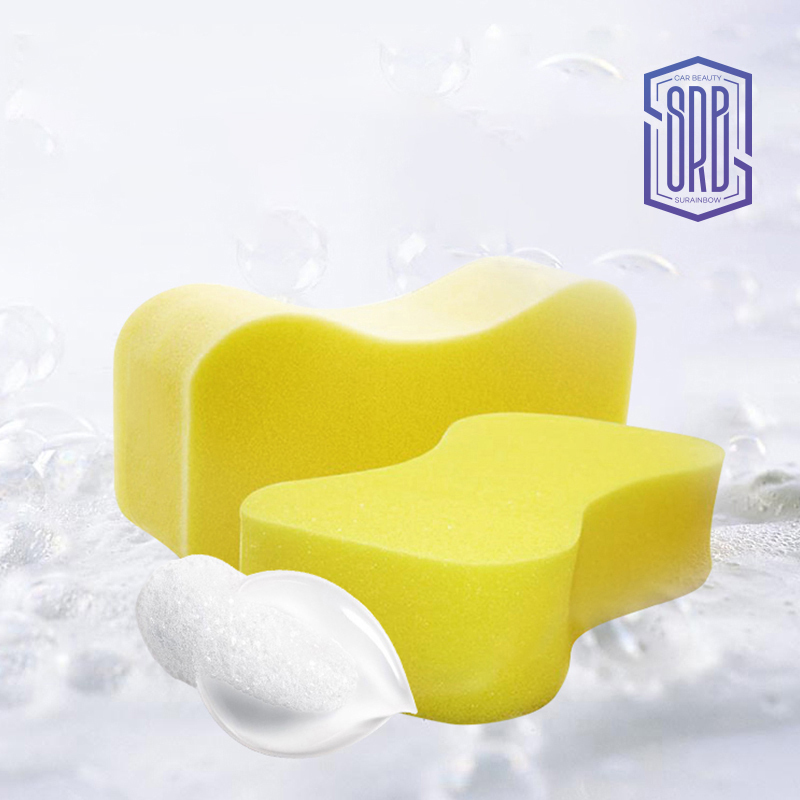
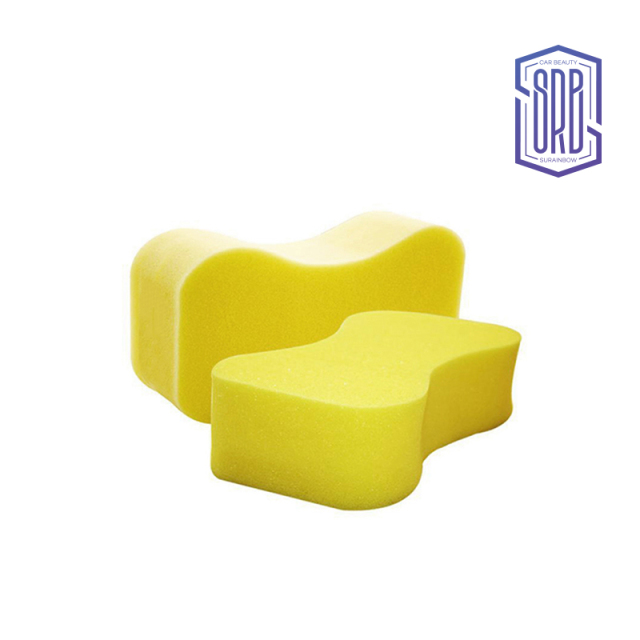
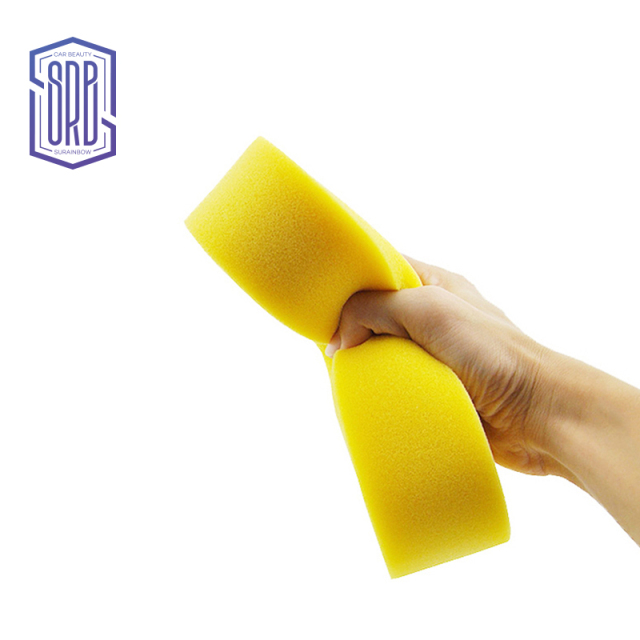
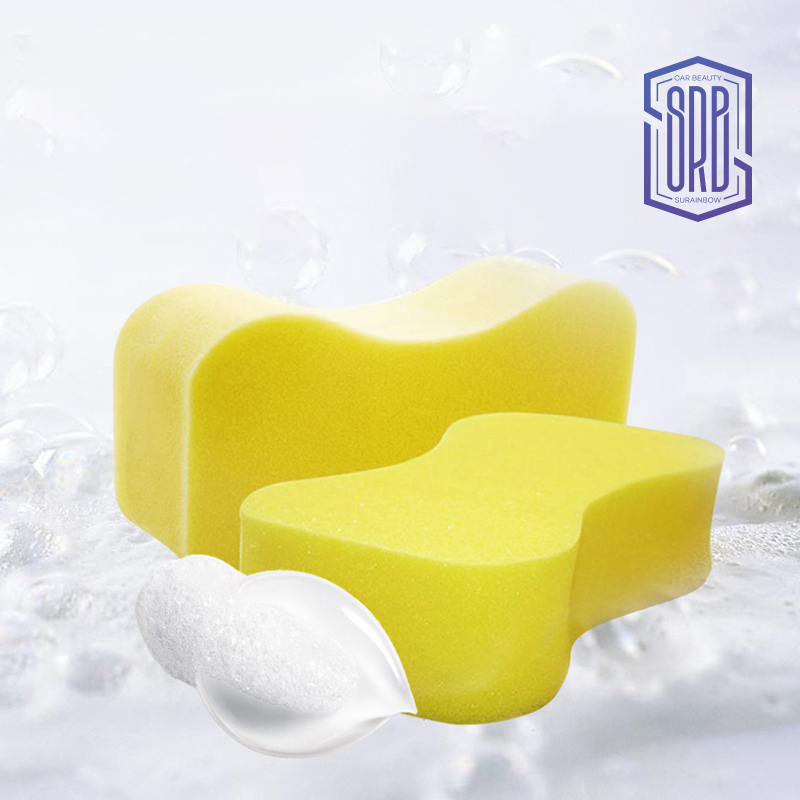
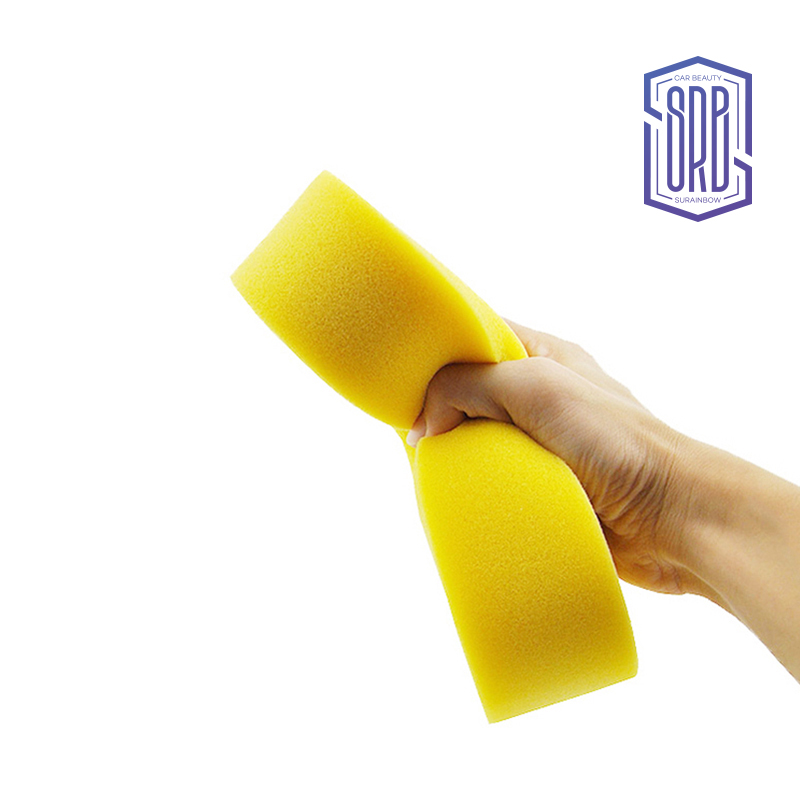
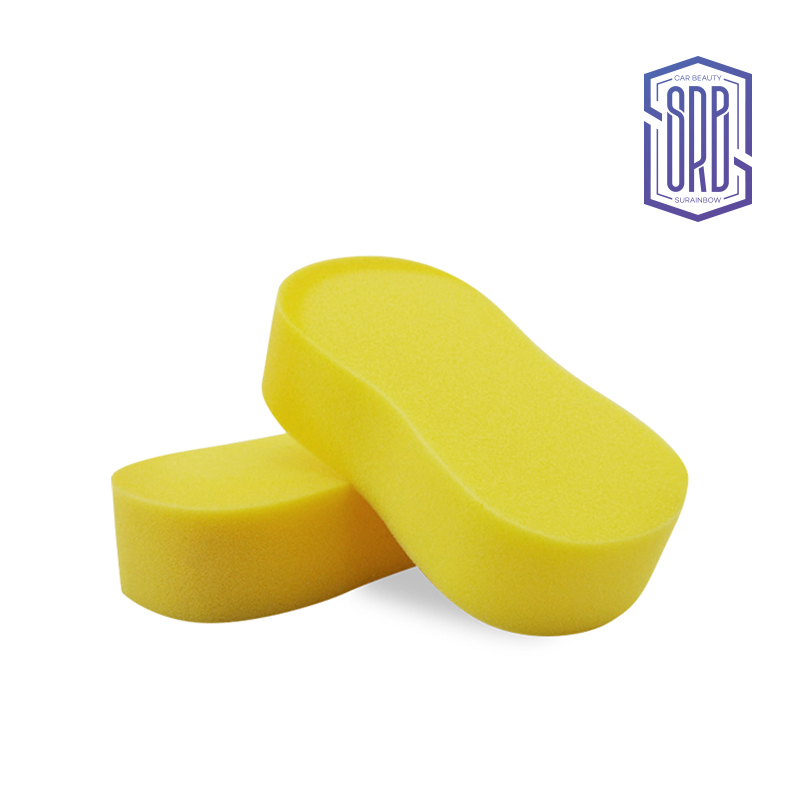
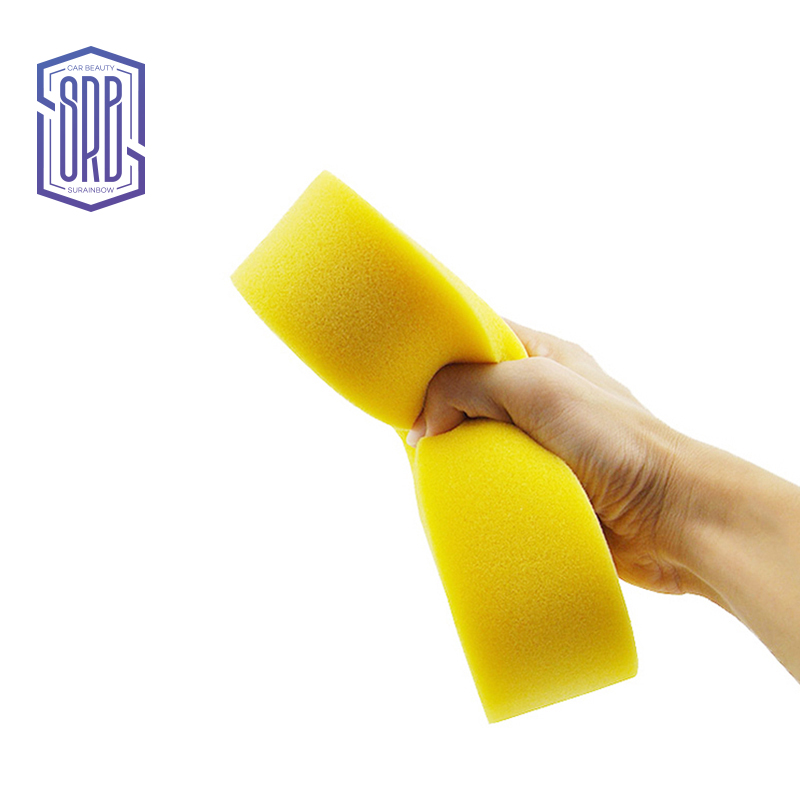
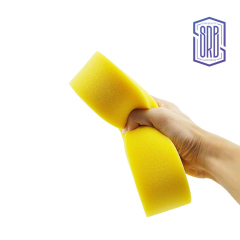
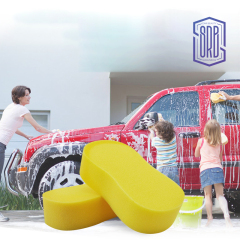
You hold the foam itself rather than a handle, and there is enough block in the hand to cover a door or a wing in a few passes instead of scrubbing with something small. The foam folds when you squeeze it and springs back into shape, so it follows a bumper curve or a wheel arch and still sits flush against a flat panel. We are car cleaning products manufacturers first, so this block is built for a working bay rather than a weekend garage. It sits in the clean tools side of the SURAINBOW range alongside wash mitts, brushes and applicators, and wash chains and car wax manufacturers buy it by the carton because it disappears at a steady rate. It is one of the cleaning tools for car that touches almost every vehicle that comes through, so the construction matters far more than the price of a single piece. The stated uses are cleaning the car and waxing it — the contact wash and the hand-wax pass — and it is neither a polishing pad nor a coating applicator: it works with shampoo, water and wax, not compound or ceramic coating.
Dual-Face Construction
- Microfiber face. The pile lifts road film and keeps it in the fibres instead of pushing it along the panel — this is the face to keep on paint, glass and gloss trim.
- Mesh face. An open scrim with a textured bite for contamination that has already bonded: lower doors, sills, bumpers, wheel faces and the leading edge of the bonnet.
- Two faces on one car detailing cleaner. Instead of a mitt for the panels and a separate scrubber for the stubborn spots, you flip the block and keep working.
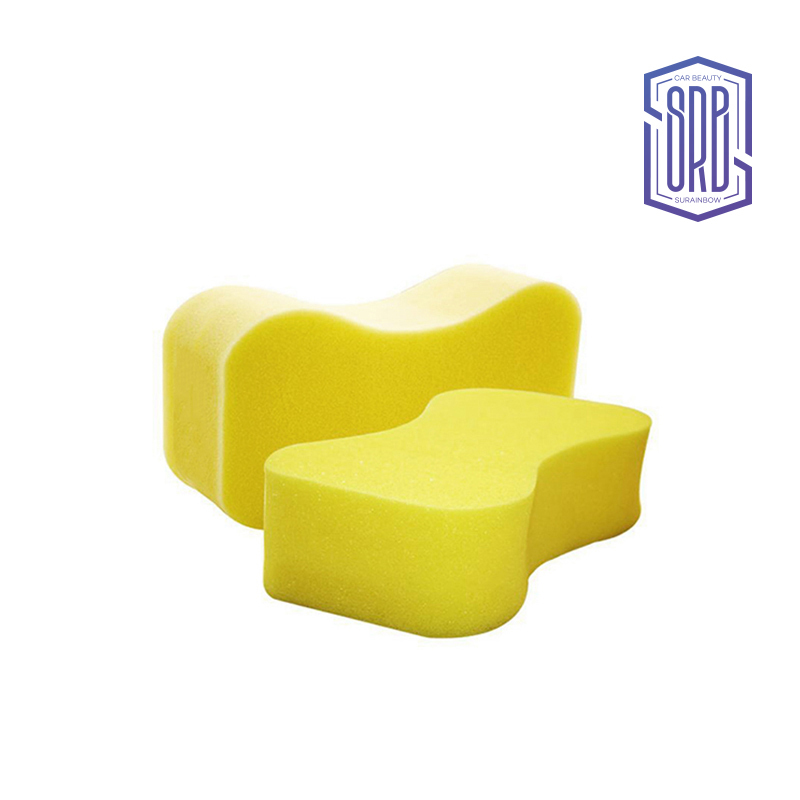
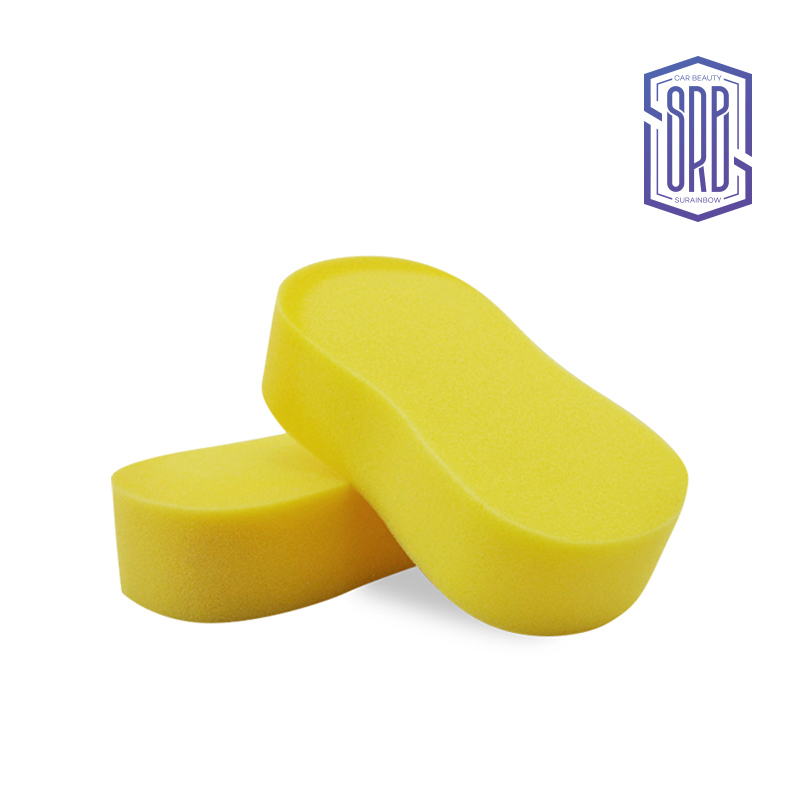
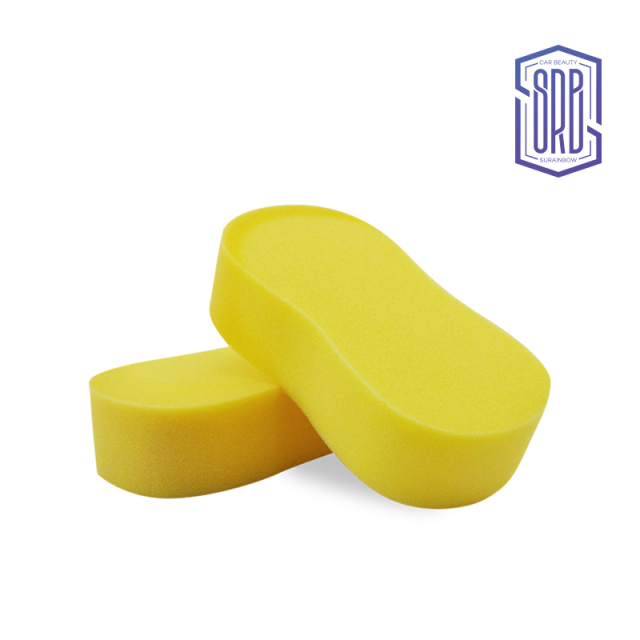
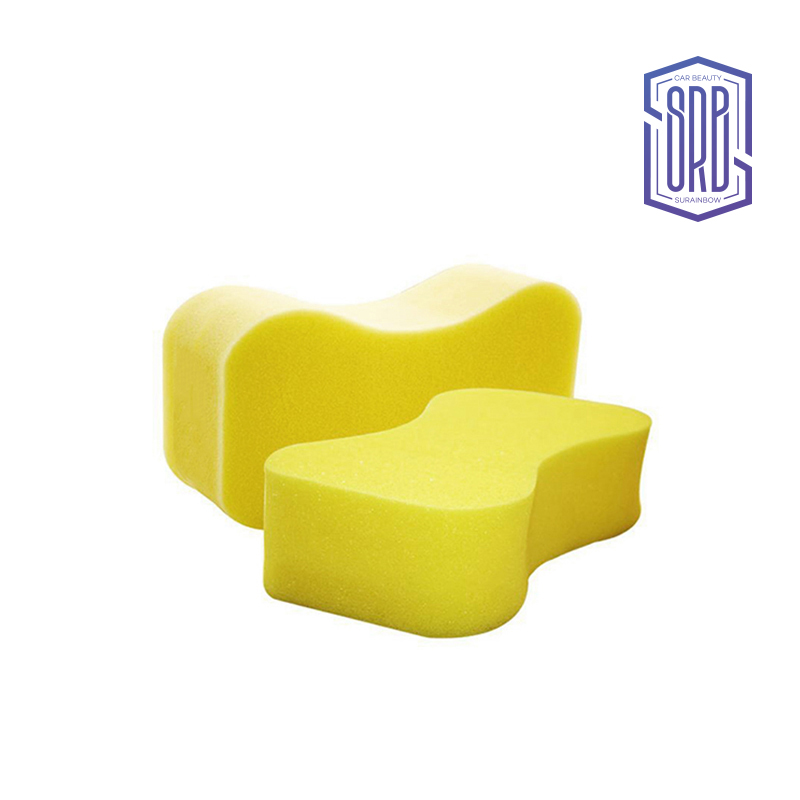
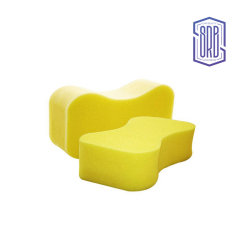
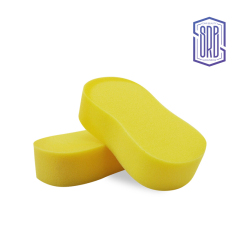
- Contoured grip. The waisted shape sits in the hand without pinching, and the rounded edges mean no hard corner is pressed against a panel.
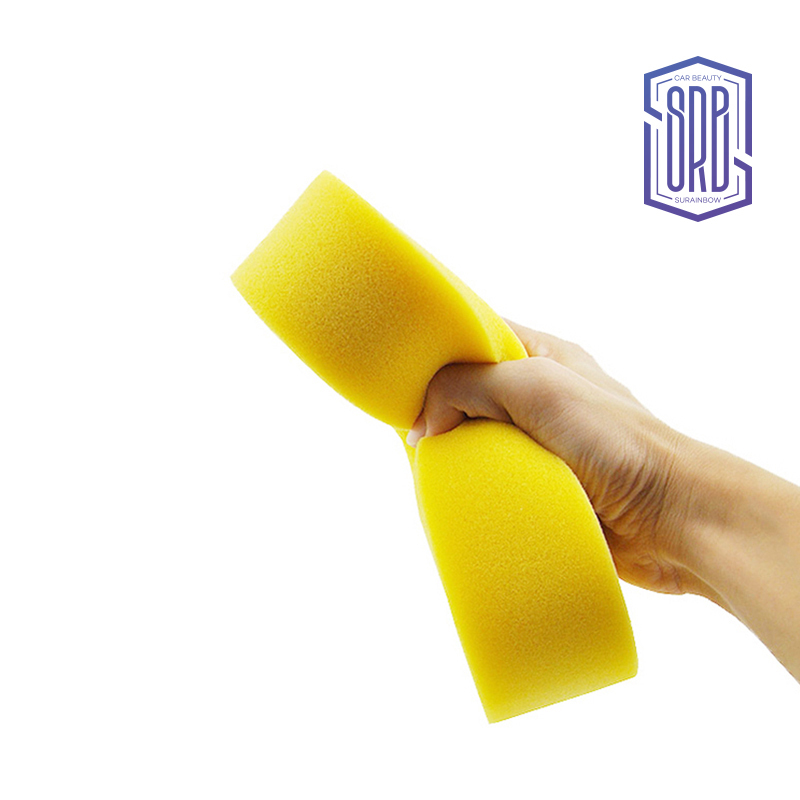
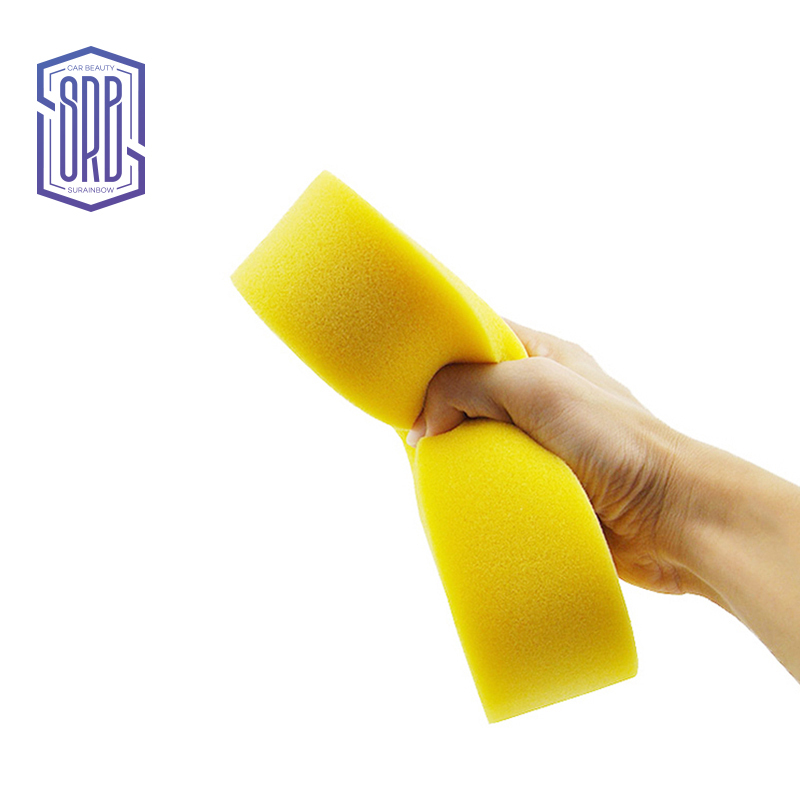
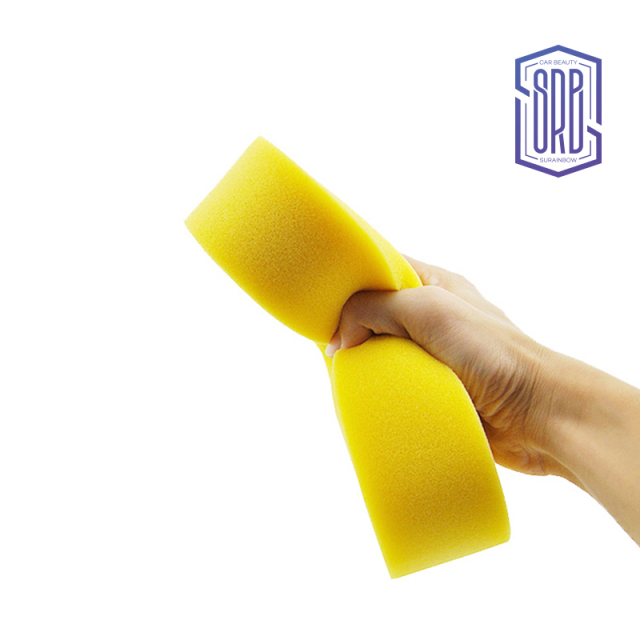
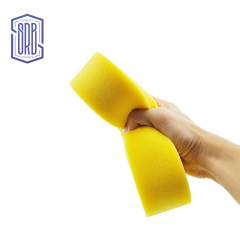
- Soft, flexible PU foam. Squeeze it and it folds; release and it springs back, so an arch or a bumper curve is no harder to work than a flat door.
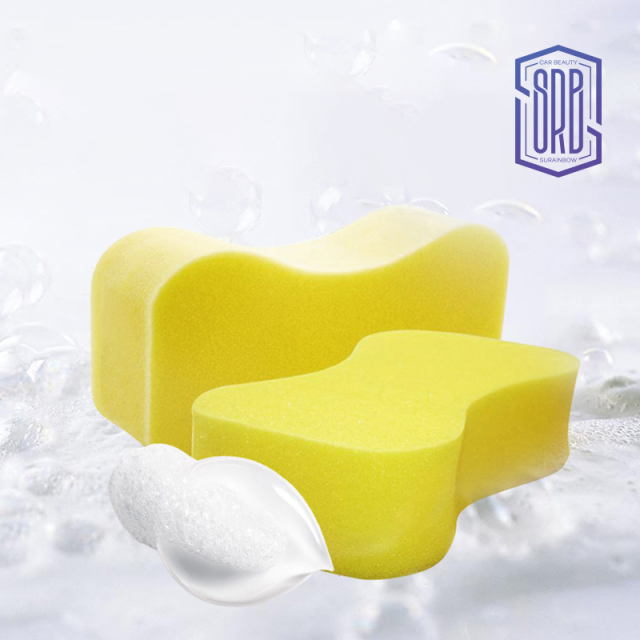
- Holds the wash solution. The foam keeps releasing shampoo as you press, so the panel behind the sponge stays wet instead of flashing dry in the sun.
- One line, not five suppliers. It belongs to the same car care kits programme as our mitts, brushes and applicators, so a wash-stage order ships together.
Typical Applications
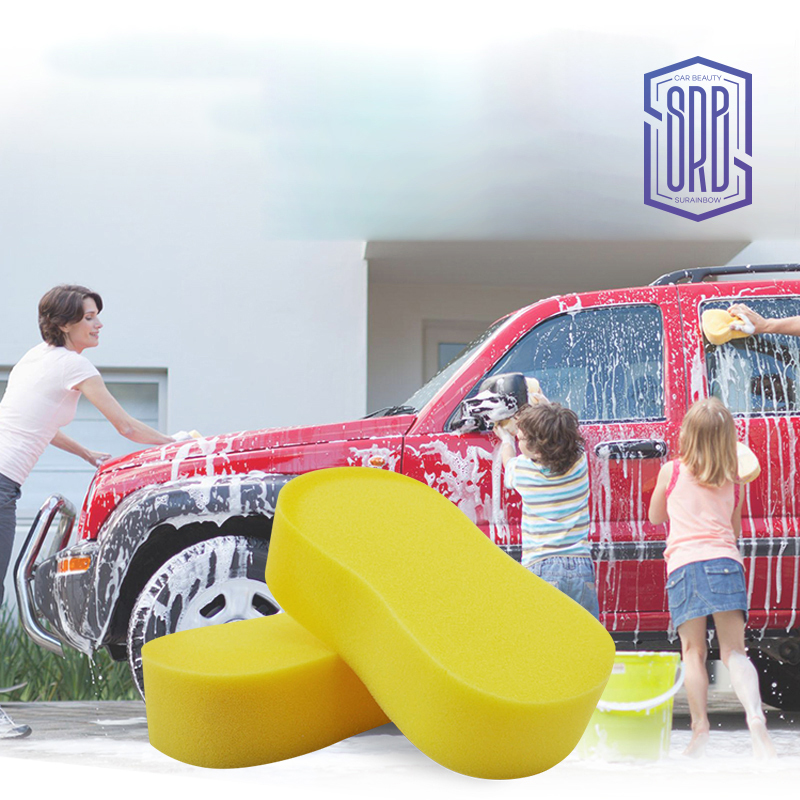
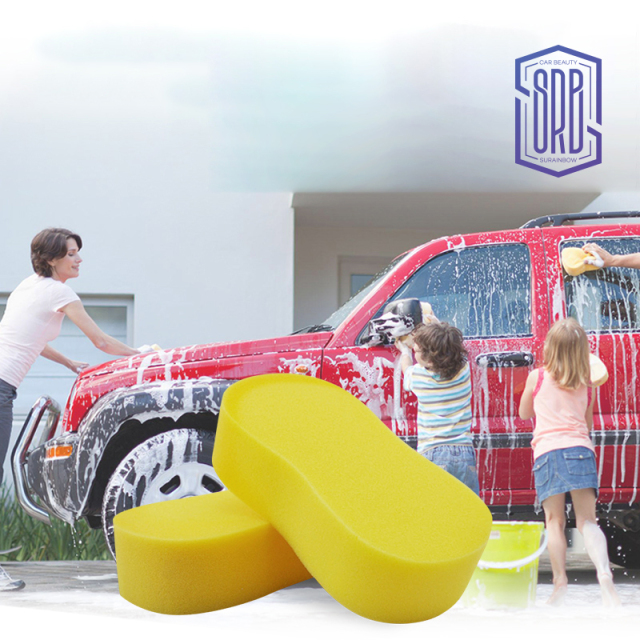
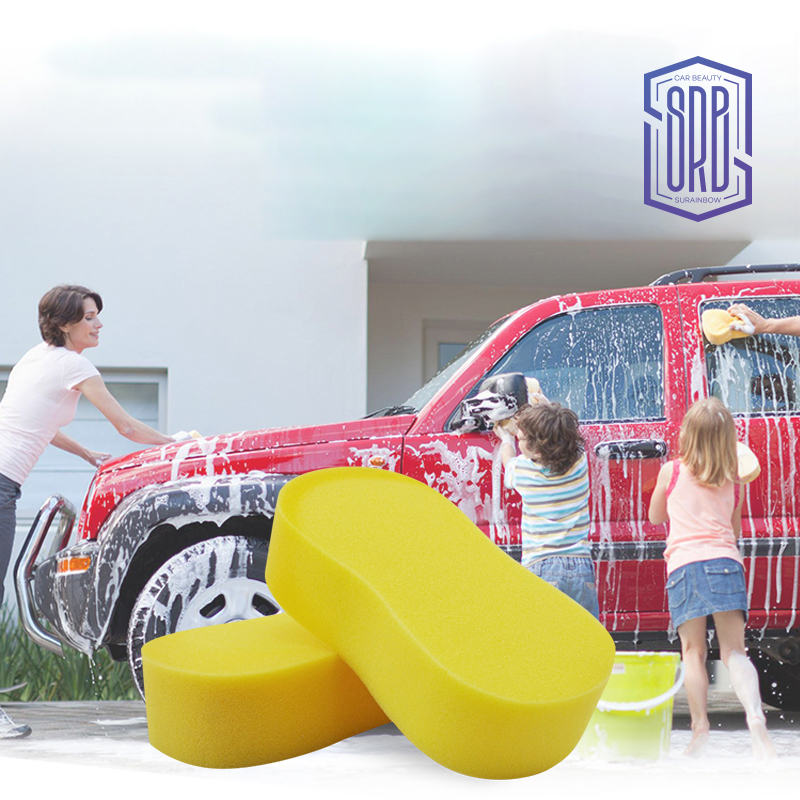
- Contact wash at a detailing studio. After the pre-wash and snow foam, the block goes over the panels by hand with your car wash shampoo , one section at a time.
- High-volume wash bays. One block per station and a carton on the shelf; on the wash side this is the item that gets replaced most often.
- Hand waxing and paint-cleaning passes. Waxing the car is one of its stated uses: load a thin film of wax on the microfiber face and work it in small sections, following the car wax manufacturer's directions for the product you use.
- Between polishing stages. A wet pass lifts compound dust off a panel before you wipe down and inspect the finish under the lamp.
- Distributors assembling kits. Buyers sourcing from car cleaning products manufacturers often add this block to the car care kits they build for resale.
Wash-Bay Workflow
- Pre-rinse and pre-wash first, so loose grit comes off with water and foam before any of your cleaning tools for car touches the paint.
- Fill two buckets — one with your car wash shampoo at the dilution you normally run, one with clean rinse water.
- Soak the block, then squeeze it out below the surface so it holds solution without running off down the panel.
- Start at the roof and work down, panel by panel, in straight overlapping passes rather than circles.
- Rinse the sponge after every panel by squeezing it out in the rinse bucket before you reload it.
- Rinse each section before the car wash cleaner has a chance to dry on the surface, then move on to the next one.
Specifications
| Model | T618 |
|---|
| Product name | Two-sided microfiber cleaning mesh car washing sponge |
| Brand | SURAINBOW |
| Place of origin | Guangdong, China |
| Size | 22 × 11 × 5 cm |
| Body material | PU sponge |
| Working faces | Microfiber face and mesh face, one on each side |
| Unit weight | 0.03 |
| Stated use | Waxing the car, cleaning the car |
| Collection | Clean tools |
Use & Care
Rinse the car wash cleaner out of the block after every wash, squeeze it by hand rather than twisting it, and let it air dry face-up. A sponge left sitting in a bucket overnight or sealed inside a bag never dries properly, and the next job starts with a sour pad.
Keep it off the floor and out of the grit tray. A car detailing cleaner that has picked up grit will mark the next panel; give it its own spot with your other cleaning tools for car instead of dropping it into the bottom of the wash bucket.
Retire it on time. When the microfiber pile mats flat, the mesh face frays or the foam stops springing back, the block can no longer release dirt — it starts dragging it across the panel. Demote it to wheels and arches and put a fresh one on paint.
If your shop launders microfiber in bulk, keep these blocks out of loads with fabric softener or high heat, both of which flatten the pile. Hand rinsing and air drying is enough for most bays, and it keeps the two faces working the way they did on the first wash.
Ordering & Delivery
- Send the quantity, the destination market and the pack format you want.
- Distributors stocking car care supplies for a season usually give a forecast so the cartons can ship together.
- Ask your sales contact about sample availability so your team can test both faces against the sponge you use now; confirm what will be evaluated, and on which surface, before anything is sent.
- Approve the carton and label proof before production: artwork, barcode and pack quantity are confirmed at this stage.
- Confirm price, payment terms and the documents you need for import — invoice, packing list and any test or safety documentation your market asks for — before the balance is settled.
- Catalogue lines are kept in stock and fast shipping follows once the order and balance are confirmed.
- Check carton marks, consignee details and the dispatch documents before the container closes, and keep the batch reference on file.
- Report shortage, leakage or damage within 7 days of receipt and product-quality concerns within 30 days, quoting the batch number and photos so the batch can be traced back through production.
Scale & Supply Capability
SURAINBOW is run by Guangzhou Liangdian Automotive Supplies Co., Ltd., a factory-trade operation set up in Guangzhou in 2010 and now 50 people strong. Sixteen years in car care have given us a one-stop supply position: our own SURAINBOW lines are held in stock for fast shipping, and an associate factory with modern production equipment and an established quality management system keeps replenishment moving. We take OEM and ODM work and our R&D team develops to your specification. Buyers in the Middle East, the United States, Southeast Asia, Europe, the UK, Russia, Africa and Australia already order from us.
FAQ
Can it be used with a snow foam or foam cannon wash?
Yes, as the second stage. Let the foam and the pre-rinse take the loose dirt off first, then wash by hand with your car wash shampoo at the dilution you normally use. The sponge is the contact stage — it should never be the first thing to touch a dry or gritty panel.
Is the mesh face safe on gloss paint?
Keep it to the areas where contamination has bonded — lower panels, sills, bumpers and wheel faces — and let the car wash cleaner soften the film before you apply any pressure. On a soft or freshly polished finish, work the microfiber face instead, and test the mesh on a small hidden area first if you are unsure.
How is this different from a coating applicator sponge?
A coating applicator carries ceramic coating onto a panel in a thin, controlled film; this block is a wash-stage car detailing cleaner that works with shampoo and water. Keep the two apart — a wash sponge has held grit and road film, which is the last thing you want in a coating pass.
Can I use it to apply wax by hand?
Yes. Waxing the car is one of its stated uses: load a thin film of wax on the microfiber face and work in small sections, then buff off. Keep one block for wax and another for washing — detailers and car wax manufacturers both ask for that separation, because a sponge that has been in the wash bucket has no place in a wax pass.
How many should a busy wash bay keep on hand?
Treat it as a consumable: one in use and one drying per station is the usual pattern, and most shops order by the carton rather than by the piece. Distributors who build car care kits for resale often take a carton as a standing line item alongside mitts and applicators.
Is this the only size available?
The standard version of this block is the one size we publish for the model, so if you are ordering the regular line, plan around that single size. If your wash process needs a different block size, a different face combination, or a shape that suits a particular panel or wheel area better, ask your sales contact what can be supplied for your order rather than assuming the standard block will cover it. A smaller block can be easier to handle in tight areas, while a larger block can cover broad panels with fewer passes, but whether either variation is available for your programme is something your contact needs to confirm. If you resell the block under your own label, settle the size and face combination before you commit to packaging, labels or a product listing, so the stock you receive matches what your customers expect. And if you are comparing this block with other wash media in your range, use the standard version first to judge how it feels in the hand and how each face works on the surfaces your team sees most often, then discuss any change with your contact.