Product Overview
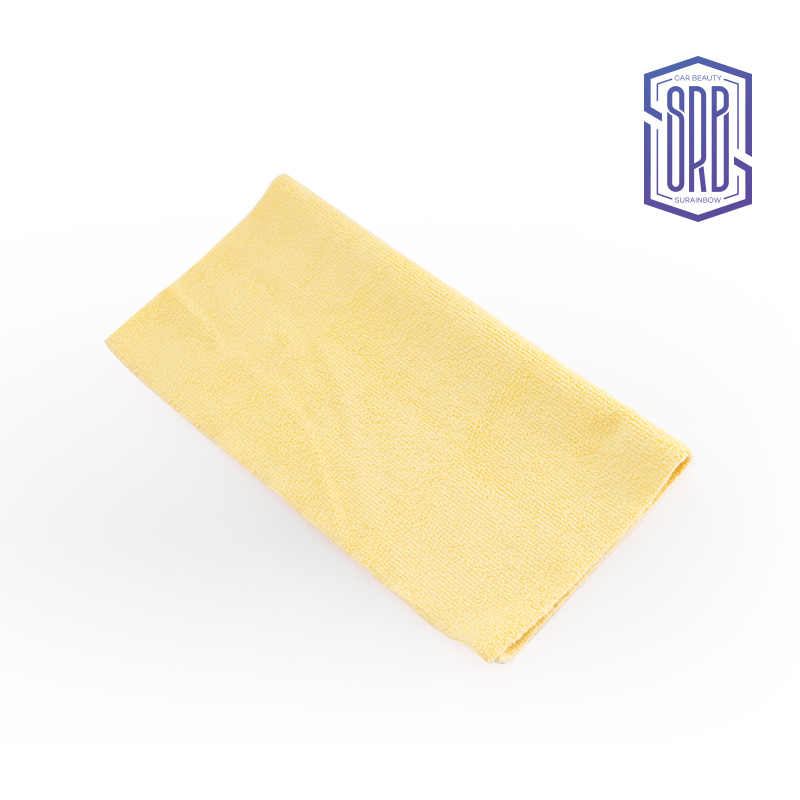
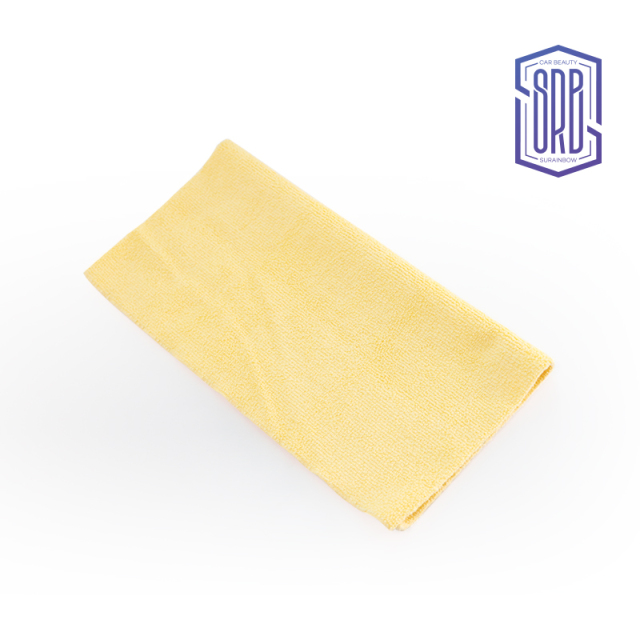
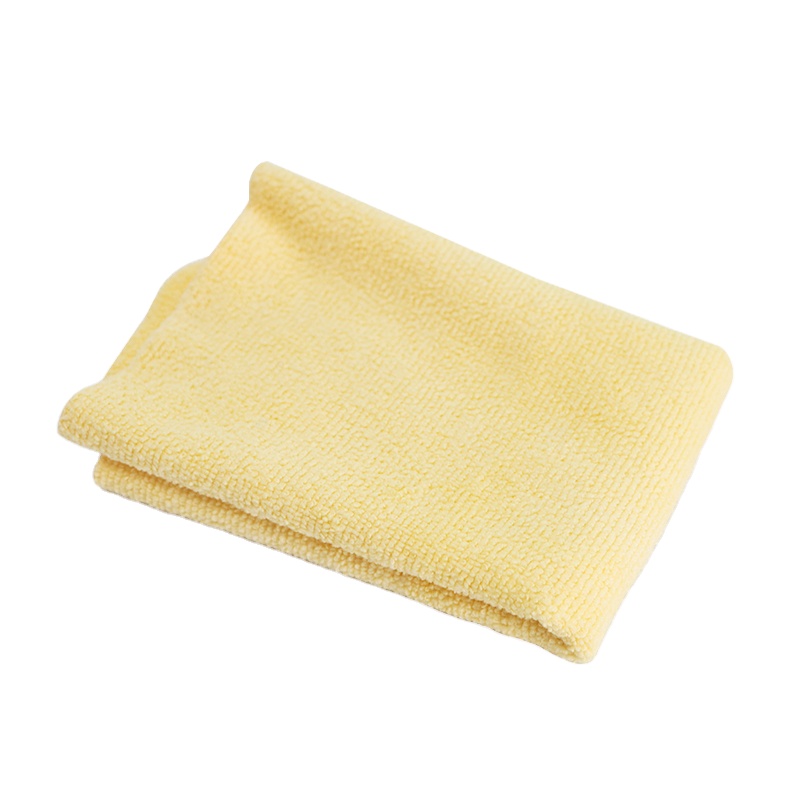
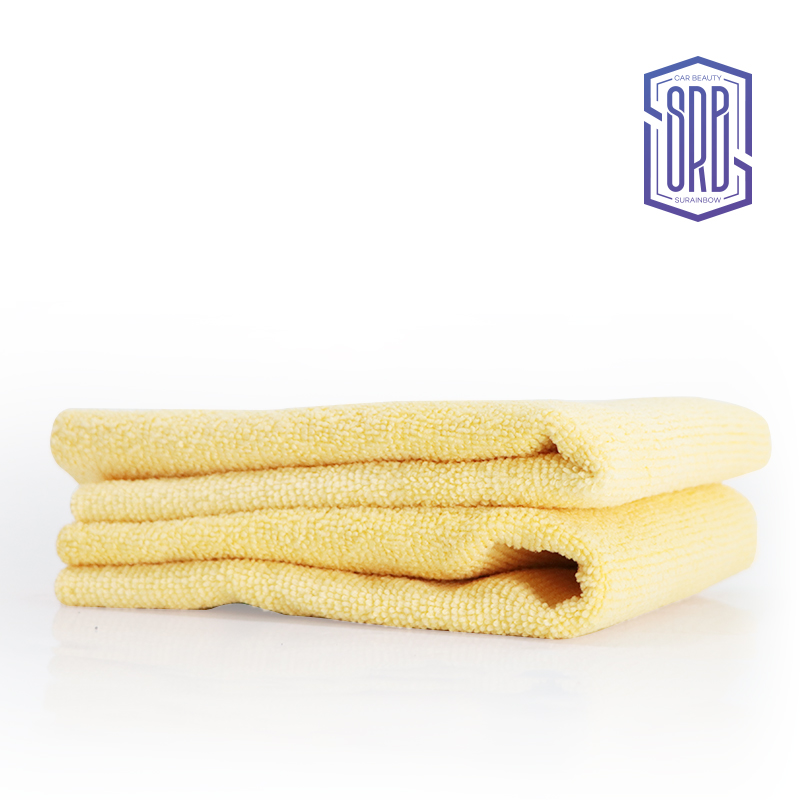
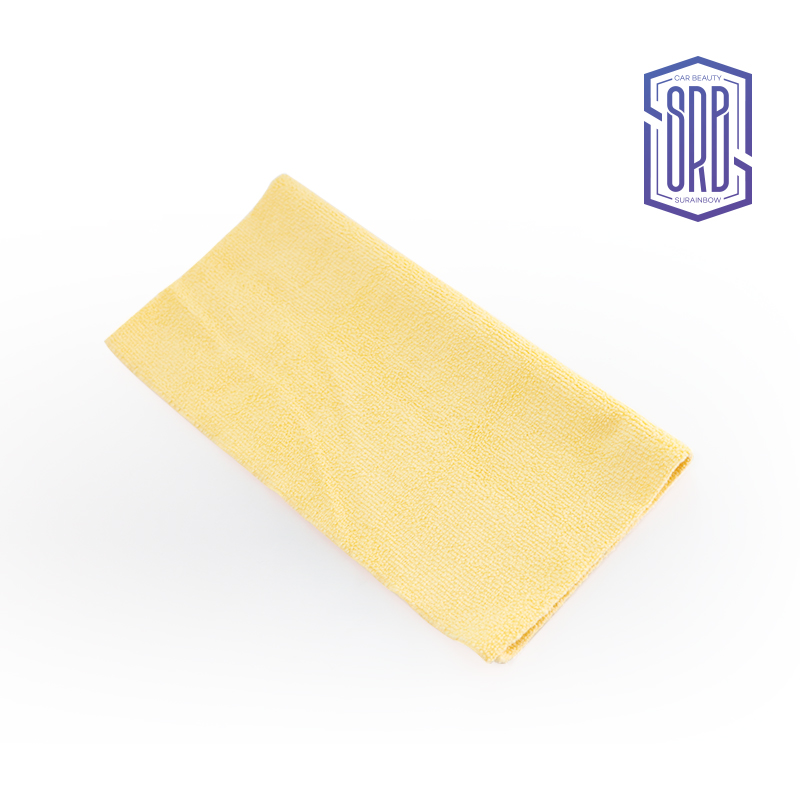
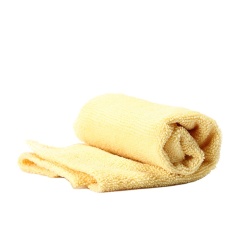
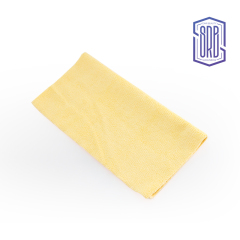
Measuring 30 × 30 cm, the yellow T-648 microfiber towel from SURAINBOW provides a compact cloth for washing, controlled drying and wax residue removal on car body surfaces. Fine loops create a textured surface, while the flexible fabric folds readily for smaller areas and can be turned to expose a fresh working face during detailing. A sewn perimeter and rounded corners complete the construction, and the cloth can be held flat against a panel with the fabric spread evenly beneath the hand. For paintwork use, remove loose grit before washing, change to a dry cloth when saturated, and use a separate, clean, dry towel for wax buffing when the wax instructions specify it.
Fabric & Handling
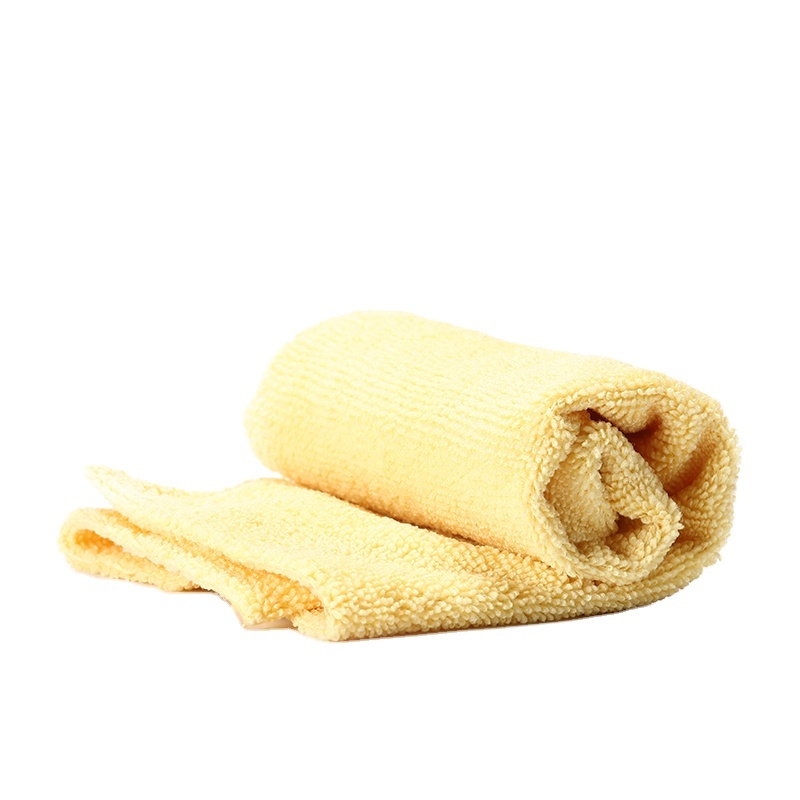
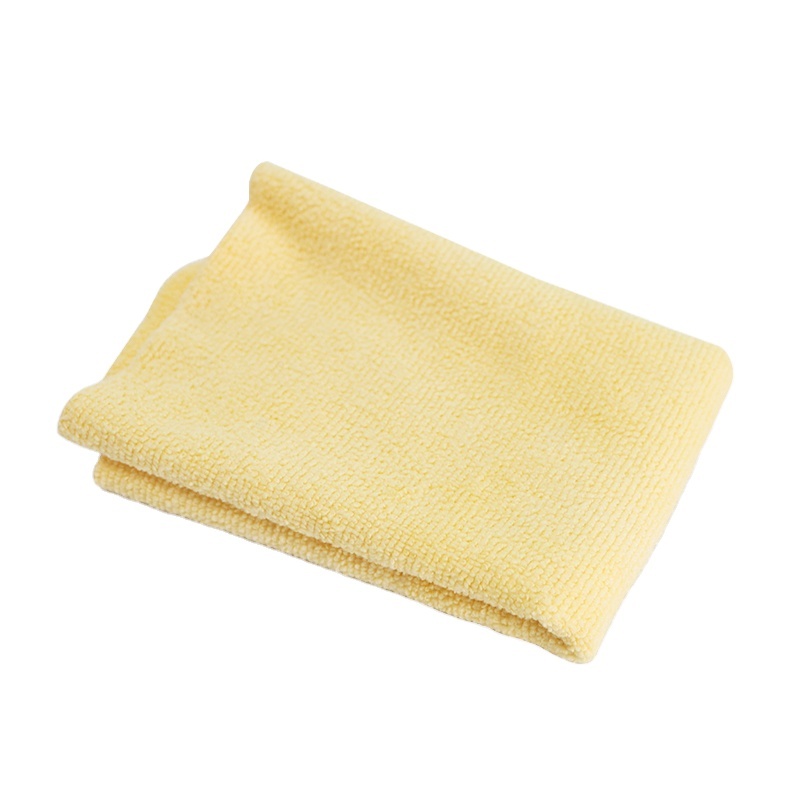
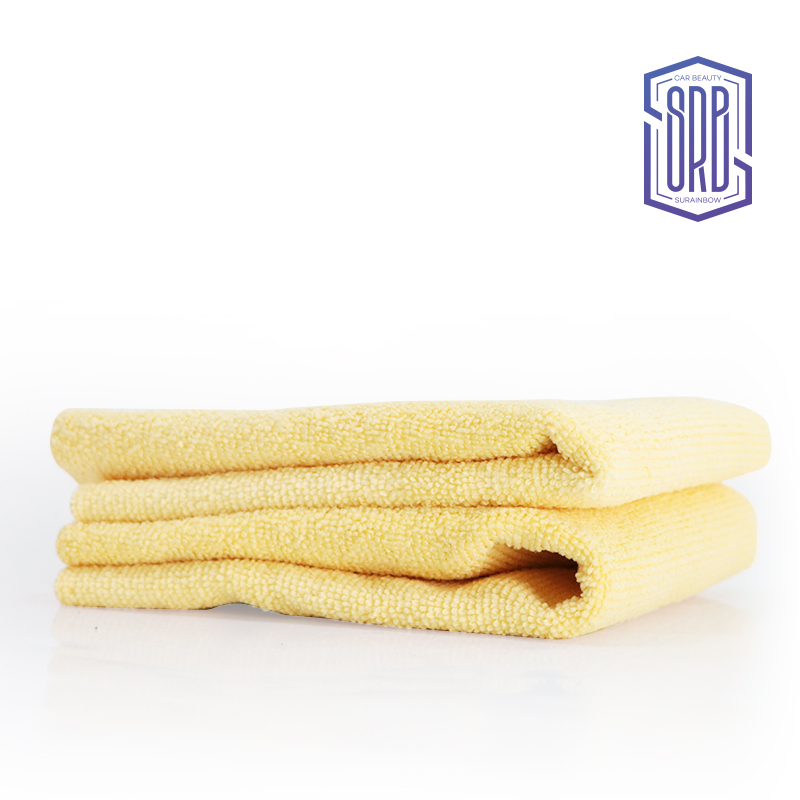
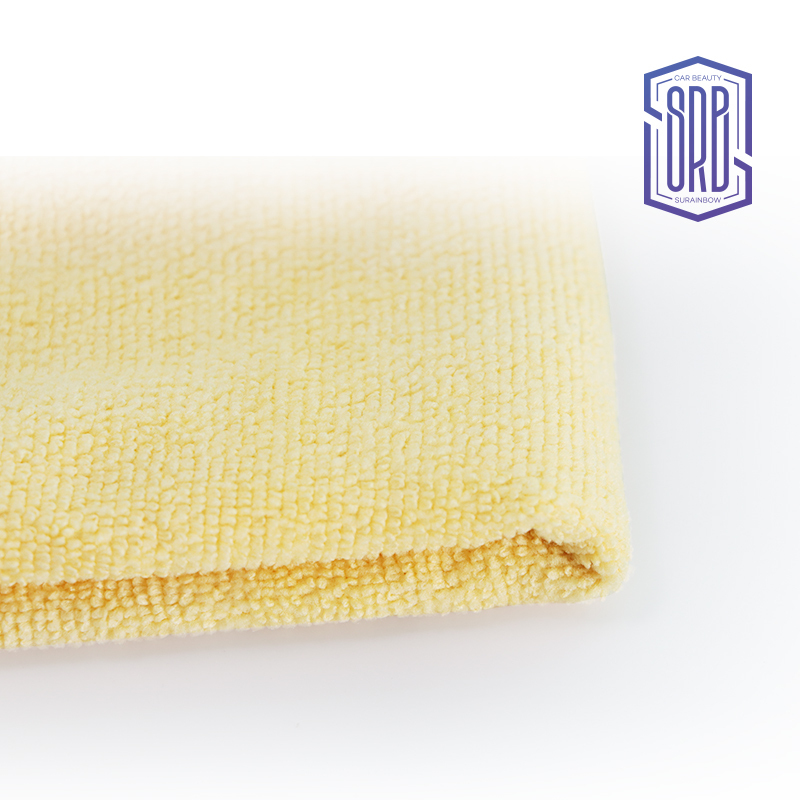
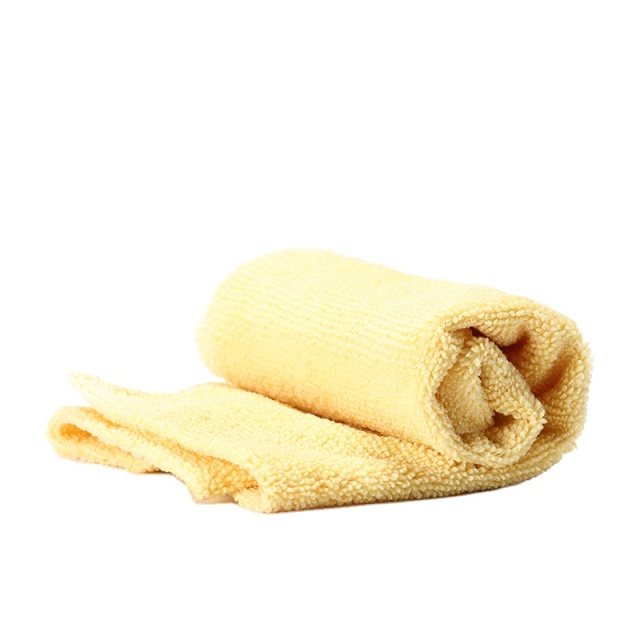
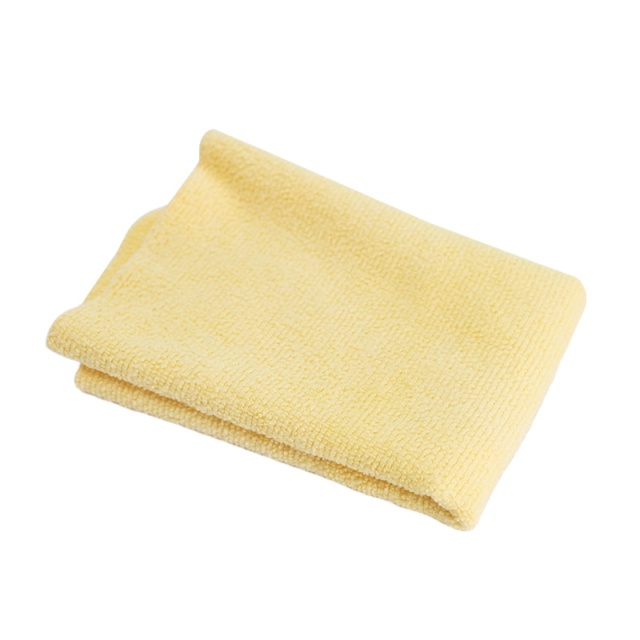
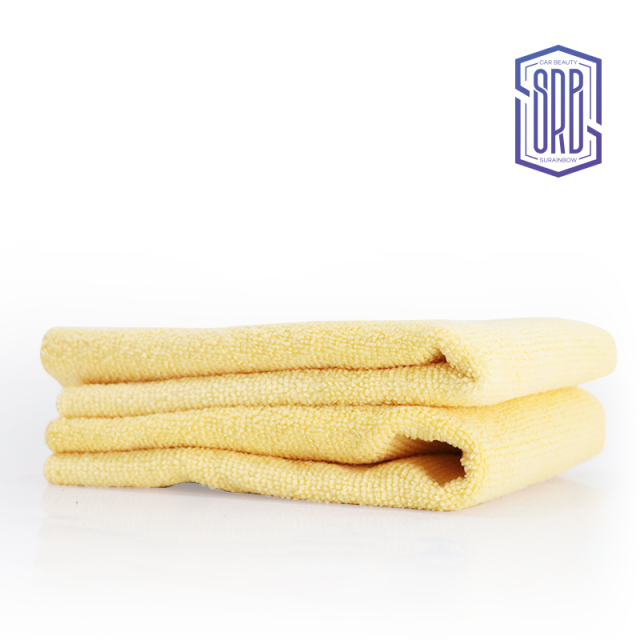
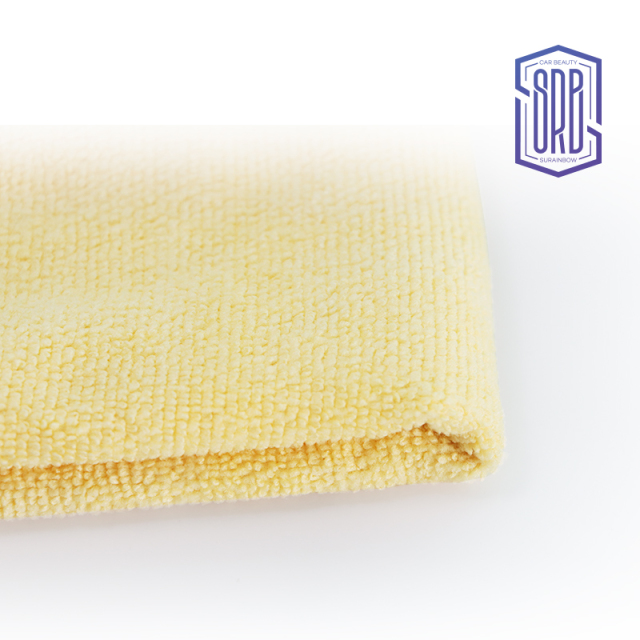
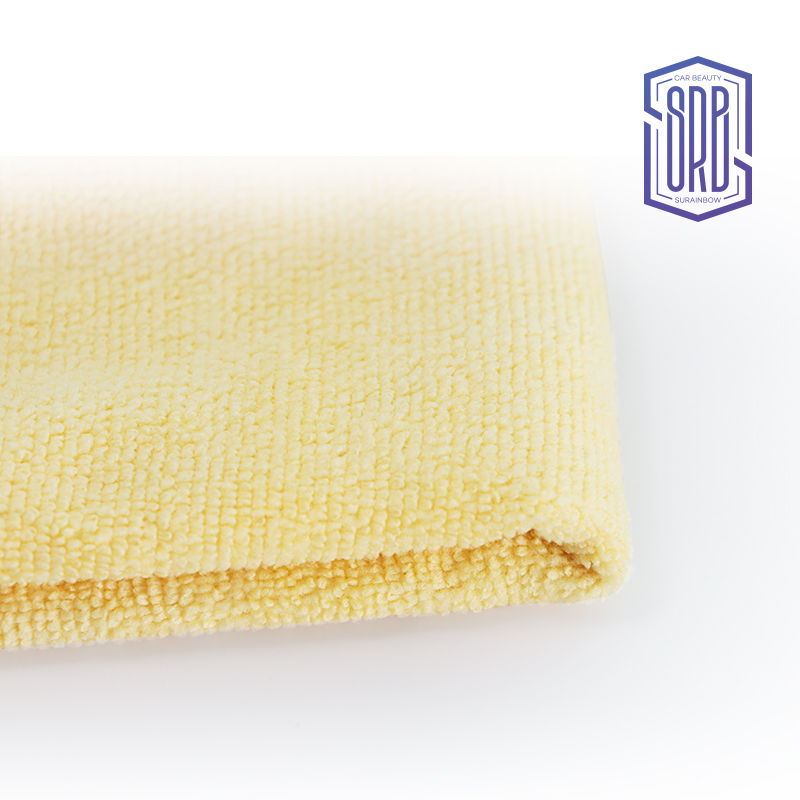
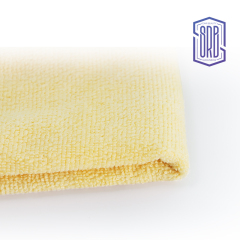
Fine loops give the T-648 a textured fabric surface rather than a smooth, flat finish. The close-up views show the pile across the cloth, helping you see the fabric you will handle during everyday detailing.
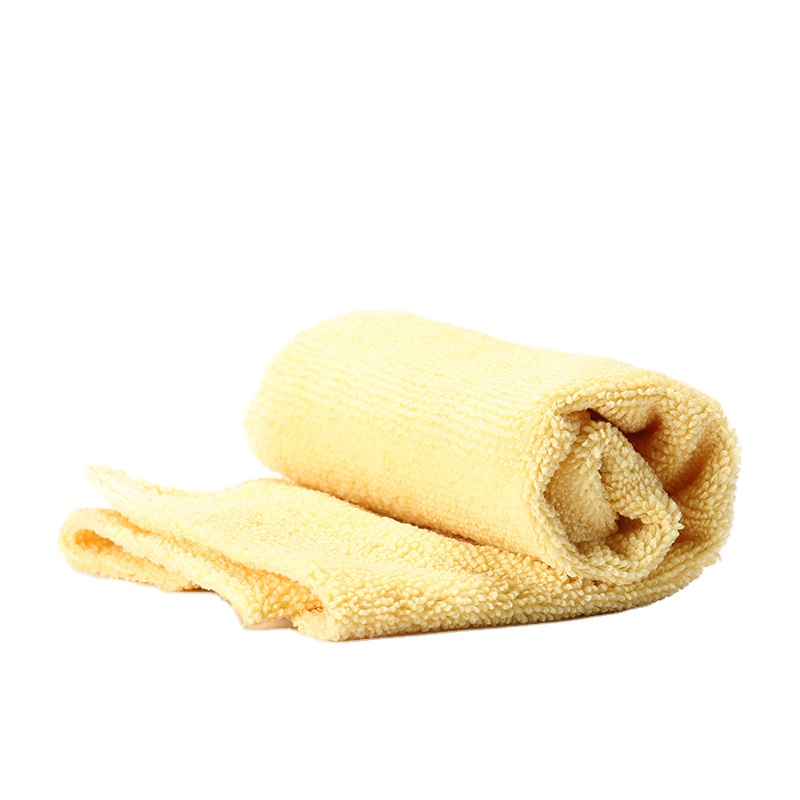
Flexible fabric folds readily in the hand. When washing with car wash shampoo, you can keep a working face flat against a panel or fold the cloth to suit a smaller area, rather than handling a rigid cleaning pad.
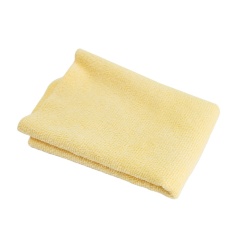
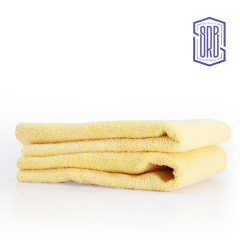
Stitching runs around the edges, with rounded corners visible in the product photographs. The towel has a sewn perimeter, not an edgeless construction.
When using a car wash cleaner, a folded cloth can be turned to expose a fresh working face as you move through a task. Keep the fabric spread evenly beneath your hand instead of bunching it into a tight wad.
The textured surface does not replace good preparation. Gentle contact and a clean working face remain important whenever a cloth touches automotive paint.
Product Specifications
| Property | Detail |
|---|
| Product name | Wash towel |
| Dimensions | 30 × 30 cm |
| Color | Yellow |
| Application surface | Car body surface |
| Brand | SURAINBOW |
| Place of origin | Guangdong, China |
| Type | Other |
Washing, Drying & Waxing
- Routine washing: Remove loose grit before contact washing, then follow the car wash shampoo instructions for dilution and rinsing. Use light pressure rather than scrubbing dirt into the finish.
- Local cleaning: For a small patch of residue, use a car wash cleaner approved for the surface and follow its application directions. Avoid spreading concentrated product onto surrounding trim or letting it dry unintentionally.
- Post-rinse drying: Work across manageable areas and change to a dry cloth when the working towel becomes saturated. A compact towel is useful for controlled wiping, but it should not be expected to dry an entire vehicle without changing cloths.
- Wax finishing: Use a separate, clean, dry cloth for removing car wash wax residue when the wax instructions call for towel buffing. Follow the specified removal stage rather than assuming every wax should be wiped immediately.
- Final inspection: Check the finish under suitable light after wiping. If a smear remains, identify whether it is moisture or product residue before applying more pressure or adding another chemical.
Use & Care
- Before first use, launder the towel separately and inspect the fabric for loose debris. Follow any care instructions supplied with the cloth.
- Keep towels used on painted bodywork separate from cloths used on wheels, tires or greasy components. Do not move a heavily contaminated cloth back onto paint.
- Remove a towel from paintwork use if it falls onto the floor or picks up grit. Launder it and check the pile carefully before returning it to service.
- After washing with car wash shampoo, launder used cloths with a detergent suitable for microfiber, separately from lint-shedding fabrics. Avoid fabric softener, which can leave a coating on the fibers.
- Rinse out detergent thoroughly and let the towel dry fully before putting it away. Use only drying settings permitted by its care instructions.
- Inspect the cloth after cleaning for hardened product residue, trapped particles or damaged stitching. Set aside any towel that no longer feels suitable for delicate surface contact.
Testing & Sample Approval
Paint-contact trials should use the intended finish and the same products your workshop will use day to day, including your chosen car wash cleaner. Begin on an inconspicuous area and inspect the result before extending the trial to a larger section.
A useful fabric check covers surface feel, lint left after wiping and any visible transfer onto the test surface. Record the condition of the finish before and after use so the result is not confused with pre-existing marks.
For drying trials, compare handling and the remaining moisture under consistent conditions. For finishing trials with car wash wax, check whether residue clears cleanly without repeated heavy rubbing. These checks establish suitability for your own process; they are not a substitute for product-specific performance data.
Fiber blend, fabric weight, pile measurements and laundering limits should be agreed in writing if they are essential to your requirements. Do not assume that towels with a similar appearance share the same construction.
An approved sample can be retained for comparison when both sides agree the specification, inspection criteria and acceptable tolerances. Identify it clearly so later checks use the same agreed cloth.
Destination-market requirements need towel-specific documentation. Request the applicable textile or third-party test reports for review before making compliance claims; company-level certificates do not establish approval for this item.
Ordering & Delivery
- Standard order details: The stated minimum order is 100 pieces, with OPP bag packing. Carton quantity, carton dimensions and shipment weight need to be agreed for the order.
- OEM orders: OEM is available for this model. The scope of branding, artwork and any changes to the towel or pack must be agreed before production; not every requested change is automatically included.
- Sample arrangements: Ask for current sample terms before arranging a trial or approval cloth.
- Packaging design and approval: Where a different pack or printed artwork is requested, review the proposed materials, label text, barcode and carton marks together. Approve the applicable proof before production release.
- Stock and dispatch: In stock and fast shipping. This is a general supply statement; availability for the requested quantity and the dispatch schedule are confirmed for each order.
- Balance and document handover: Before shipment, agree any outstanding balance, the inspection arrangement, consignee details and the required commercial invoice, packing list and customs documents. The final document set depends on the destination and shipping terms.
- After-sales reporting: Report packaging or shortage issues within 7 days of receipt, and product-quality concerns within 30 days. Include the order details, affected quantity, clear photos or video, and a description of the issue.
- Batch follow-up: Keep the order identification and any batch or carton markings supplied with the goods. Where specific traceability records or retained production samples are required, agree their availability and scope before ordering.
Specialist Coating Removal
- Specialist coating removal is not a confirmed use for the T-648. Do not select it as a coating-removal towel solely because it is made from microfiber.
- Removing excess freshly applied coating and stripping a cured protective layer are different tasks. Instructions for wiping away fresh residue do not establish suitability for removing a hardened coating.
- For cured coatings, follow the coating manufacturer's specified removal method. We do not claim that this towel can strip ceramic, graphene or other specialist protective layers through wiping alone.
- Where a removal process uses solvents or other chemicals, check the chemical supplier's cloth requirements and obtain confirmation of the towel's compatibility before use. Chemical resistance has not been established for this model.
- For workshop purchasing, identify the coating, underlying surface, removal product and stage of work before choosing a cloth. If the coating manufacturer specifies a particular towel construction or dedicated removal cloth, use that recommendation rather than treating the T-648 as an interchangeable substitute.
Scale & Supply Capability
We are Guangzhou Liangdian Automotive Supplies Co., Ltd., an integrated manufacturing and trading company founded in Guangzhou in 2010. With 50 employees, we supply a broad range of car care products to distributors, wholesalers and brand owners. Our range lets you source across categories through one supplier, with in-stock options and fast shipping. Alongside our SURAINBOW brand, we offer OEM/ODM customization, supported by a professional R&D team that can design and develop products around your requirements.
FAQ
Can I use this towel to level a freshly applied ceramic coating?
Specialist coating work requires a towel matched to the coating manufacturer's instructions. Approval for leveling or removing a freshly applied coating has not been established for this model, so use a specifically recommended cloth for that task.
Does the T-648 have sewn edges, and can it be folded for smaller detailing areas?
The T-648 has a sewn perimeter, rounded corners and flexible fabric that folds readily for smaller areas. Its fine loops create a textured surface, and a folded cloth can be turned to expose a fresh working face. When working on a panel, keep the fabric spread evenly beneath the hand and use gentle contact with a clean working face.
Is the 30 × 30 cm towel suitable for drying an entire vehicle with one cloth?
The 30 × 30 cm T-648 is suitable for controlled drying across manageable areas, but it should not be expected to dry an entire vehicle without changing cloths. After rinsing, change to a dry towel when the working cloth becomes saturated. Inspect the finish under suitable light and identify whether any remaining smear is moisture or product residue before applying more pressure.
Can this towel be used for both contact washing and wax residue removal?
The T-648 can be used for washing and wax residue removal on car body surfaces. Before contact washing, remove loose grit and follow the shampoo instructions for dilution and rinsing, using light pressure. For wax finishing, use a separate, clean, dry cloth when the wax instructions call for towel buffing, and follow the specified removal stage.
What laundering and handling practices are recommended for towels used on paintwork?
Used cloths should be laundered with a detergent suitable for microfiber, separately from fabrics that shed lint, without fabric softener. Before first use, launder the towel separately and inspect for loose debris. Keep paintwork towels separate from wheel, tire and greasy-component cloths. If a towel picks up grit or falls onto the floor, remove it from paintwork use until it has been laundered and inspected.