Product Overview
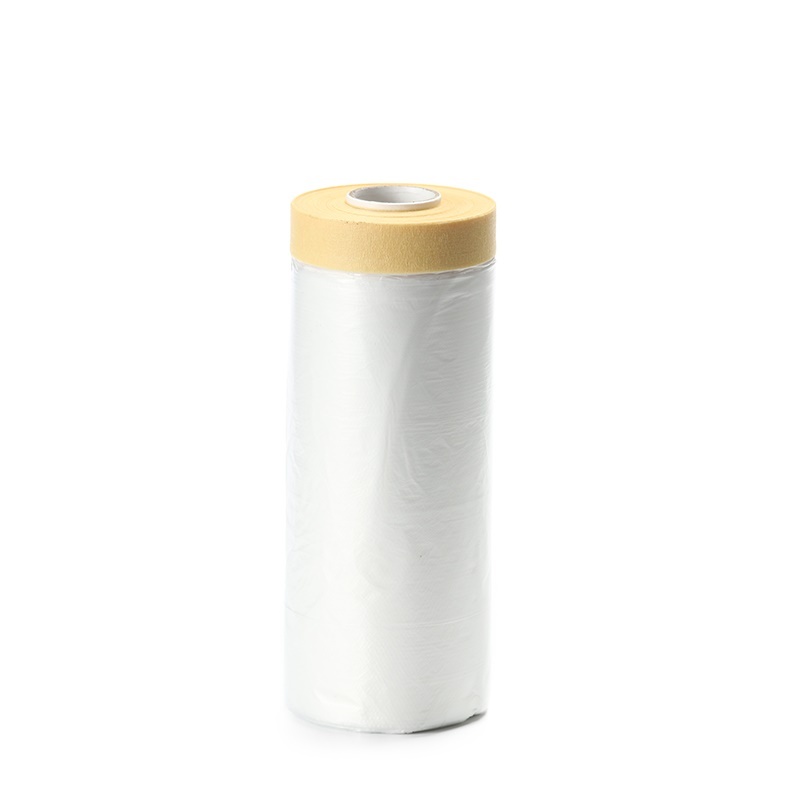
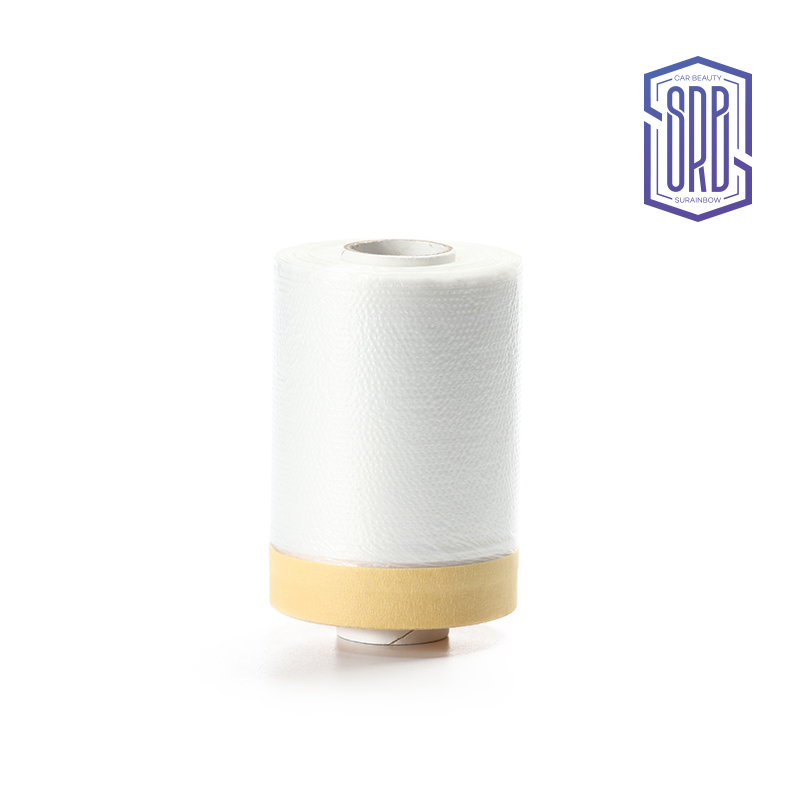
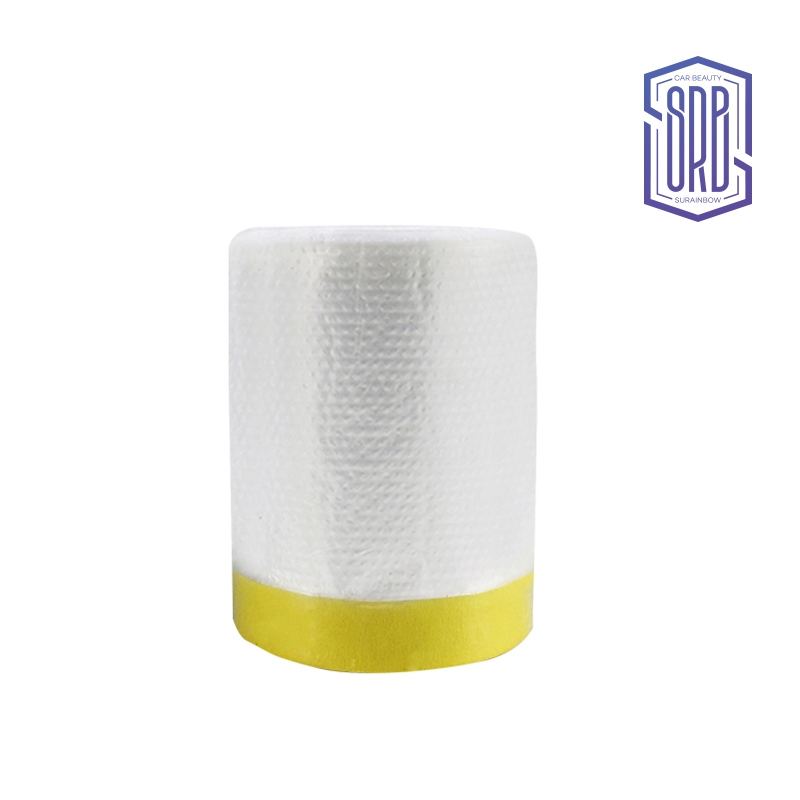
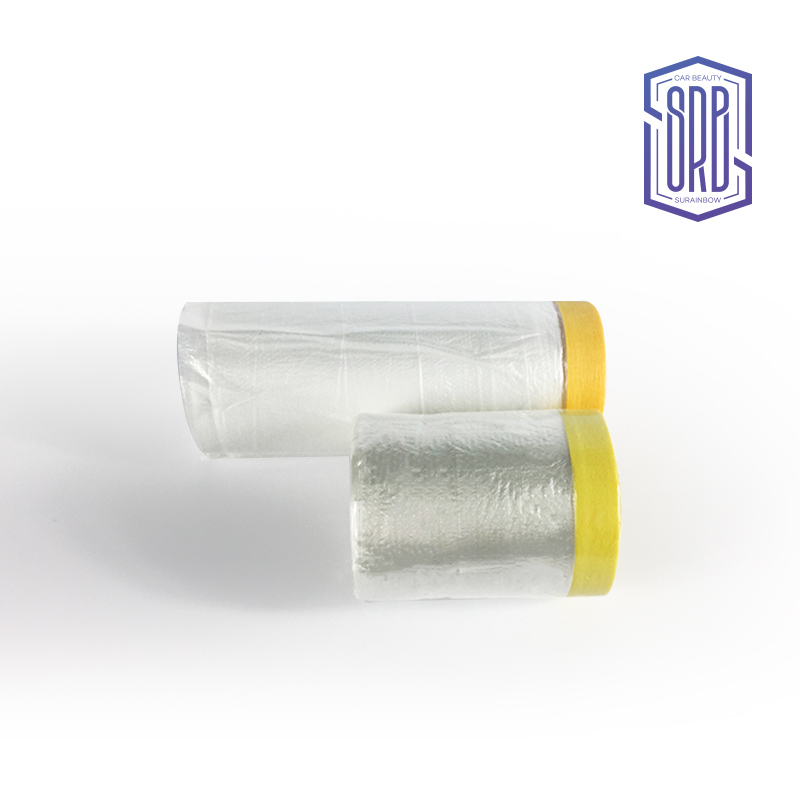
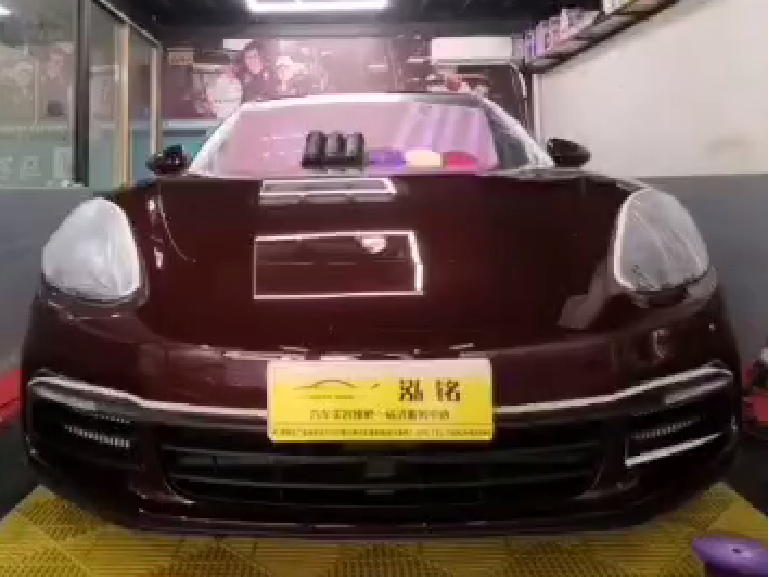
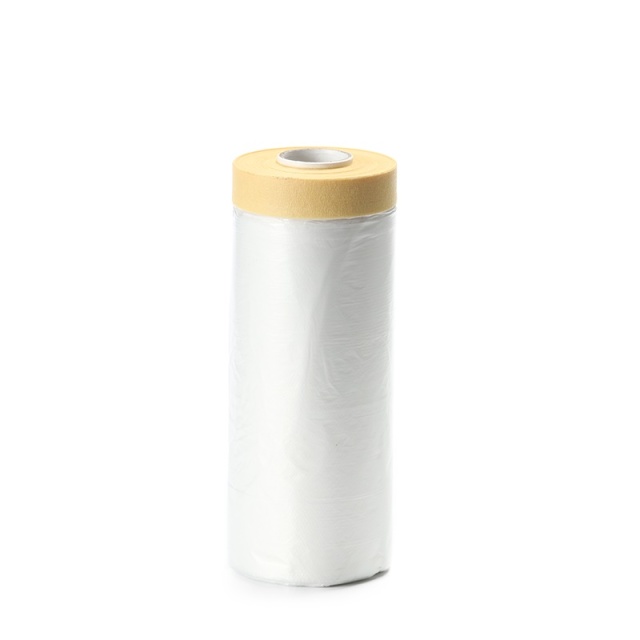
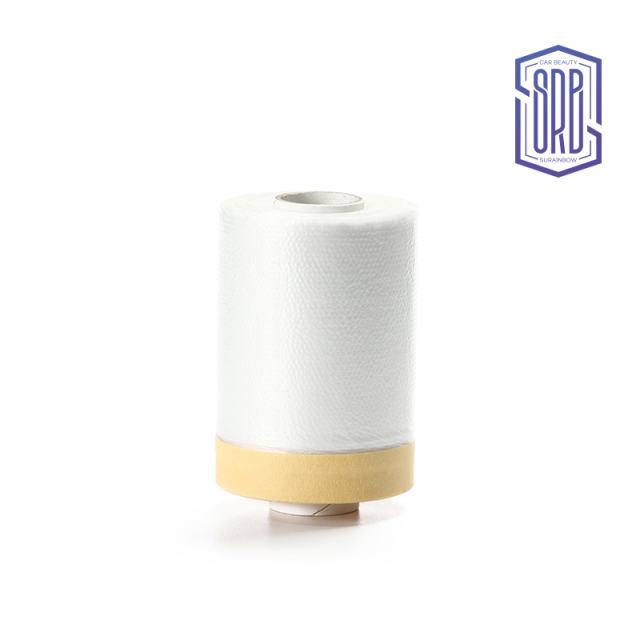
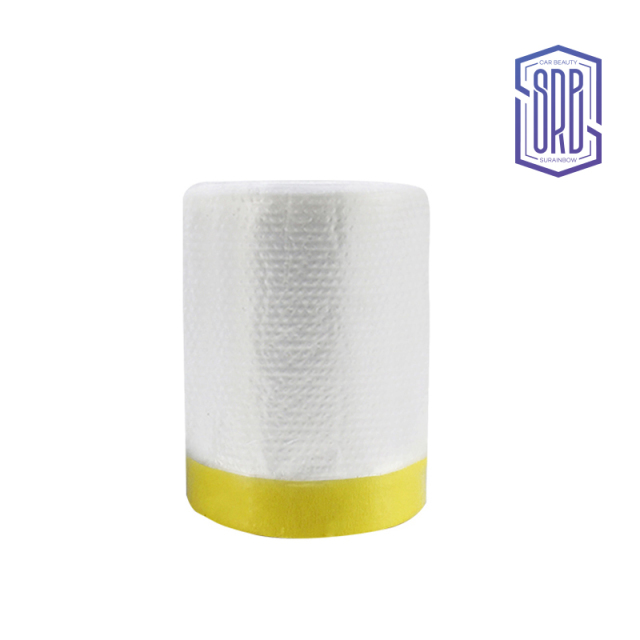
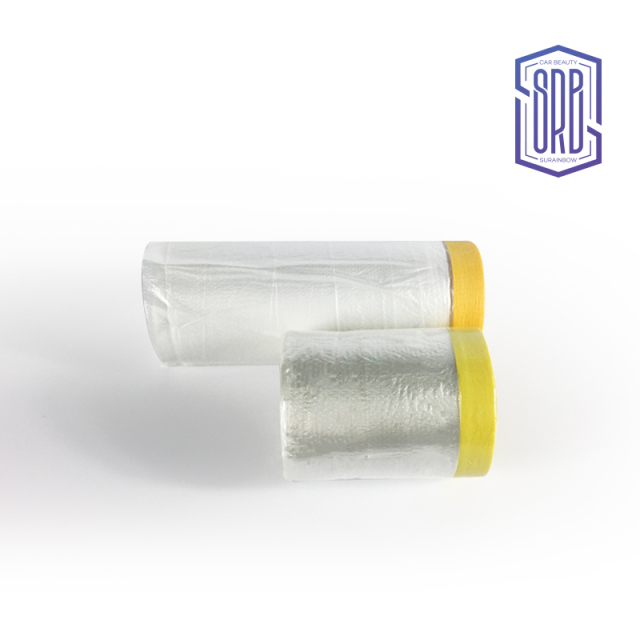
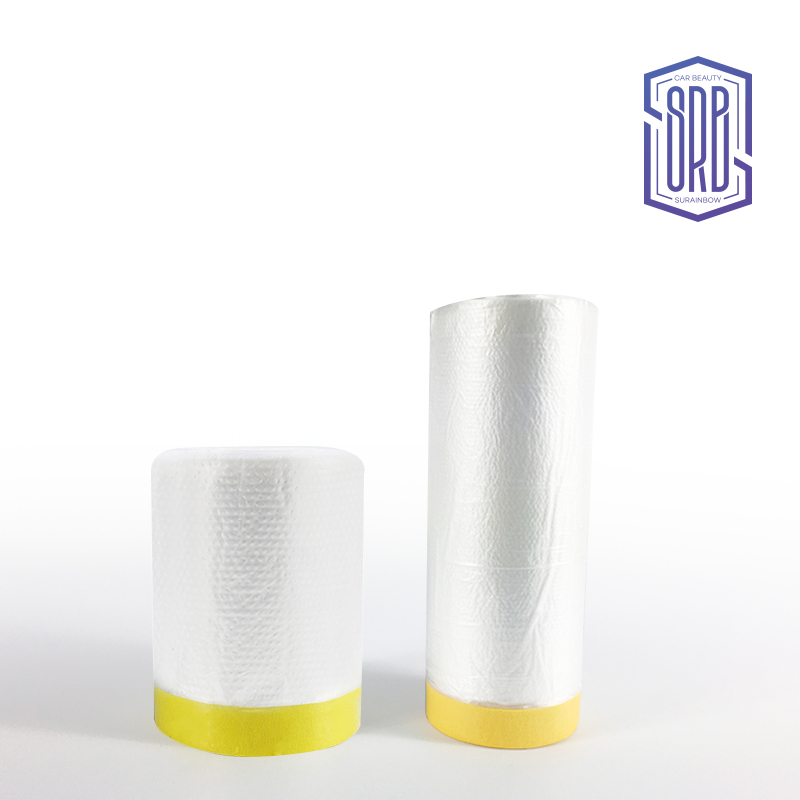
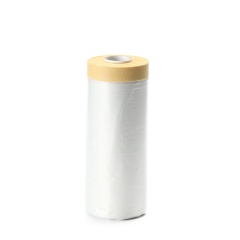
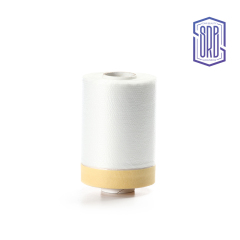
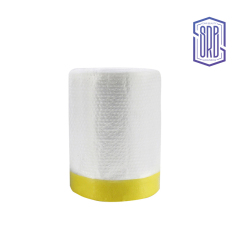
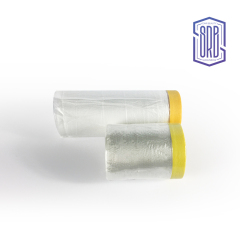
P110 Shielding Film is a white polyethylene sheet supplied in compact rolls for masking a car body before polishing, coating or spray work. Cut a length, press it along the edge you want to keep clean, and the film takes the compound, the overspray and the hand contact instead of the paint. It is job-time masking rather than a permanent paint protection film: it goes on when the work starts and comes off when the panel is finished. The material is a polyethylene masking film in the PO grade listed in the specification, the family of films car-care workshops have masked with for years. It is light and flexible, tears quickly against a straight edge, and lies flat across a curve, a door shut or an arch liner without a dispenser. At the end of the job it lifts away as one piece rather than shredding into fragments. This is the heavier of our two white film grades, and the weight is the point. Extra body keeps a length of film flat along an edge through a rotary pass or a spray pass instead of letting it curl back at the corner where it was first pressed. On a quick cover that only has to sit for a few minutes a lighter film is enough; where the film has to hold its place across a whole panel, this grade is the one to reach for. Detailing bays, body and paint shops and mobile units all work with it the same way: mask what must stay clean, work the panel, peel the film back. Distributors restock it as wholesale paint protective film because one grade covers masking, edge protection and quick spray covers, which keeps a shelf simple and a reorder predictable. As a car masking film supplier we print to the artwork you approve before the run starts, so the carton reaching your customer carries your brand and your barcode rather than a generic wrap. Made for spray work — the white face gives a painter a visible boundary, so the same roll works as a car spray masking film around door shuts, glass rubbers and badge recesses where overspray shows up first. Heavier body — this grade stays where it is pressed, so one layer covers a job that a thinner film would need doubled. Cuts and tears cleanly — a blade against a straight edge gives a true line, and a quick tear by hand is enough for a rough cover where the boundary is not on show. Own-label ready — cartons, labels and barcode data can carry your brand, and we run this as a custom car masking film manufacturer for buyers building an accessory line. Compact roll form — each piece is wound on a cardboard core and held with a band, so it drops into a drawer or a toolbox and does not unwind inside the carton. Fine around trim — narrow enough to work around mirrors, handles and bumper corners, where a wide master roll only gets in the way.
Applications
- Compounding and polishing — run a strip of car paint masking film along a panel gap, a door shut or a badge before the pad starts, and the compound stays out of the seams a brush cannot reach afterwards.
- Spray and refinish work — used as a car spray masking film over glass rubbers, handles and trim when a panel is being blown in rather than fully refinished.
- Coating and ceramic work — cover the textured plastics, arch liners and rubber that a coating should not touch, then peel back once the panel has flashed off.
- Two-tone and partial panels — automotive masking film lets a shop set a hard line and work one area without disturbing the finish beside it.
- Wet sanding and decontamination — a film barrier over the surrounding panels keeps slurry and clay lubricant off surfaces that have already been corrected.
- Trade counters and resale — distributors keep it on the shelf next to compounds and pads and sell it on as wholesale paint protective film, so the carton has to look presentable as well as work.
- Mobile detailing — a compact roll that fits a van drawer and can travel in the same order as compounds and pads from one car masking film supplier.
Masking Workflow
- Clean and dry the boundary. Film holds on dust and it holds badly on wax, so wipe the strip you intend to cover and let it dry before anything is laid down.
- Cut to the length you need. A blade against a straight edge gives the cleanest line; a hand tear against the roll edge is fine where the boundary will not be seen.
- Press the edge first, then smooth outwards. Setting automotive masking film along the line you must protect, and working away from it, keeps the film flat where it matters and leaves the slack at the outer edge.
- Overlap each pass and press the seam. Overlaps stop compound or overspray creeping between two lengths of car paint masking film, and they come away in one piece when the job is done.
- Check the boundary before the machine or the gun starts. A polyethylene masking film that has lifted at one corner will lift further once a pad or a spray gun is working next to it.
- Peel back at a low angle while the panel is still cool. Pulling straight up, or leaving the film on through a hot afternoon, makes a clean removal harder than it needs to be.
Storage & Handling
Store the cartons closed, flat and out of direct sun. Film that has sat on a window sill or in the back of a van through a hot week handles differently from stock kept in a shaded bay, and the difference shows on the first panel.
Date each carton when it arrives and open the oldest first. A polyethylene masking film kept dry and shaded is still usable late in its life, but stock that has been on the shelf for years gets skipped over by a busy bench unless the rotation is obvious.
Keep heat away from it. A workshop heater, a hot vehicle cab or a sunny shelf softens the film and makes it harder to lay flat along a straight edge; a shaded, dry store avoids the problem entirely.
A part-used roll belongs back in a drawer rather than on the bench. Compound sling, polish mist and grinding dust settle on an open roll and end up on the next panel it touches.
Check a badly stored carton before it goes near a finished surface. Film that has blocked together, picked up grit or lost its edge costs more in rework than the piece is worth, and the check takes seconds.
Specifications
| Specification | Detail |
|---|
| Product name | P110 Shielding Film |
| Model | T-652 |
| Brand | SURAINBOW |
| Material | Polyethylene (PO) |
| Colour | White |
| Form | Rolled film piece |
| Item size | 10 × 10 × 2.5 cm |
| Unit weight | 0.24 kg |
| Main use | Shading car body surfaces during detailing and paint work |
| Shelf life | 3 years |
| Design style | New China-Chic |
| Place of origin | Guangdong, China |
Ordering & Delivery
- Set the quantity. This grade is ordered in multiples of 20 pieces, with 20 pieces as the minimum order, so a first box and a season's stock go through the same route.
- Confirm the packing. Boxes hold 100 pieces, and a batch carton measures 67 × 15 × 25 cm at 5.5 kg gross — the format most buyers of wholesale paint protective film already plan freight and shelf space around.
- Choose the label. Cartons ship with the SURAINBOW label or with yours; as a custom car masking film manufacturer we review artwork, label copy and barcode data before the first run.
- Confirm the documents and keep the batch details. Tell us which paperwork your market asks for, such as a safety data sheet or a composition statement, and we will confirm what can travel with the shipment; the batch details on the carton are what a follow-up is matched against.
- Plan the delivery. In stock and fast shipping, with the method and schedule for your destination confirmed by your sales contact before release. If you want to check the film against your own panels first, ask about sample availability when you send the quantity.
Scale & Supply Capability
SURAINBOW is run by Guangzhou Liangdian Automotive Supplies Co., Ltd., a factory-trade operation set up in Guangzhou in 2010 and now 50 people strong. Sixteen years in car care have given us a one-stop supply position: our own SURAINBOW lines are held in stock for fast shipping, and an associate factory with modern production equipment and an established quality management system keeps replenishment moving. We take OEM and ODM work and our R&D team develops to your specification. Buyers in the Middle East, the United States, Southeast Asia, Europe, the UK, Russia, Africa and Australia already order from us.
FAQ
What kind of work is this film designed for?
Masking the parts of a car that polish, compound, coating or spray should not reach. A length of car paint masking film goes along a panel gap, a door shut, a glass rubber or a badge, and the work happens next to it rather than over it. It is a job-time cover rather than a long-term paint protection film, so it goes on when the panel is being worked and comes off once the panel is finished.
Is it supplied as a roll or as flat sheets?
Every piece is a compact roll wound on a cardboard core and held with a retaining band, so it does not unwind inside the carton. The roll is small enough to live in a drawer or a toolbox and is unwound along the panel as you work. Nothing has to be cut from a master roll before the job can start.
Why choose the heavier grade over a lighter film?
Body. A heavier automotive masking film stays flat along an edge through a rotary pass or a spray pass and does not curl back on itself while you are working one-handed. On routine masking where the film only sits for a few minutes a lighter grade is enough; on longer jobs and on vertical panels the extra weight is what keeps the boundary where you put it.
Can it be used in a spray booth?
Yes — it is used as a car spray masking film over door shuts, glass rubbers, handles and trim when a panel is being blown in. Tell your sales contact which paints and solvents the booth runs and we will confirm suitability for your process before the order is placed.
Can the cartons carry our own brand?
Yes. Cartons can go out with your label, your artwork and your barcode data. As a car masking film supplier we handle own-label runs alongside SURAINBOW stock and review the artwork with you before the first carton is printed.
Can we order a different size or format?
We work as a custom car masking film manufacturer, so it is worth asking. Send the width, length or fold your process needs, together with the panel size you usually mask, and we will come back with what is possible and how it would be supplied.