Product Overview
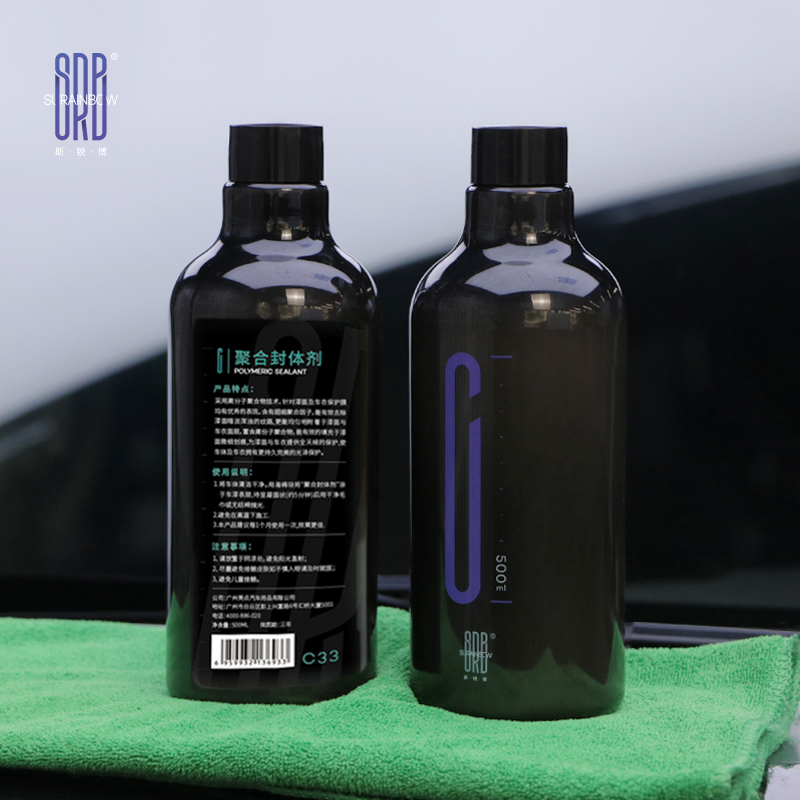
For workshops maintaining customer vehicles and owners caring for their own cars, Polymer Paint Sealant Wax 500 ml provides a dedicated paint protection treatment after cleaning and any necessary correction. Identified as model C-33, this liquid synthetic wax uses an ultrafine polymer system to add a protective film that helps protect automotive paint through everyday weather exposure and preserve its freshly detailed appearance. A pointed dispensing tip allows controlled application onto the tool specified in the bottle instructions, with consumption varying according to vehicle size, surface condition, applicator and application method. Protection depends on preparation, use and subsequent care, so routine washing remains necessary, and the sealant does not replace detergent cleaning or abrasive polishing.
Polymer Paint Sealant
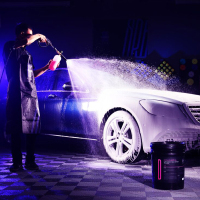
Prepared automotive paint benefits from a separate finishing treatment after cleaning and any necessary correction. Our liquid car wax adds a protective film rather than asking a wash product to perform every detailing task.
The polymer treatment helps protect the painted finish through everyday weather exposure and preserve its freshly detailed appearance. Protection remains dependent on preparation, use and subsequent care; it is not a permanent barrier against damage.
For workshops maintaining customer vehicles and owners caring for their own cars, this synthetic wax for cars belongs in the paint-protection stage. Routine washing remains necessary after treatment, because a protective finish does not remove road dirt or replace normal maintenance.
Paint protection is the purpose of this auto wax; detergent cleaning must be completed separately. car polish vs wax is a distinction between tasks: abrasive polishing addresses defects in the finish, while a sealant is applied for protection after the required preparation. A wash-and-wax shampoo combines washing with a maintenance treatment; it should not be assumed to provide the same application or result as a dedicated sealant. Polymer terminology does not establish ceramic or graphene content, and this treatment should not be treated as interchangeable with those coating systems. Machine-polishing speeds, cutting pads and compound instructions do not transfer to this sealant merely because all are used on exterior paint.
Model Identification
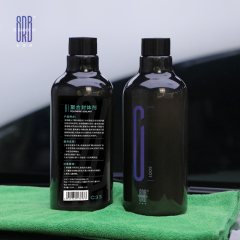
- C-33 is the hyphenated identifier used for this sealant; match the model as well as the product name when identifying the bottle.
- The English product wording “Polymeric Sealant” helps distinguish the treatment from similarly named cleaning and polishing liquids.
- Rear-label instructions belong to the bottle being used; do not substitute directions from another treatment in the range.
- For car wax wholesale buyers, a matching brand name or a shared manufacturer does not establish that two bottles contain the same formula or serve the same detailing task.
Volume & Dispensing
A pointed dispensing tip allows the liquid car wax to be directed onto the application tool specified in the bottle instructions. Work with a clean tool and keep the tip away from dirty surfaces to avoid transferring grit into the treatment process.
The stated volume describes the bottle contents, not a guaranteed number of vehicles or treated area. Consumption varies with vehicle size, surface condition, applicator and the approved application method. Net mass should not be inferred from liquid volume.
When using this wax for cars, controlled dispensing is preferable to assuming that a heavier application will improve the result. Use the instructed amount and return unused product handling to the bottle directions rather than improvising a dosage.
Polymer Coating
High-polymer technology underpins the formulation of this wax for cars, with an ultrafine polymer system used for the paint-finishing treatment. The formula description does not establish a measured particle size or a particular polymer concentration.
As a synthetic wax for cars, the treatment should be understood through its complete formulation and application instructions rather than through assumptions about natural wax ingredients. No specific resin, solvent, silicone or carnauba content is stated here.
For car wax wholesale orders, request the product-specific safety data sheet and any required ingredient declaration from the car wax manufacturer for chemical handling and market review, with availability and disclosure scope agreed for the destination. Follow the applicable label and safety guidance for ventilation, personal protection and accidental exposure; gloss or water repellency does not establish a chemical-safety classification.
Finish Advantages
- High gloss gives prepared paint a brighter, more reflective appearance, making this car care wax a finishing treatment rather than a substitute for cleaning an obscured or contaminated surface.
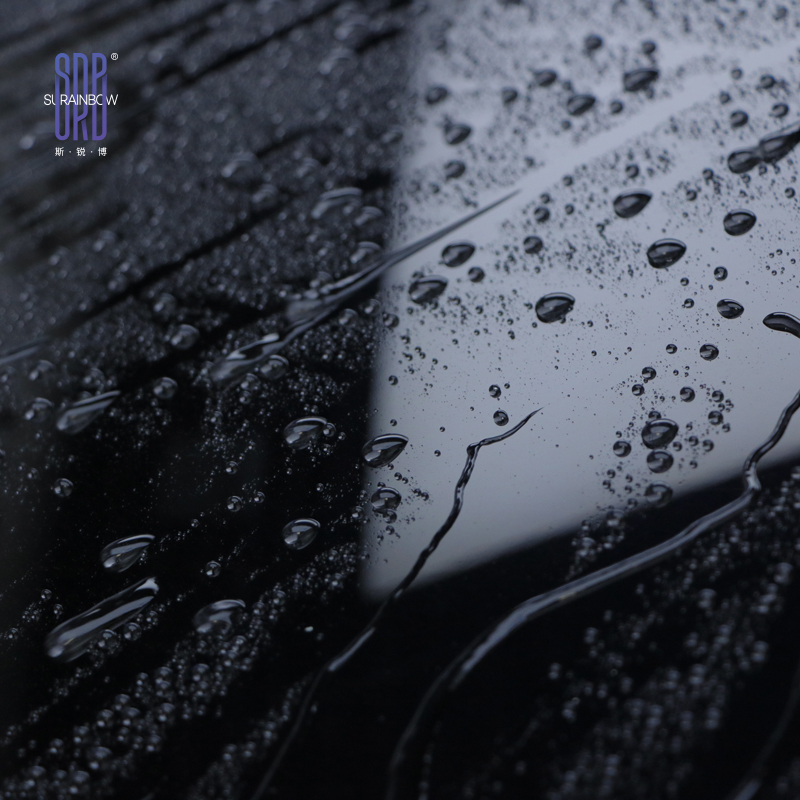
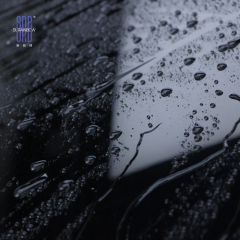
- Hydrophobic polymer action encourages water beading on the treated finish. Beading describes how water behaves on the surface; it does not mean that standing water can never leave marks.
- Fine scratches and swirls can become less noticeable as the finish takes on a more uniform appearance. When weighing car polish vs wax, note that this appearance benefit is not a claim that deep scratches, sanding marks or damaged paint have been abrasively removed.
- High efficiency refers to the paint-finishing task, without a stated reduction in labor time or product consumption. A clean, properly prepared surface helps avoid unnecessary rework.
- A more even-looking finish is the intended result, but the underlying paint condition still matters. Existing chips, failing clear coat and other physical damage remain separate repair issues.
- Bottle volume | 500 ml Finish | High gloss for a brighter painted appearance Water behavior | Water-repellent finish with water-beading action Cosmetic effect | Helps reduce the appearance of fine scratches and swirl marks Efficiency | High-efficiency formulation Carton packing | 24 bottles per carton
Application Steps
- Wash the vehicle thoroughly and remove loose dirt before handling the paint with application tools; trapped grit can mark the finish.
- Inspect the clean surface and complete any necessary contamination removal or paint correction using the instructions for those separate products.
- Read the sealant label before starting. Obtain the product-specific applicator, dilution or ready-to-use status, dosage, removal method and curing guidance rather than borrowing values from another wax for cars.
- Trial the instructed method on a discreet area, checking for an even finish and satisfactory residue removal before treating a larger section.
- Apply and finish the auto wax in manageable sections according to the bottle directions, keeping application tools clean throughout the job.
- Inspect the completed surface under consistent lighting and observe the instructed restrictions before exposing the treatment to washing or water.
Car Paint Surface
Automotive paint is the intended treatment surface for this synthetic wax for cars. Compatibility should be established for the actual paint system and its condition, particularly when a panel has been repaired or recently refinished; follow the paint supplier’s curing and aftercare requirements.
Paint film and paint-protection film should not be treated as automatically equivalent. For a wrapped or PPF-covered vehicle, check the film manufacturer’s instructions and the sealant’s suitability for that exact film before use.
Matte and satin finishes need particular care because a gloss-enhancing treatment can alter their intended appearance. Glass, textured exterior trim, rubber, leather and interior surfaces are outside the stated application and should not be included merely because they are adjacent to painted panels.
A separate compatibility check is also appropriate over an existing coating. Products already on the vehicle can affect appearance and application behavior, so universal layering compatibility should not be assumed.
Packing & Delivery
- Packing is 24 bottles in a carton. For car wax wholesale orders, agree the applicable minimum order quantity and the required bottle, label and carton configuration in the quotation.
- Our company-wide supply service: In stock and fast shipping. Availability for this sealant and the dispatch schedule remain subject to the specific order.
- Sample Testing & Approval: Trial the car care wax on the intended paint system using recorded preparation, application and inspection conditions. Review handling, residue removal and the agreed acceptance criteria; ask for current sample terms before arranging a trial.
- Packaging Proofs & Approval: Packaging design, proofing and physical checks can be discussed according to product compatibility and order scope. Agree the closure, artwork, label language, barcode and carton-mark version before approving production; item-specific customization is not automatic.
- Balance, Dispatch & Documents: Finalize the payment schedule and balance status, inspection arrangement, consignee details, transport method and document list before shipment. Destination-specific review may cover SDS, ingredient declarations, GHS label information, commercial invoice, packing list and customs documents; the applicable set depends on the product, market and agreed terms.
- Market Requirements: Transport acceptance and local labeling or registration obligations must be checked for the destination. Document preparation does not replace the importer’s responsibility to establish local regulatory suitability.
- After-sales & Batch Traceability: Keep the order reference and bottle batch identification where provided. A concern should include the affected quantity, clear photographs or video, and a description of handling and use; agree any required batch records, retained-sample arrangements and follow-up terms with the order.
Scale & Supply Capability
We are Guangzhou Liangdian Automotive Supplies Co., Ltd., an integrated manufacturing and trading company founded in Guangzhou in 2010. With 50 employees, we supply a broad range of car care products to distributors, wholesalers and brand owners. Our range lets you source across categories through one supplier, with in-stock options and fast shipping. Alongside our SURAINBOW brand, we offer OEM/ODM customization, supported by a professional R&D team that can design and develop products around your requirements.
Each bottle contains 500ml of polymer paint sealant.
FAQ
Where does this sealant fit into a workshop’s paint-care process?
This sealant belongs in the paint-protection stage, after cleaning and any necessary correction. Its liquid synthetic wax formulation adds a protective film that helps protect automotive paint through everyday weather exposure and preserve its freshly detailed appearance. It does not replace detergent cleaning or abrasive polishing, and routine washing remains necessary after treatment. Protection depends on preparation, use and subsequent care.
Is the polymer formulation equivalent to a ceramic or graphene coating?
The polymer description does not establish ceramic or graphene content. This sealant uses an ultrafine polymer system for paint protection, but it should not be treated as interchangeable with those coating systems. The formulation description also does not establish a measured particle size or a particular polymer concentration. Select it for the stated synthetic wax treatment rather than assuming properties associated with other coatings.
How can we identify the correct product when comparing similar bottles?
C-33 is the model identifier for this sealant, and the English product wording is “Polymeric Sealant.” Match both the model and product name when identifying the bottle. A shared brand or manufacturer does not establish that similar bottles contain the same formula or perform the same detailing task. Application directions should come from the rear label of the bottle being used.
Can we use the 500 ml volume to estimate how many vehicles one bottle will treat?
The 500 ml volume states the bottle contents, not a guaranteed vehicle count or treated area. Consumption varies with vehicle size, surface condition, applicator and application method. The pointed tip supports controlled dispensing onto the tool specified in the bottle instructions. Follow the instructed amount rather than assuming a heavier application improves the result, and do not infer net mass from liquid volume.