Product Overview
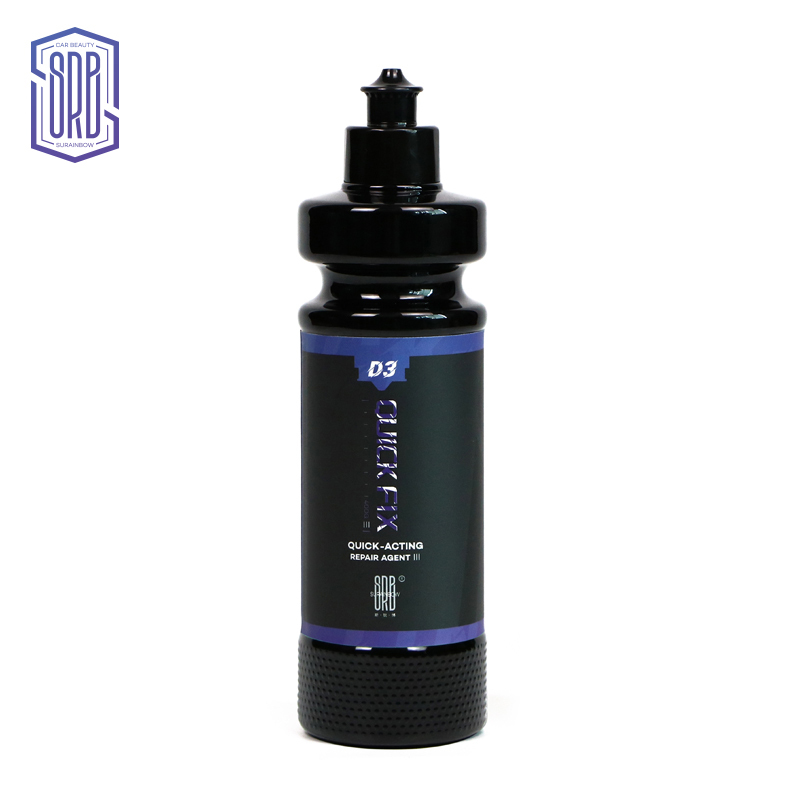
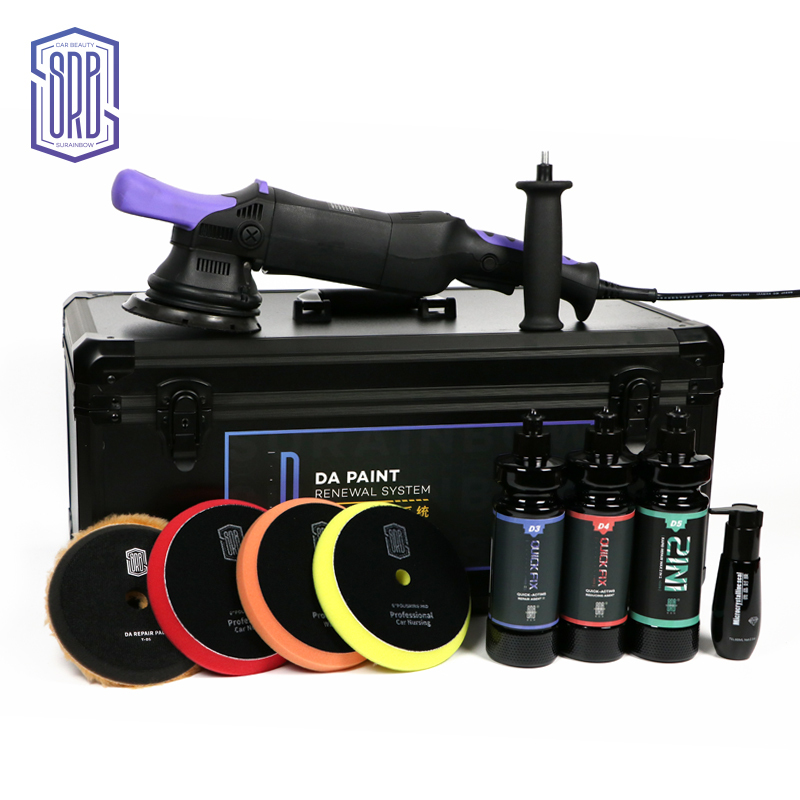
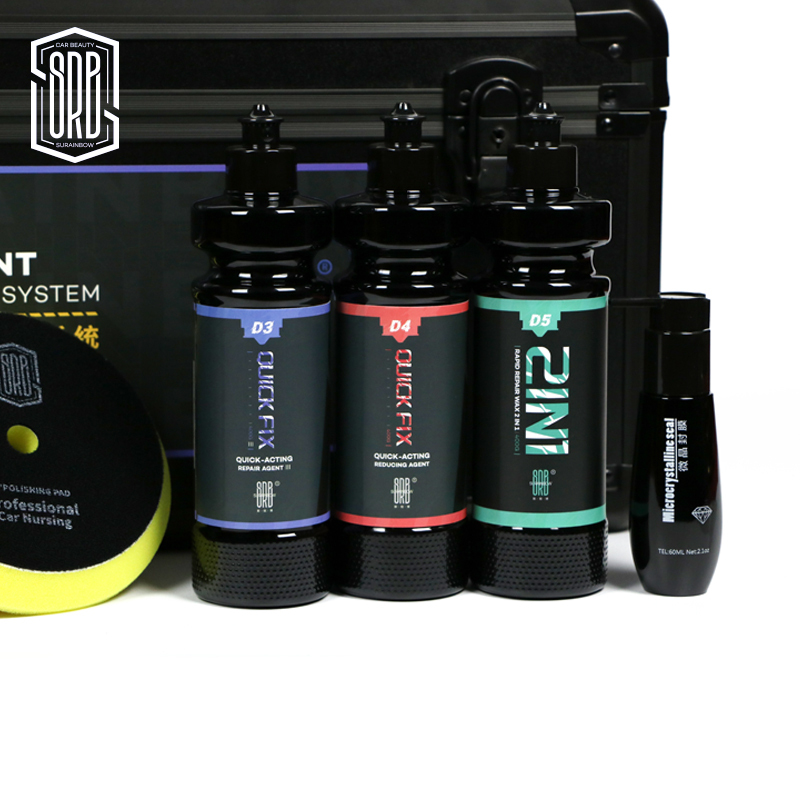
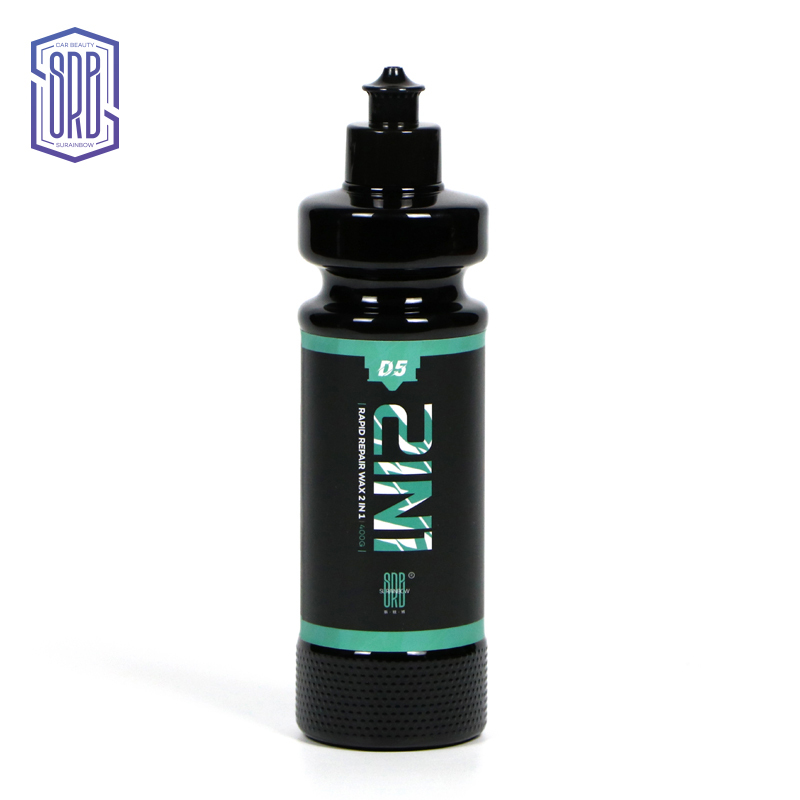
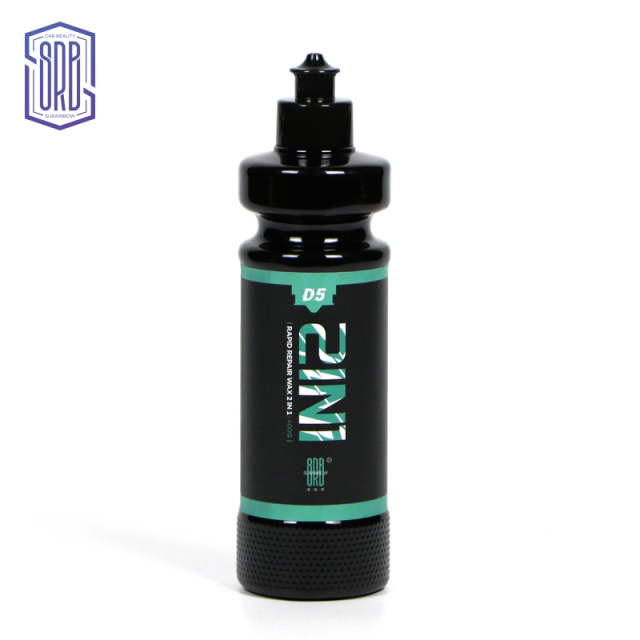
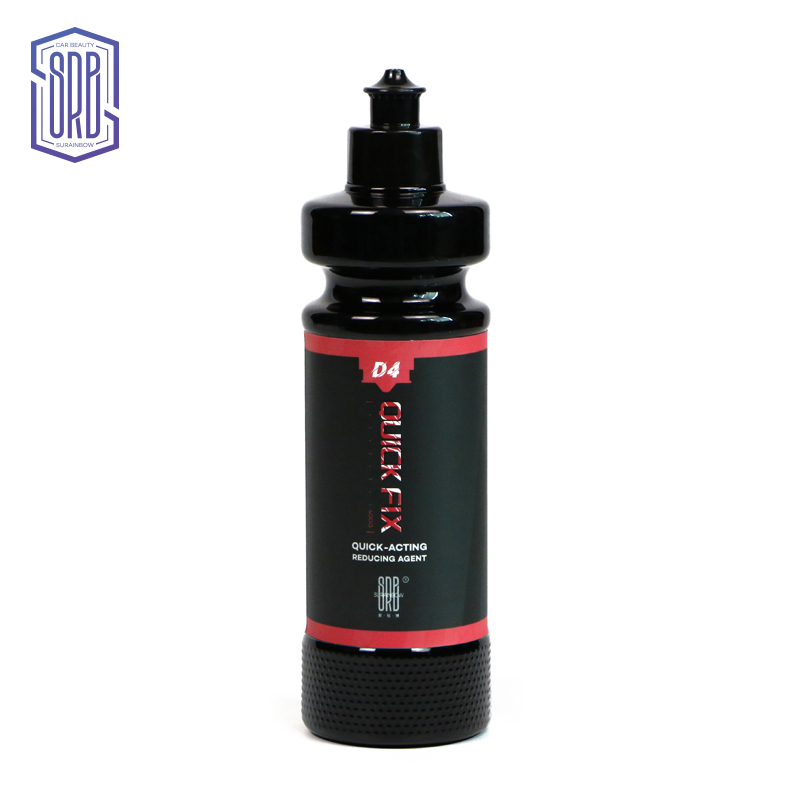
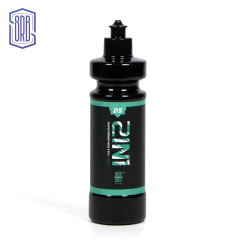
Paint polishing and waxing are handled in the same pass with this quick-acting reducing agent, which is made for automotive paint rather than for glass, chrome or trim. quick-acting mirror reducing agent D4 is sold for car polishing, waxing and scratch removal on the paint surface, which puts it at the finishing end of a detail rather than at the heavy-correction end. The "mirror" in the name describes the reflective, mirror-like gloss it leaves on a panel; it does not mean the product is used on mirrors or glass, a distinction worth making when a shop writes its process sheet. Each unit is a 0.4 kg black dispensing bottle, the pack size a detailer works through over a run of vehicles rather than a workshop drum. Detailing shops and pre-delivery teams apply it to paint that has already been washed and decontaminated, where what remains is gloss and the removal of light surface marks. Distributors and brand owners take it as a repeatable line: the same fill, the same bottle and the same label order after order, which keeps the shelf looking consistent across a region. Inside a polish range it serves as the gloss step between a heavier compound and a protective topcoat, so the buyer is paying for the finish a customer actually sees in daylight.
Key Features
- Quick-acting working cycle: the product is designed to be worked and buffed off in the same session, which suits a bay where every vehicle has a fixed slot and a finish cannot sit overnight.
- Polishing and waxing together: it is sold for both car polishing and waxing, so the gloss pass also leaves the protection a separate car wax would normally add at the end of the job.
- Light scratch removal on paint: it is also sold for scratch removal on the paint surface, which covers wash marring, towel marks and the light surface scratches a paint scratch removal wax is usually bought for.
- Mirror-style gloss on paint: the finish is the reason to buy it, a reflective wet-look surface that shows most clearly on dark colours and metallics.
- Metered dispensing: the narrow pointed tip lets a technician place product exactly where the pad needs it instead of pouring from an open container, which cuts waste and keeps the bottle clean between jobs.
- Three-year shelf life: sealed stock carries a three-year expiration date, which gives a distributor room to hold cartons and reorder on a normal cycle.
- Own-label supply: the same fill is available as an oem car polishing wax under a buyer's own label, so a distributor can build a polish line without a separate development project.
Specifications
| Property | Detail |
|---|
| Model | D4 |
| Product name | quick-acting mirror reducing agent D4 |
| Brand | SURAINBOW |
| Product type | car wax / car care product |
| Stated uses | Car polishing and waxing; scratch removal on paint |
| Surface | Automotive paint |
| Weight | 0.4 kg per bottle |
| Shelf life | 3 years, expiration date marked on the unit |
| Origin | Guangdong, China |
| Safety documentation | MSDS |
| Dispensing | Pointed-tip squeeze bottle for metered application |
| Pack quantity | 12 pcs per carton |
| Carton dimensions | 33.5 x 24 x 28 cm |
| Carton gross weight | 11.800 kg |
Where It Is Used
Dealers and used-car managers reach for this product when a vehicle has to look right for photographs and handover and the paint is sound but flat. In a detailing shop it runs after washing, tar removal and clay, on the panel that needs gloss rather than correction, and it is the pass that makes a car look finished before the customer collects it. Where a ceramic or graphene coating follows, the same gloss pass lifts the reflection before degreasing and coating, so the coating goes onto a surface that already reads clean and even. Body shops and smart-repair units use it on fully cured refinish work to bring a repaired panel back in line with the panels beside it. In an express wash it becomes the paid upgrade after the wash, the step a customer would otherwise buy as a spray car wax at the counter. Distributors and e-commerce sellers stock it for the same practical reason: it is a consumable that moves alongside pads, towels and applicators, and a customer who runs out reorders the same bottle.
Application Steps
- Wash the vehicle and dry the paint fully, then move it into shade so the panel is cool to the touch before any product goes on.
- Inspect the panel under a bright light and mark the areas that need attention, so the pass is aimed at real marks instead of being spread over the whole car.
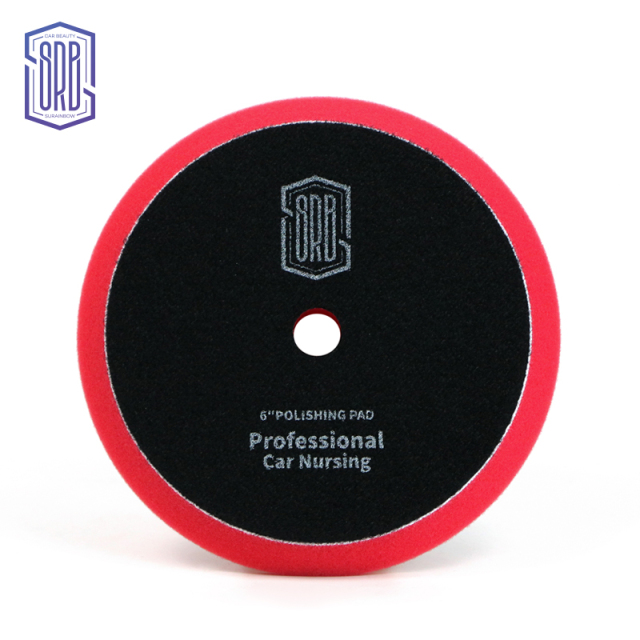
- Shake the bottle and dispense a small amount through the pointed tip onto a soft foam or microfiber pad, adding more only when the pad stops spreading product evenly.
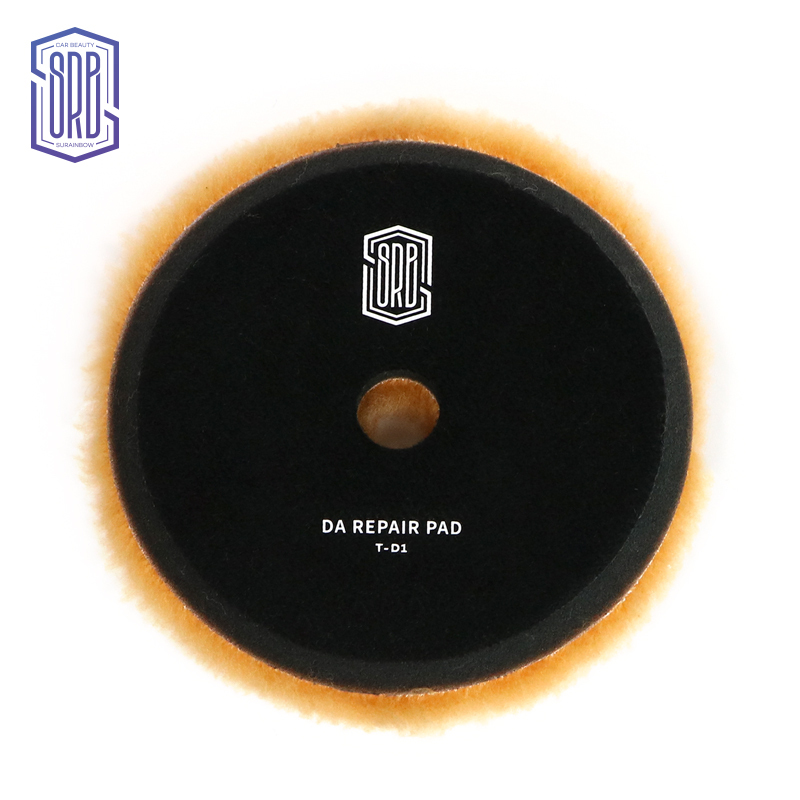
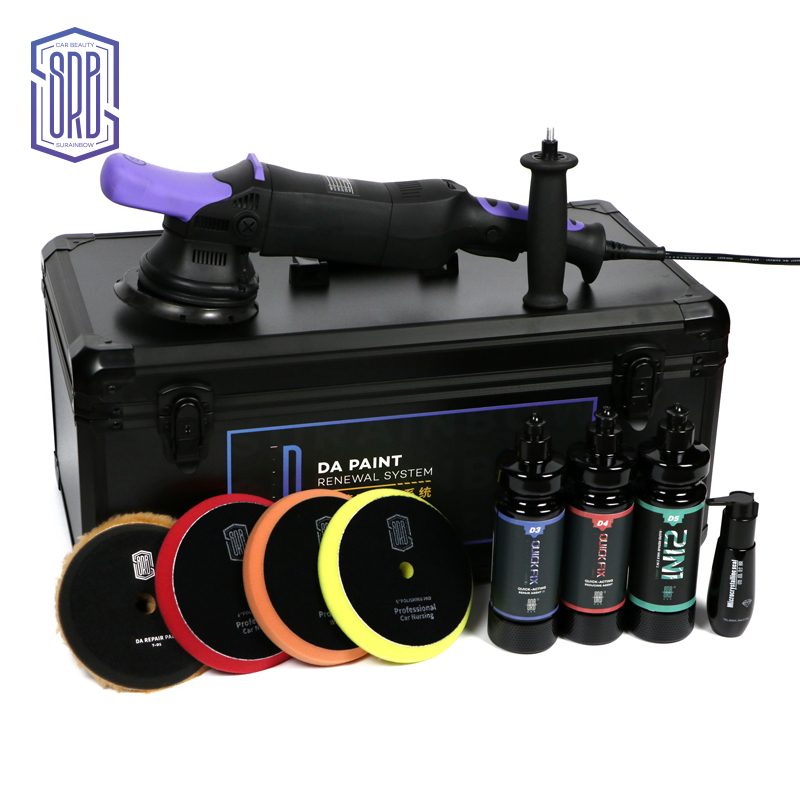
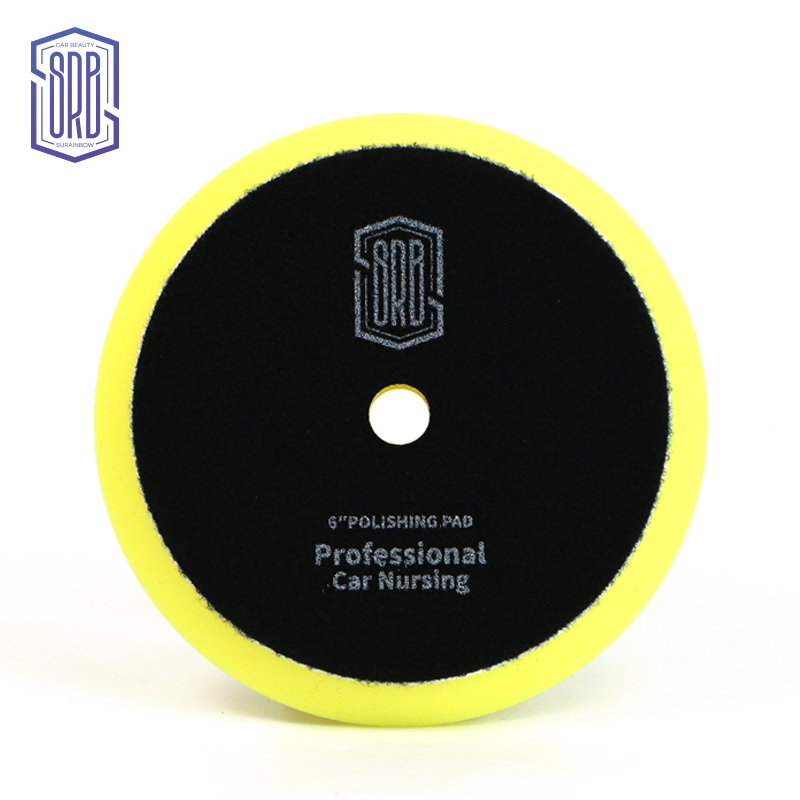
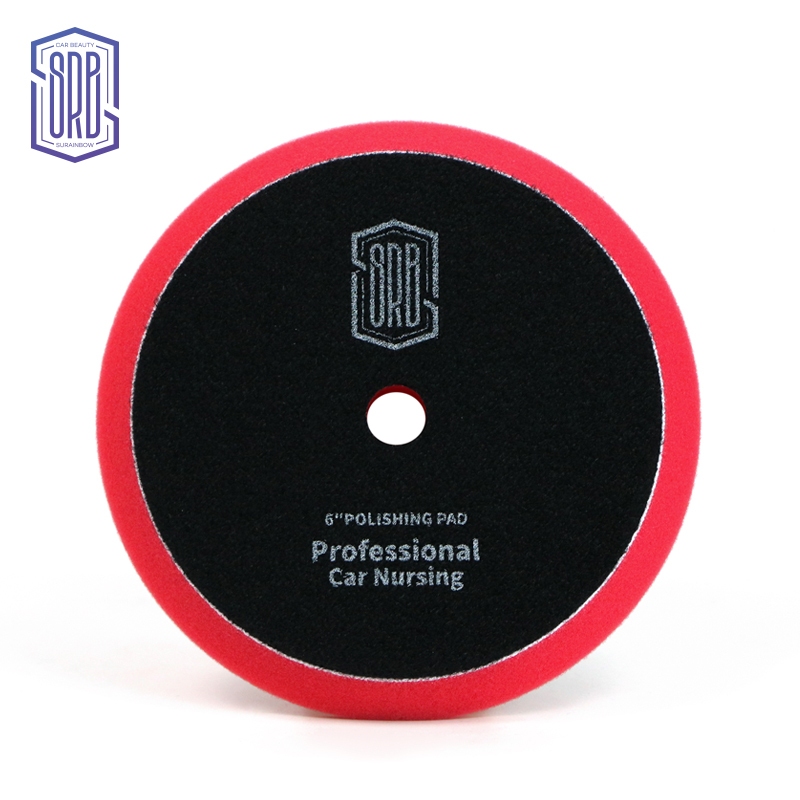
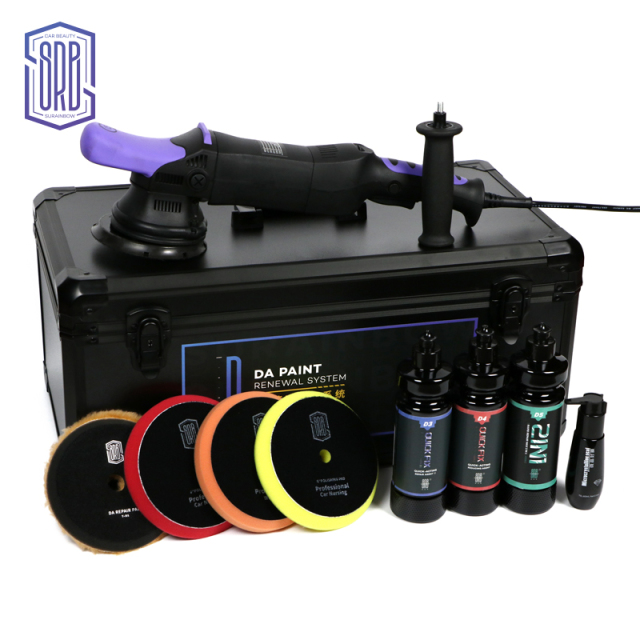
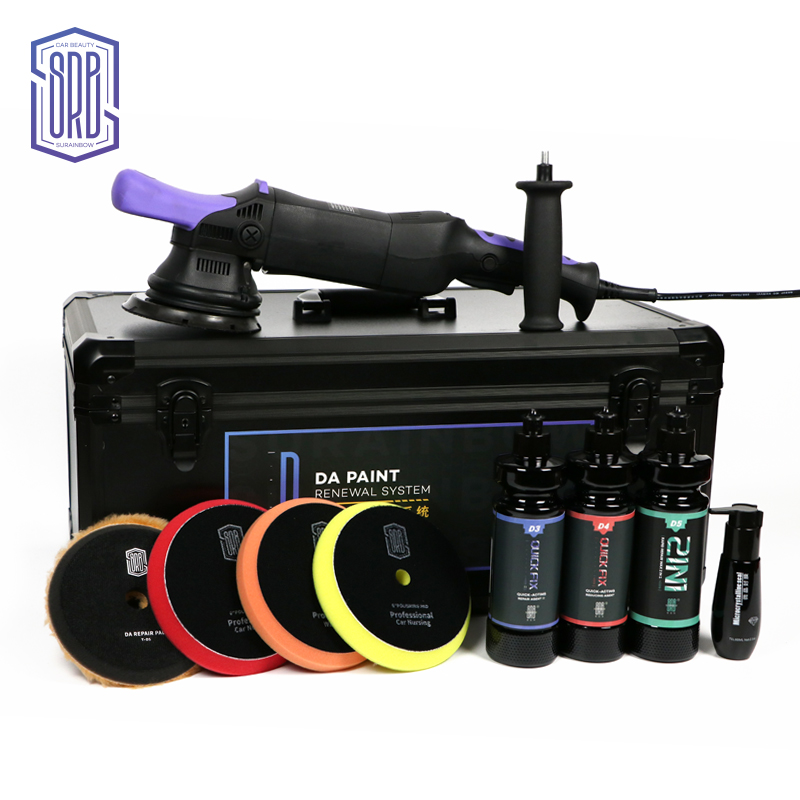
- Work one section at a time with overlapping passes and light, even pressure, keeping the pad flat against the panel; on larger areas a dual-action polisher with a soft finishing pad covers the section faster and more evenly than hand work.
- Buff the residue off with a clean microfiber towel before it sets hard, turning to a fresh face of the towel as it loads up, then finish with a light final wipe across the section.
- Check the section from a low angle in daylight; if the gloss looks uneven, repeat with a fresh pad rather than pressing harder.
- Test the pad, machine speed and working time on one panel before running a whole vehicle, because paint hardness and condition vary between makes and a test spot shows how the product behaves on that finish.
Polish Series Comparison
- Start from the task, not the number: order this version when the panel needs gloss and light surface marks lifted, and the finish is the deliverable the customer pays for.
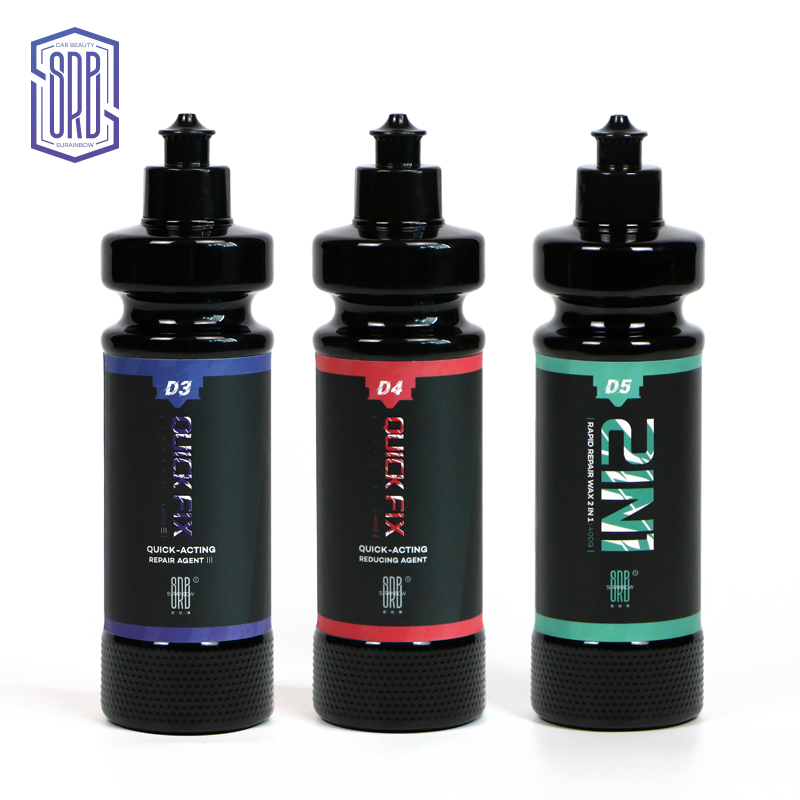
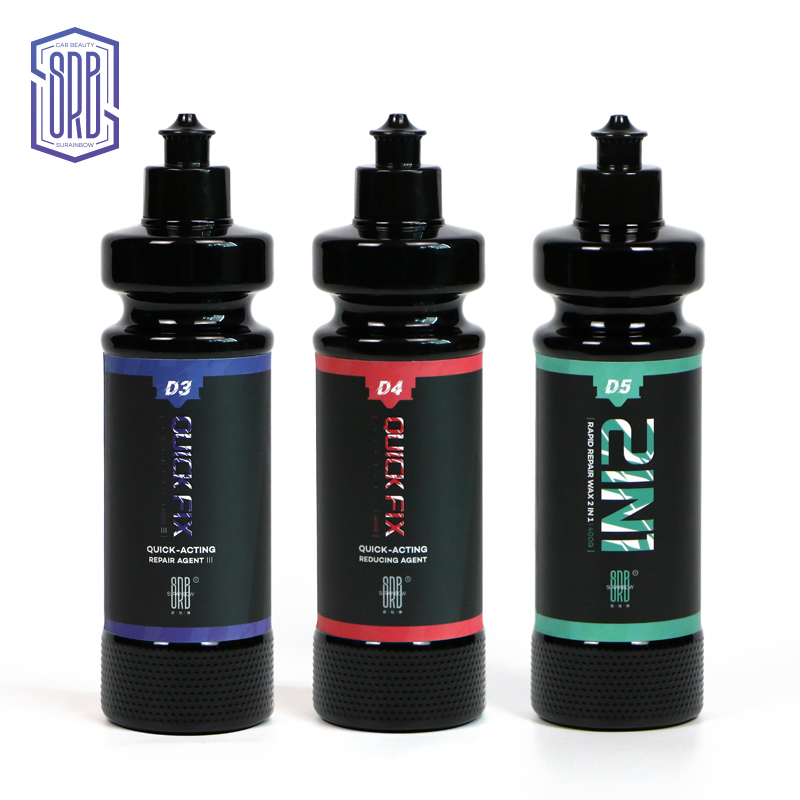
- Repair-led items: the repair agent in the same series is built around paint repair as the main job, so it is the one to pick when correction comes before finish rather than after it.
- Renewal wax items: the two-in-one renewal wax pairs renewal with waxing; if a single combined step fits the bay better than a polish-led finish, compare the two before ordering.
- Light-mark briefs: where the buyer's brief is a paint scratch removal wax that also brings up gloss, this product covers both sides of that job on the paint surface.
- Own-label route: brand owners can take the same fill as an oem car polishing wax under their own label, with the artwork agreed before the run.
- Not a fixed sequence: these items are not three compulsory steps of one process, so choose by the task in front of the bay rather than by number order.
Documents & Batch Records
| Safety documentation | MSDS supplied for this product |
| Batch number | Recorded for each production run and quoted in any follow-up |
| Retained sample | Kept against the approved reference for later comparison |
| Certificate of analysis | Prepared where the order or destination market asks for one |
| Label and carton file | Approved artwork held on file so a reorder matches the first run |
| Mixed shipments | Packing list checked item by item before the shipment is consolidated |
| After-sales report | Order reference, batch number, affected quantity and photos speed up the review |
Packing & Ordering
- Match the item against the product you are adding or replacing, then build the quantity up from the 60-piece minimum so the order can be scheduled without a revision.
- Count in cartons: 12 bottles go into each carton, and a carton measures 33.5 × 24 × 28 cm at 11.800 kg gross, which is the figure to use for pallet builds and freight quotes.
- Approve a sample first, then check how the product works on your own paint and equipment before the bulk run is released.
- Sign off the packaging: bottle label, carton print and shipping marks are proofed and approved before printing, so the first run and the reorder carry the same presentation.
- Settle the balance and confirm the handover: dispatch is released once the balance is settled and the document set agreed at quotation, including safety data, packing list, invoice and any certificate your market requires, has been checked against the order.
- In stock and fast shipping covers the stock lines we hold, so repeat buyers can reorder the same carton without waiting for a fresh production run.
- Mixed orders can be consolidated: as a car wax supplier we can review this item alongside other polish, wash and tool lines so one shipment covers the whole brief, with the packing list checked item by item.
Scale & Supply Capability
We are Guangzhou Liangdian Automotive Supplies Co., Ltd., an integrated manufacturing and trading company founded in Guangzhou in 2010. With 50 employees, we supply a broad range of car care products to distributors, wholesalers and brand owners. Our range lets you source across categories through one supplier, with in-stock options and fast shipping. Alongside our SURAINBOW brand, we offer OEM/ODM customization, supported by a professional R&D team that can design and develop products around your requirements.
FAQ
Is this a polish or a wax?
Both jobs are covered on paint, polishing and waxing, and in practice it works as the gloss step: worked over the section, buffed off, and the panel is left reflective. A shop looking for a paint scratch removal wax and a finishing polish can use one bottle for the whole pass instead of switching products halfway through.
Can it be used on glass, chrome or plastic trim?
No. The product is made for the paint surface only, so keep it off glass, unpainted plastic and bare metal. Where a customer wants a finish on another substrate, as a car wax supplier we can point you to the right item in the range instead of stretching this one beyond its purpose.
Does it replace the separate wax stage in our process?
On sound paint, yes. The wax step at the end of a finishing pass can be covered by this product, so a bay that already runs a polish does not need a second bottle for protection. Where the paint needs heavier correction first, a repair-led product does that work before this one goes on.
Can it be supplied under our own brand?
Yes. The same fill goes out as an oem car polishing wax under a buyer's own label, and the parts that usually change are the bottle label, the carton print and the shipping marks. Label language and any claims on pack stay with the buyer, and the approved artwork is held on file so the reorder matches the first run.
How long can cartons be kept in stock?
Sealed stock carries a three-year expiration date. Keep cartons closed and out of direct sun, rotate older stock to the front, and check any bottle that has been opened and left in a hot bay before it goes back on a vehicle.