Product Overview
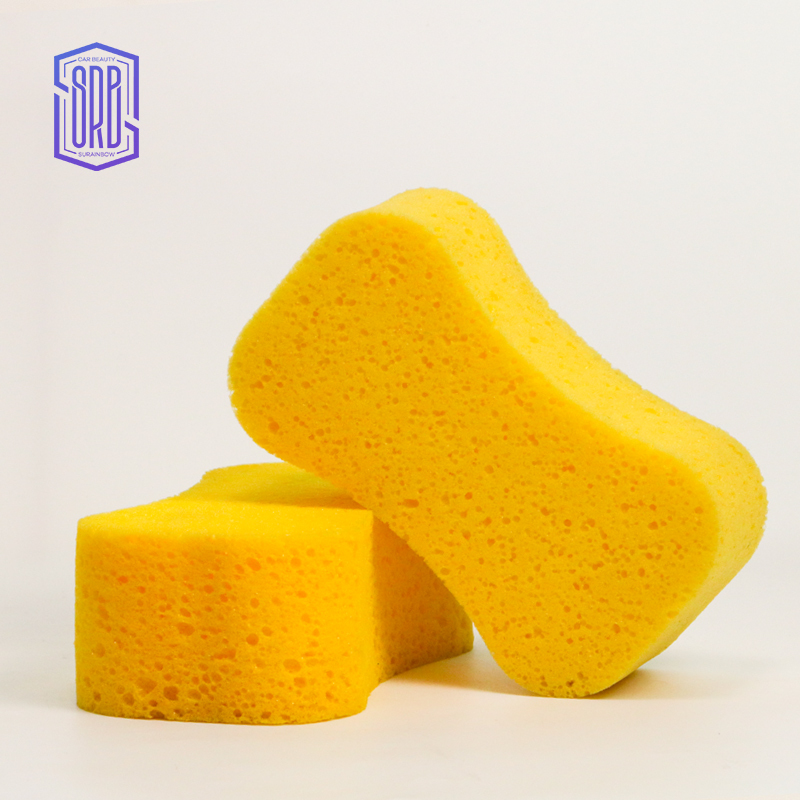
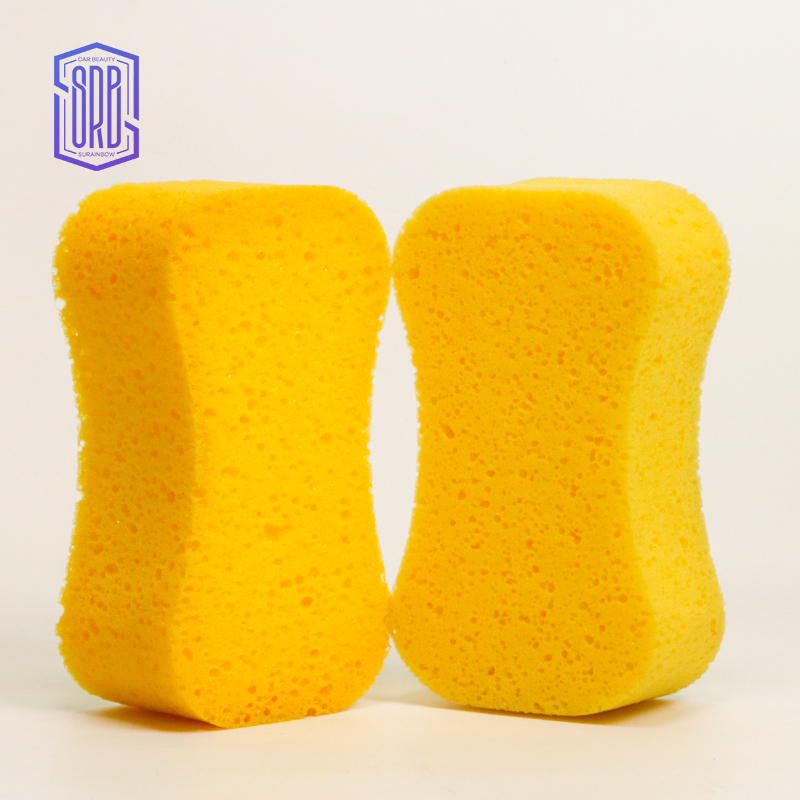
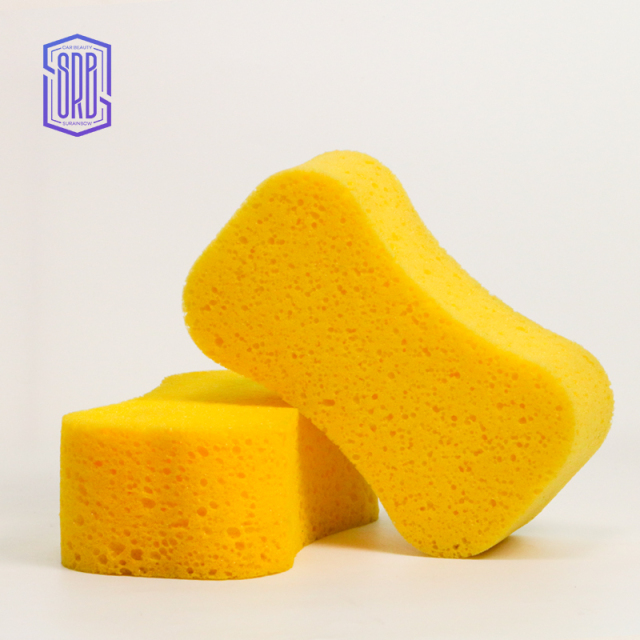
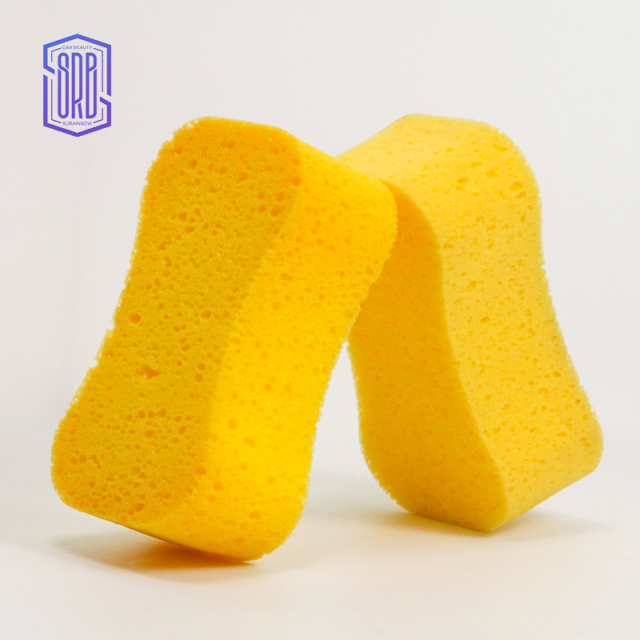
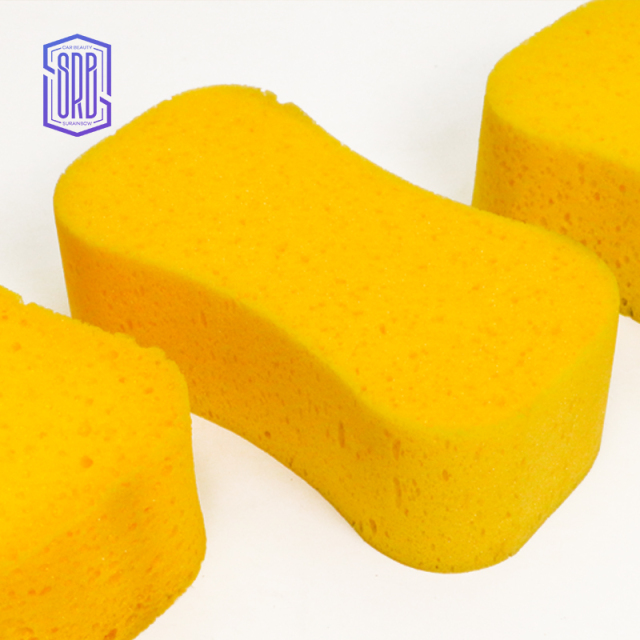
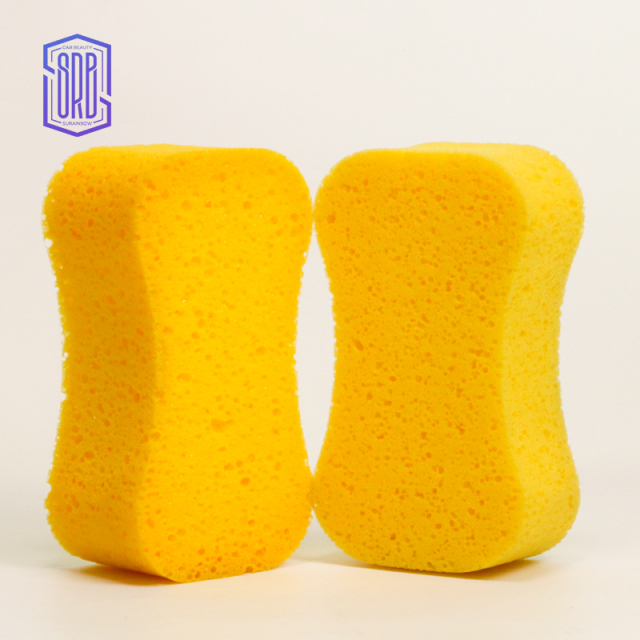
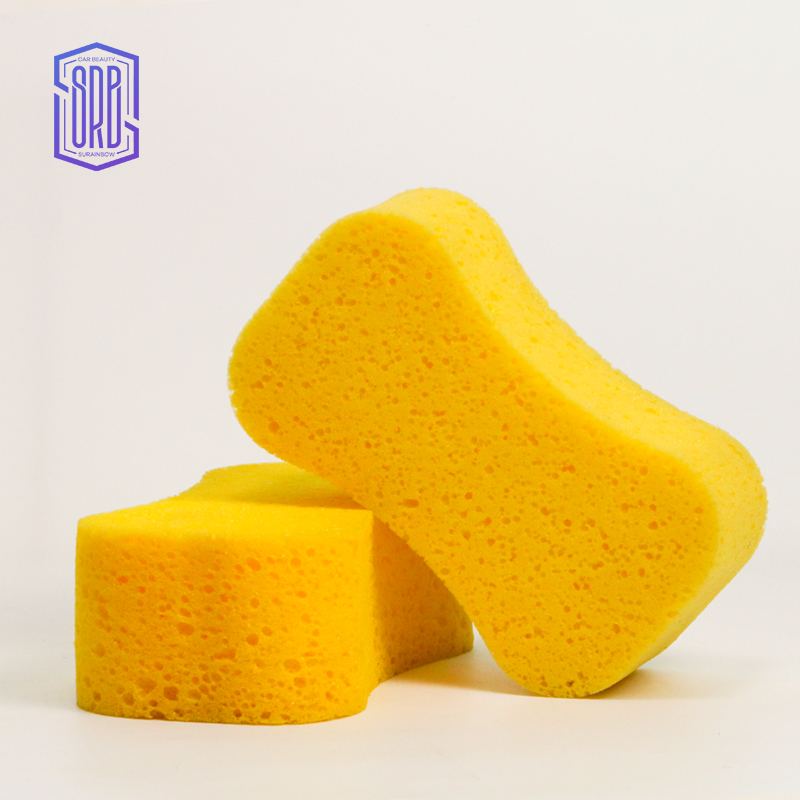
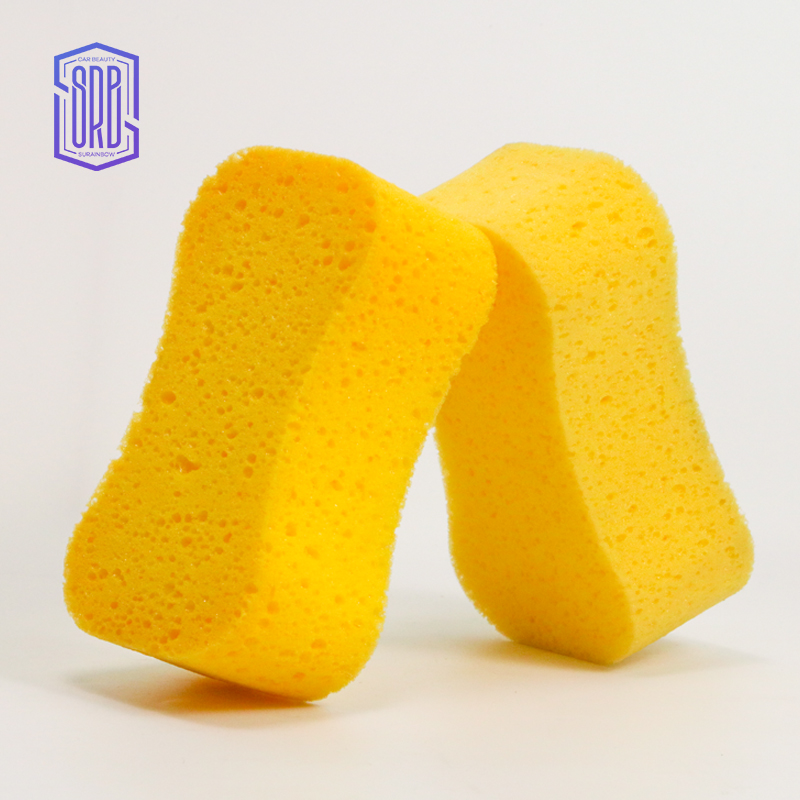
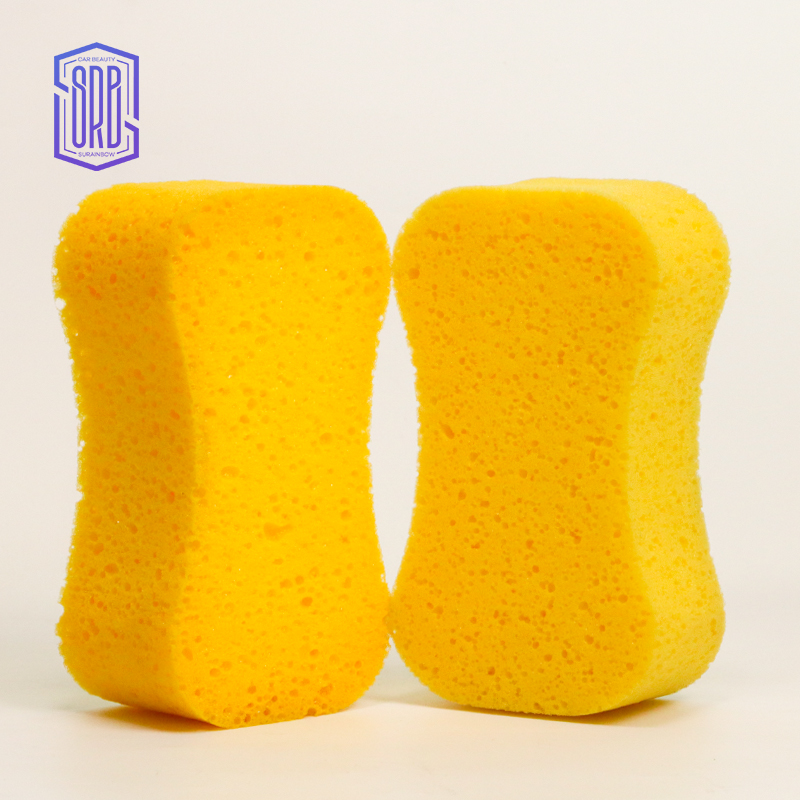
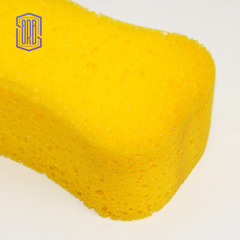
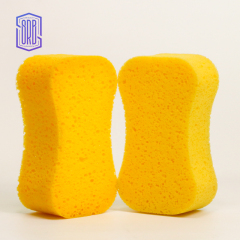
For workshops carrying out manual exterior cleaning, the SURAINBOW soft figure-eight car wash sponge combines soft, compressible PU foam with curved sides that give wet hands a defined holding area between its broad faces. Open pores carry wash solution across the contact face, while the broad faces and contoured edges let operators vary contact as they work around vehicle contours. The sponge works with a compatible wash liquid, with foam supplied by the shampoo rather than a self-foaming treatment, and hand pressure controlled by the operator. Before use, assess the sponge and chosen liquid together on an inconspicuous wet area of the intended finish, checking for marks, haze or unexpected surface changes.
Grip & Sponge Texture
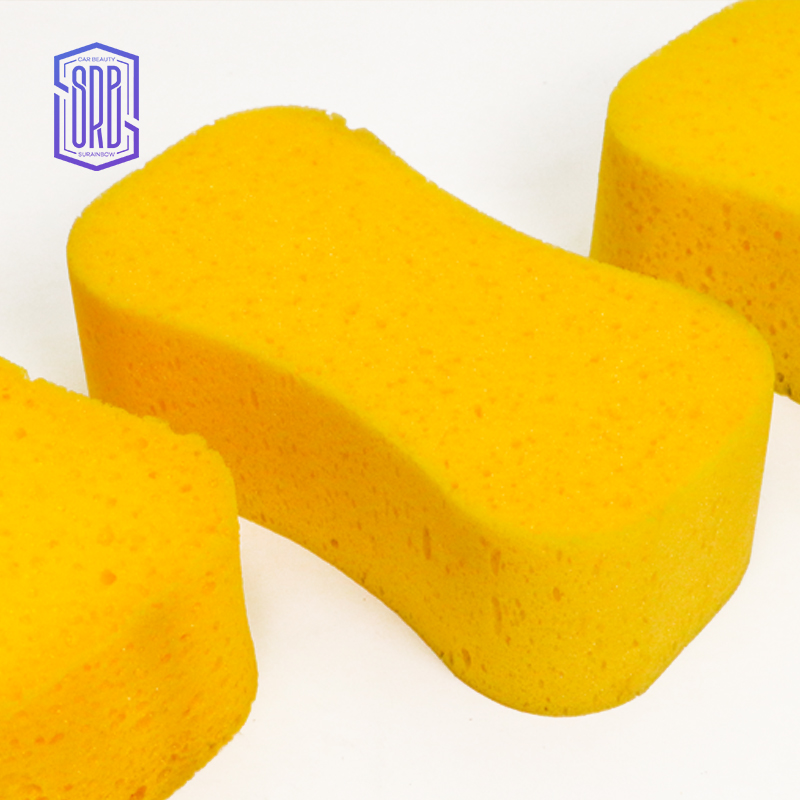
- Curved grip sides create a narrower holding area between the broad sponge faces, giving wet hands a defined place to grip during exterior cleaning.
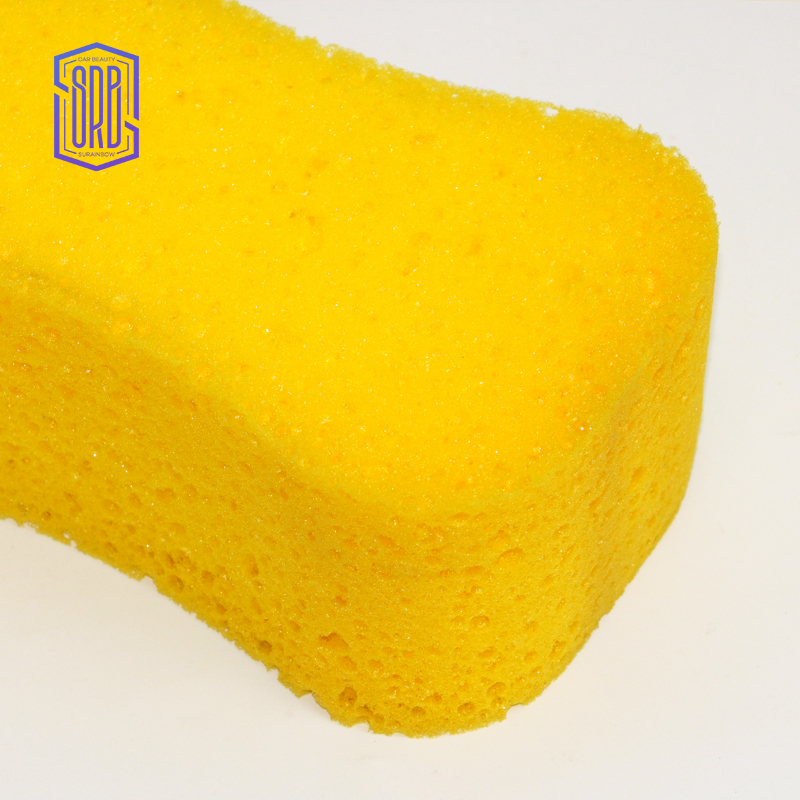
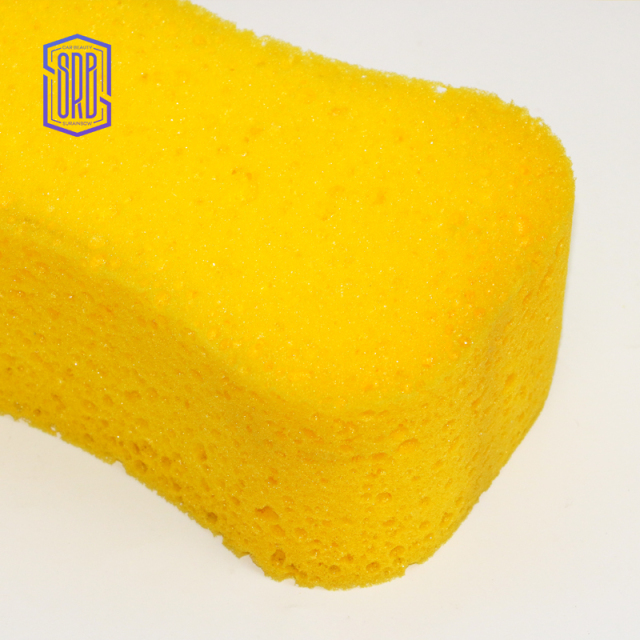
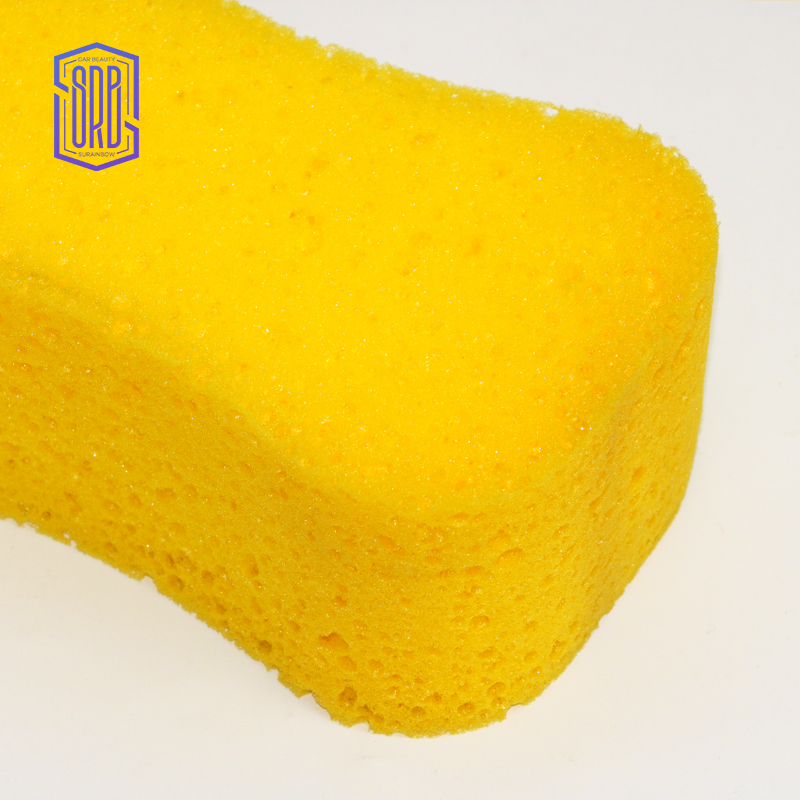
- Open pores carry wash solution across the contact face. Foam comes from the car wash shampoo used with the sponge, rather than from any self-foaming treatment.
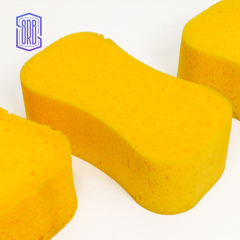
- Broad faces cover a larger contact area than the contoured edges, allowing operators to change the part of the sponge touching a panel as they work around vehicle contours.
- Soft, compressible texture gives these cleaning tools for car a flexible hand-held feel; pressure remains under the operator's control rather than coming from a powered machine.
- car cleaning products manufacturers can pair the sponge with a compatible wash liquid as a separate accessory, keeping the liquid's cleaning action distinct from the sponge's physical contact.
- Workshops adding the sponge to their car care supplies gain a simple manual tool without a handle, cable or powered control to manage.
Sponge Specifications
| Property | Value |
|---|
| Brand | SURAINBOW |
| Item number | No.999 |
| Product category | Car wash sponge |
| Type classification | Other |
| Place of origin | Guangdong, China |
| Material | PU sponge |
| Color | Yellow |
| Listed size | 10 cm |
| Thickness | 1.5 cm |
| Weight | 0.03 (unit not specified) |
| Expiration value | 3 (unit not specified) |
| Shape designations | Figure-eight / circle |
Surface Testing & Approval
A wet-panel trial helps establish whether the sponge suits the finish and working method used in your workshop. Start on an inconspicuous area, inspect the finish under good lighting, and stop if the trial leaves haze, marks or an unexpected surface change. Painted panels, protective films and treated finishes should be assessed separately rather than treated as interchangeable surfaces.
car wash shampoo trials should use the liquid's own recommended dilution and application conditions. Record the liquid, water conditions, surface preparation and hand pressure so another operator can repeat the same trial instead of comparing results obtained in different ways.
A car wash cleaner may have different chemistry from a routine wash liquid. Check the liquid manufacturer's contact-material guidance, and inspect the sponge for softening, swelling, color transfer or loss of integrity during the trial; resistance to every cleaner is not established.
For car wax application, assess spreading behavior, product pickup and the finish after residue removal. The relevant result is an even application under the wax manufacturer's instructions, not an assumed increase in gloss from the sponge itself.
car cleaning products manufacturers assessing the accessory with their own formulas can agree written acceptance criteria for appearance, handling and contact performance. An approved sponge can serve as the comparison sample when both sides agree the specification and acceptable variation. Where a process requires a defined polishing material, its contact properties must be established rather than inferred from a soft feel.
For car care supplies used across several locations, retain the approved application notes with the agreed sample details. Before approval, verify the supplied outline, the direction represented by the size measurement, and the units associated with the weight and expiration values.
Destination-market requirements should be checked for this sponge specifically. Request any required third-party test or safety report by product and intended market, and establish whether a particular certification requirement applies; company-level certificates do not establish approval for this accessory.
Washing & Wax Application
- Rinse loose dirt from the vehicle before contact washing, particularly grit collected around lower panels. Start with a cool surface and work where the wash liquid will not dry prematurely.
- Prepare car wash shampoo according to its own instructions and wet the sponge thoroughly before bringing it to the surface. No sponge-specific dilution ratio is required or provided.
- Work in manageable sections with light, controlled passes. Keep cleaning tools for car used on wheels and heavily soiled areas separate from those used on painted bodywork.
- Refresh the wash solution as it becomes dirty rather than continuing to carry contamination across the vehicle. When using a car wash cleaner, follow its stated dwell and rinsing instructions instead of extending contact time to compensate for stubborn soil.
- Rinse each completed section and inspect for remaining dirt before moving to a finishing stage. Do not force embedded contamination off the surface with extra pressure from the sponge.
- Apply car wax only after the surface has been cleaned and prepared as directed by the wax manufacturer. Load the sponge sparingly, spread the product evenly, and use the specified towel or removal method for the final wipe.
Sponge Care
- Embedded grit can remain below the visible surface, so inspect the pores as well as the outer face. A dropped sponge needs a thorough contamination check before it returns to vehicle contact.
- Remaining car wash cleaner should be rinsed out after use rather than left concentrated inside the foam. Use gentle compression to move clean water through the sponge instead of aggressively twisting it.
- Dried car polish can form hard deposits that change the feel of the contact face. Do not scrape hardened residue out with a sharp tool or continue using a sponge that cannot be cleaned thoroughly.
- A sponge used with car wax should remain dedicated to that task, because retained finishing product can transfer into a later wash. Marking tools by task helps operators avoid mixing them up.
- Damp car care supplies should be allowed to dry in a clean, ventilated place before being enclosed. Keep the sponge away from concentrated chemicals, direct heat and dirty surfaces while it dries.
- Torn edges, crumbling foam, permanent deformation or a hardened contact face are reasons to retire cleaning tools for car from paint-contact work. Replacement should follow their actual condition rather than an assumed number of uses.
Ordering & Delivery
Bulk orders for this sponge have a listed minimum order quantity of 1,000 pieces. State the required quantity and destination so the commercial offer can identify the exact item and order scope.
Samples & Approval
For pre-order sponge trials, ask for current sample terms. Record the accepted sponge specification and application result before bulk approval; any sample, courier or inspection arrangements should be agreed for the order.
Packaging Design & Approval
Individual wrapping, product presentation, pieces per carton and outer-carton dimensions need to be agreed for this sponge. Packaging design, artwork and proofing can be discussed subject to the item and order scope. Where printed packaging is required, review the label language, barcode, artwork version and carton marks together, then approve the proof before release.
car cleaning products manufacturers placing a mixed accessory-and-liquid order should identify each item separately, because packaging requirements and order conditions may differ. Pictured liquids and other accessories are not a confirmed part of the sponge order.
Balance, Dispatch & Documents
In stock and fast shipping. This company-wide service applies to available stock items; check availability and dispatch timing for your sponge order. The accepted payment method, currency, payment stages and balance status belong in the commercial agreement rather than being assumed from another order.
Before dispatch, agree the inspection arrangement, shipping method, consignee details and document list. A commercial invoice, packing list and customs documents can form part of the shipment documentation, depending on the destination and agreed shipping terms. Mixed car care supplies should have item-specific quantities and descriptions checked before shipment information is consolidated.
After-Sales & Batch Records
Report packaging or shortage issues within 7 days of receipt, and product-quality concerns within 30 days. Include the order or approved-sample reference, affected quantity, clear photographs or video, and a written description of the concern.
Where a batch identifier is available, include it with the report and retain the associated carton labels. Batch records, inspection records and retained samples may be available depending on the product and agreed order requirements; any specific traceability records should be agreed in advance.
Clay & Polishing Pad Selection
- Clay-pad replacement: A soft sponge surface does not provide the same contact action as a purpose-made clay surface. No clay layer is specified for this figure-eight sponge, so do not choose it as a direct replacement for a clay decontamination pad.
- Separate clay option: SURAINBOW T-655 is identified as a sponge-and-clay pad, distinct from this washing sponge. If clay treatment is your task, request the T-655 application instructions, lubrication requirements and attachment details before choosing it for your process.
- Powered-polisher use: No machine attachment, backing support or operating-speed rating is specified for this sponge. Do not mount it on a rotary or dual-action polisher without product-specific approval for that use.
- Machine-pad fit: Similar dimensions or a soft feel do not establish compatibility. For a replacement machine pad, match the attachment system, backing-plate requirements, supported machine motion and operating-speed rating to your polisher.
- Workshop purchasing: List the figure-eight washing sponge, clay decontamination tools and machine polishing pads separately in your order. Identify the task beside each item so a washing accessory is not supplied in place of a clay tool or a rated polishing pad.
Scale & Supply Capability
We are Guangzhou Liangdian Automotive Supplies Co., Ltd., an integrated manufacturing and trading company founded in Guangzhou in 2010. With 50 employees, we supply a broad range of car care products to distributors, wholesalers and brand owners. Our range lets you source across categories through one supplier, with in-stock options and fast shipping. Alongside our SURAINBOW brand, we offer OEM/ODM customization, supported by a professional R&D team that can design and develop products around your requirements.
FAQ
Can the sponge remove scratches from paint?
Scratch correction depends on the car polish, abrasive system and application method, not simply on using a soft sponge. No cutting grade or scratch-removal rating is established for this accessory, so it should not be treated as a corrective polishing material.
What material and grip design does the sponge use?
The sponge uses soft, compressible PU foam with curved sides that form a narrower holding area between its broad faces. This gives wet hands a defined place to grip during manual exterior cleaning. Operators can alternate between the broad faces and contoured edges as they work around vehicle contours, while controlling contact pressure by hand.
Does the sponge produce foam on its own?
The sponge has no self-foaming treatment; foam comes from the car wash shampoo used with it. Its open pores carry wash solution across the contact face. Pair it with a compatible wash liquid and follow that liquid’s recommended dilution and application conditions during trials. Assess the sponge and liquid together on an inconspicuous wet area before use.
Is the PU sponge compatible with every car wash cleaner?
Resistance to every cleaner is not established for this sponge. Check the liquid manufacturer’s contact-material guidance and test the sponge with the chosen liquid on an inconspicuous wet area. During the trial, inspect the sponge for softening, swelling, color transfer or loss of integrity, and check the finish for haze, marks or unexpected surface changes.
What should we assess before approving the sponge for wax application?
Wax application assessment should cover spreading behavior, product pickup and the finish after residue removal. Follow the wax manufacturer’s instructions and evaluate whether the sponge produces an even application. Do not assume the sponge itself increases gloss. Painted panels, protective films and treated finishes should be assessed separately, with the application conditions recorded so another operator can repeat the trial.
Can I use it instead of a clay decontamination pad?
Clay treatment requires a purpose-made decontamination contact surface and suitable lubrication. A clay layer is not established for this sponge; washing with it should not be treated as a substitute for a dedicated clay treatment.
Can the sponge be fitted to a powered polisher?
Powered polishing requires polishing material with a suitable attachment, backing support and operating rating. None of those machine-use details is established for this sponge. A car polish that permits hand application does not, by itself, make the sponge suitable for a powered polisher.