Facebook
  • Solid wood soft brush
  • Solid wood soft brush
  • Solid wood soft brush
  • Solid wood soft brush
  • Solid wood soft brush
  • Solid wood soft brush
  • Solid wood soft brush
  • Solid wood soft brush
  • Solid wood soft brush
  • Solid wood soft brush
  • Solid wood soft brush
  • Solid wood soft brush
  • Solid wood soft brush
  • Solid wood soft brush

Solid wood soft brush

No.T--633
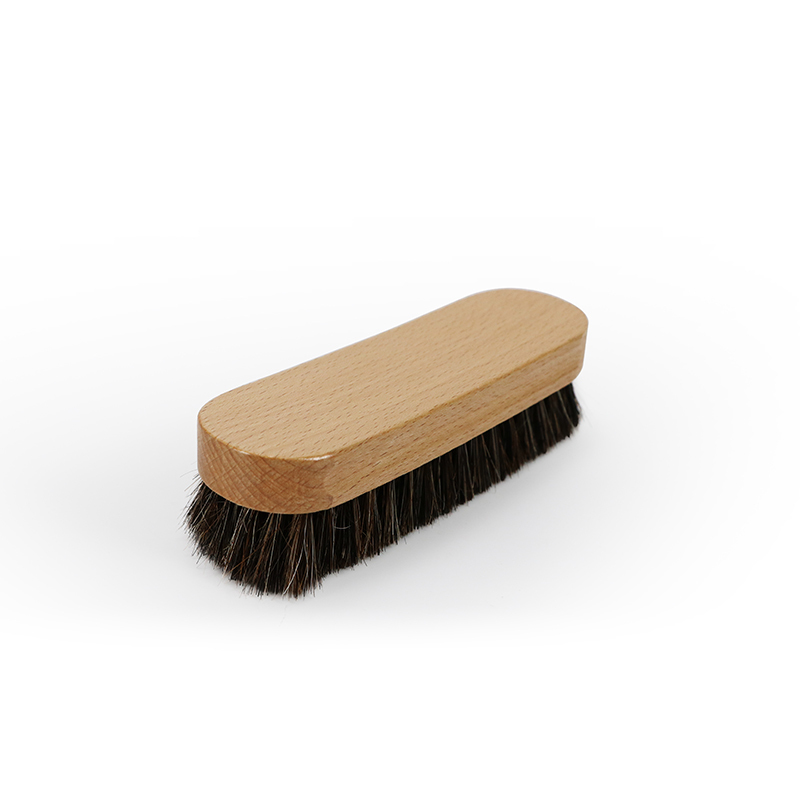
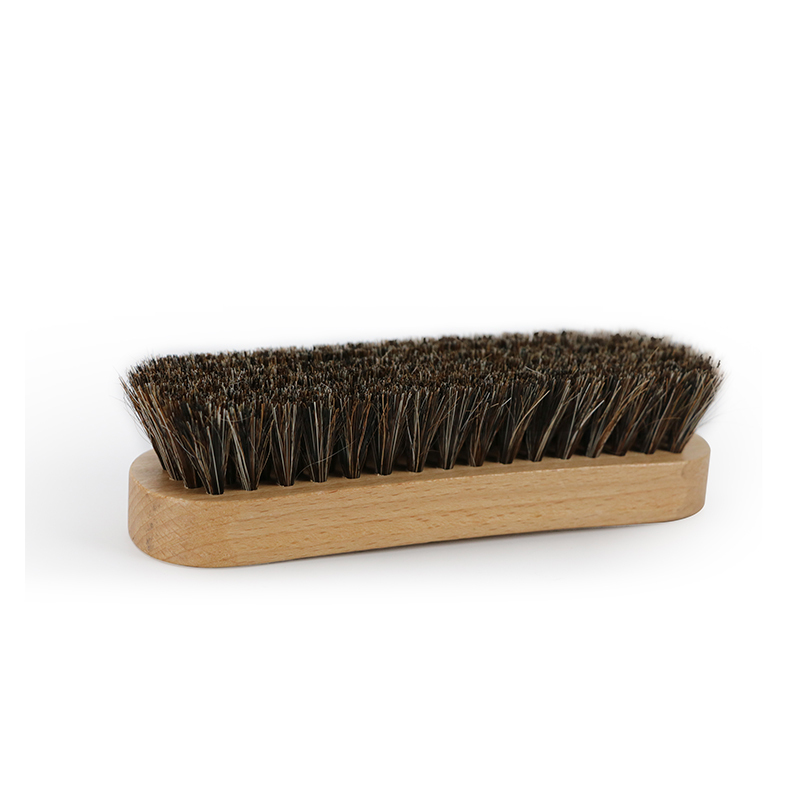
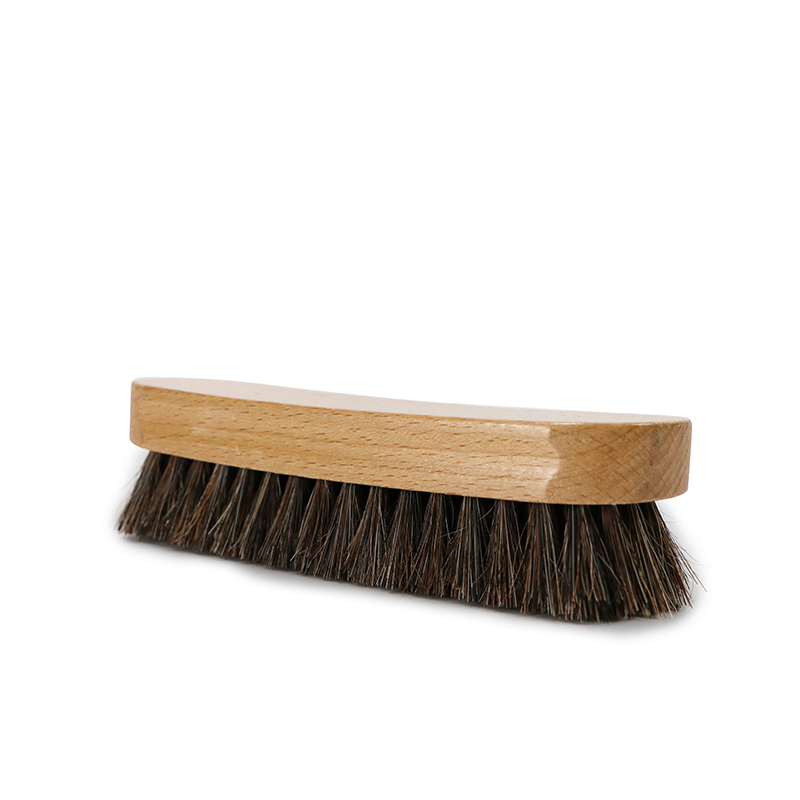
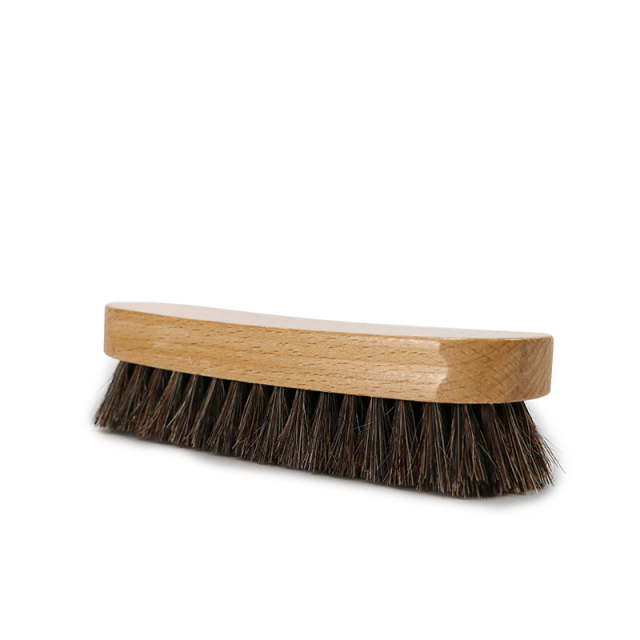
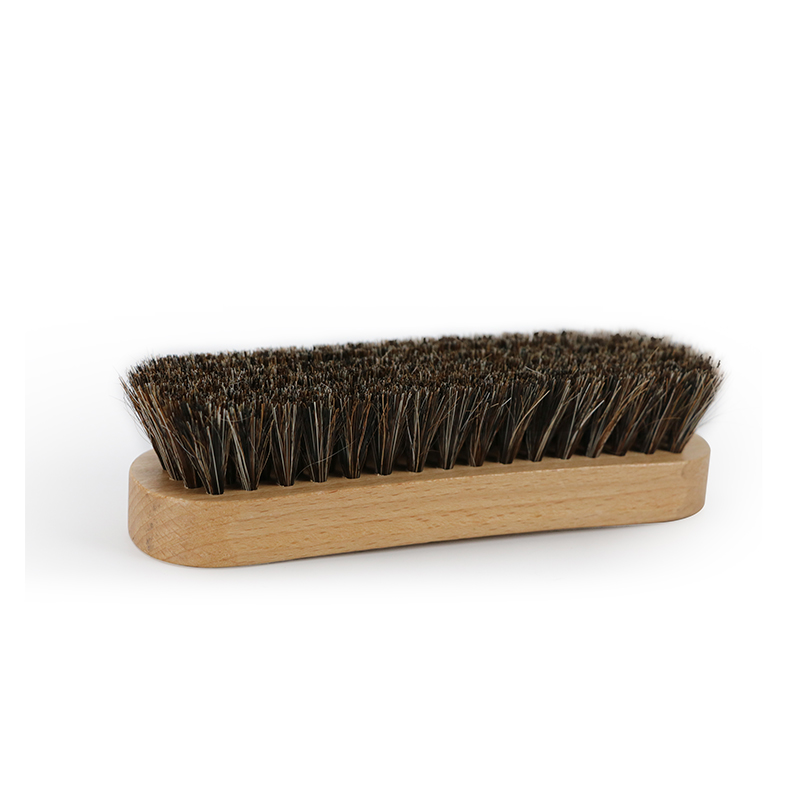
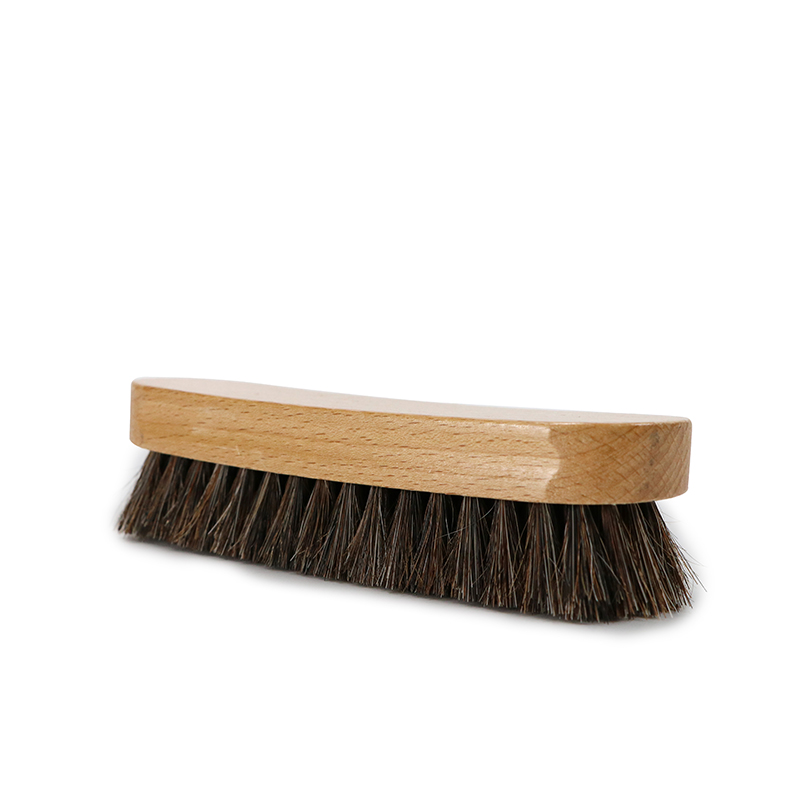
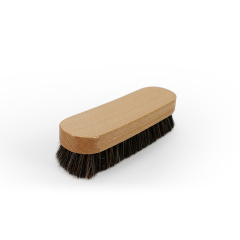
A 16.5 cm soft-bristle leather cleaning brush with dense horsehair and beech wood handle by SURAINBOW for interior trim, vents and stitched seats.
  • Solid wood soft brush
  • Solid wood soft brush
  • Solid wood soft brush
  • Solid wood soft brush
  • Solid wood soft brush
  • Solid wood soft brush
  • Solid wood soft brush

Description

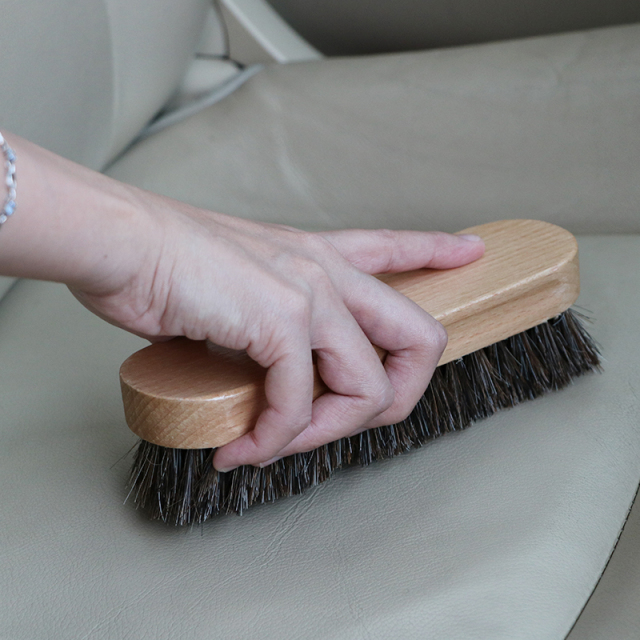
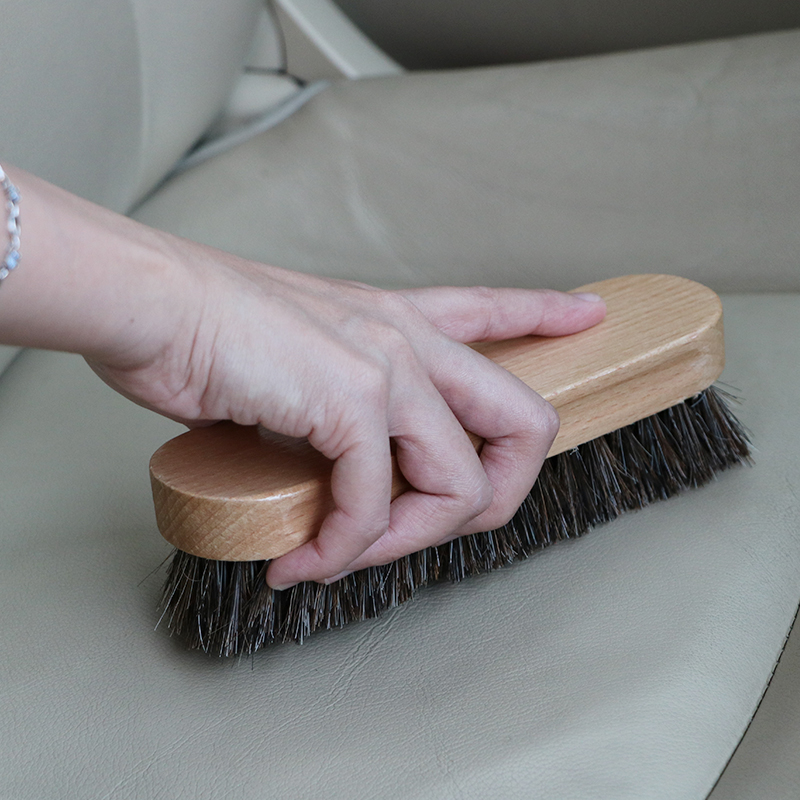
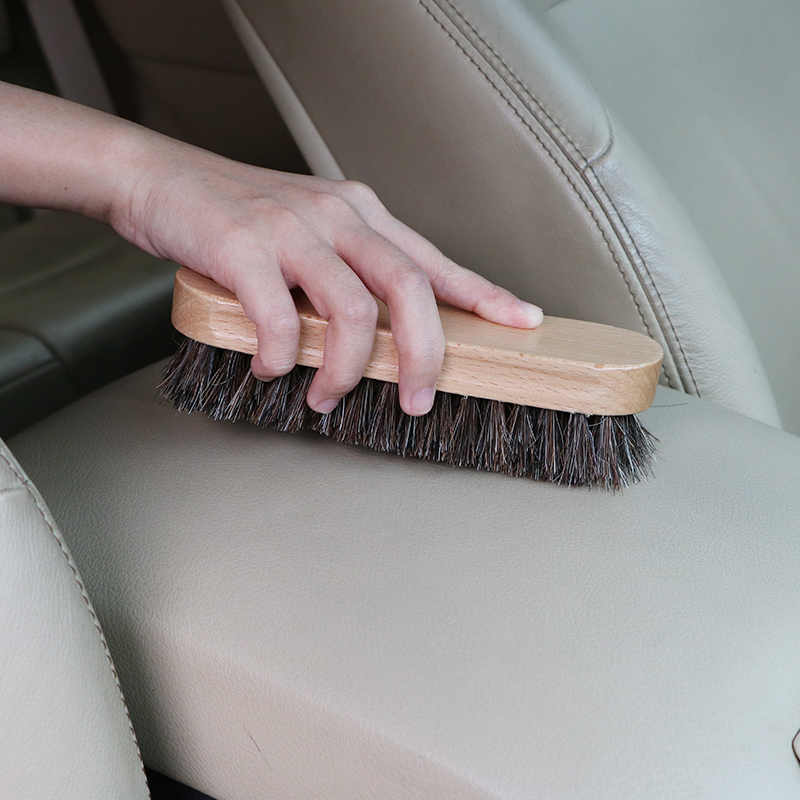
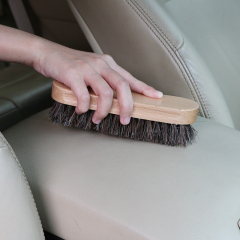
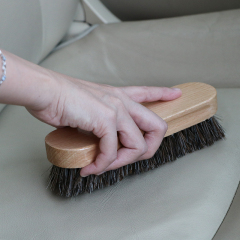
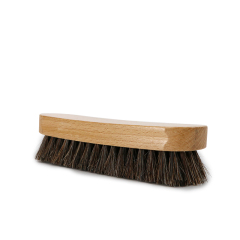
Wooden bristle brush scrubbing beige leather upholsteryBristle brush being used on beige leather seatWooden-handled bristle brush isolated on white backgroundSolid wood soft brushSolid wood soft brushSolid wood soft brushSolid wood soft brush

Product Overview

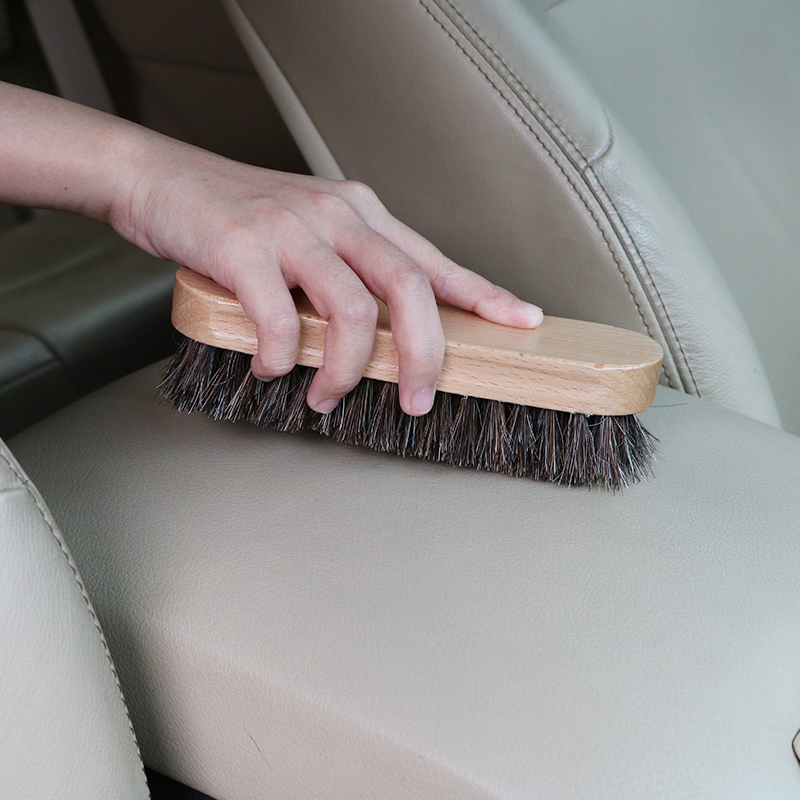
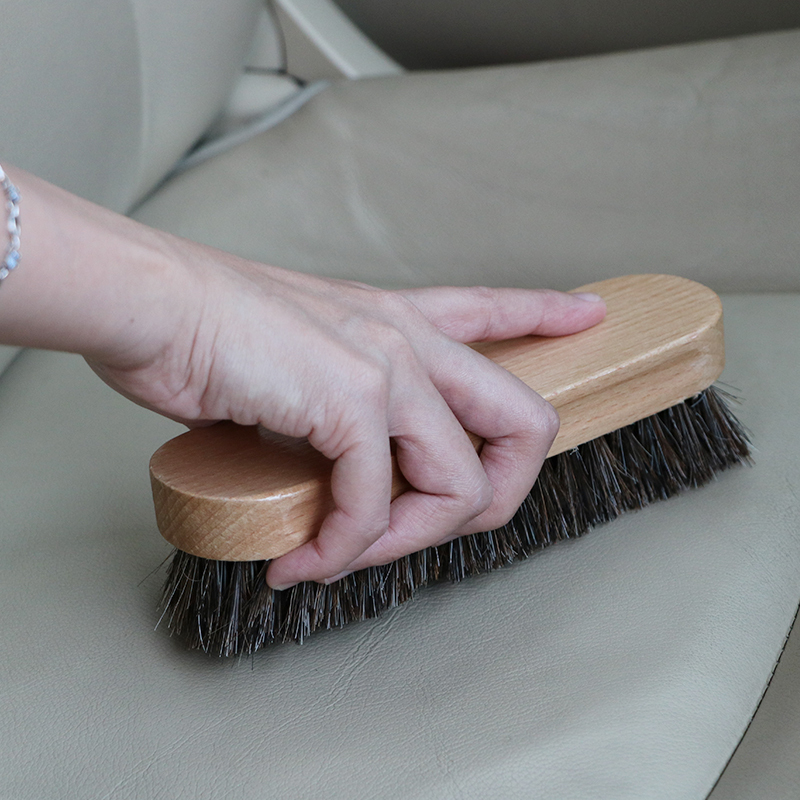
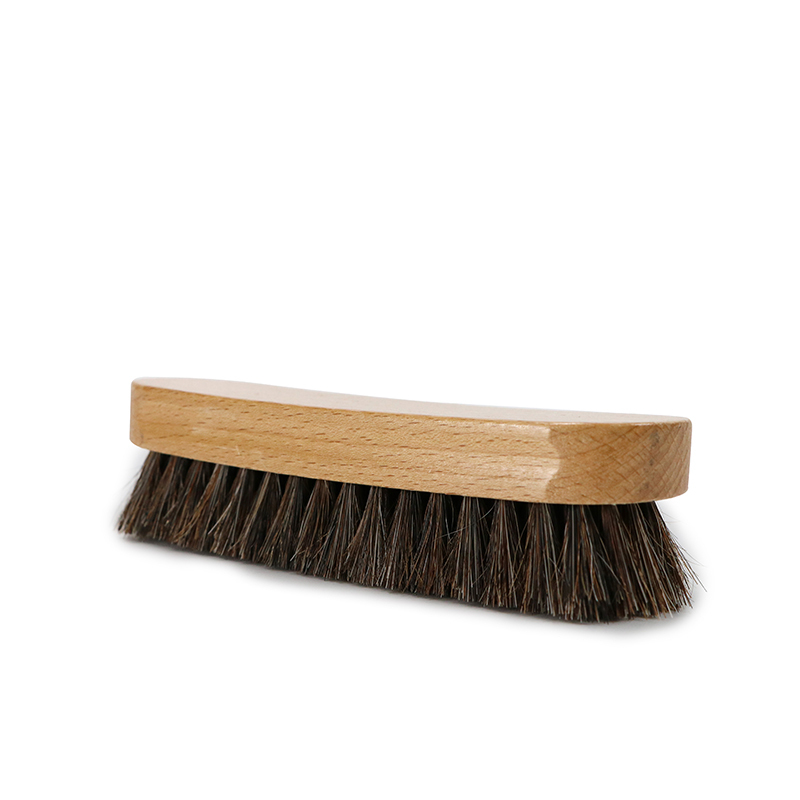
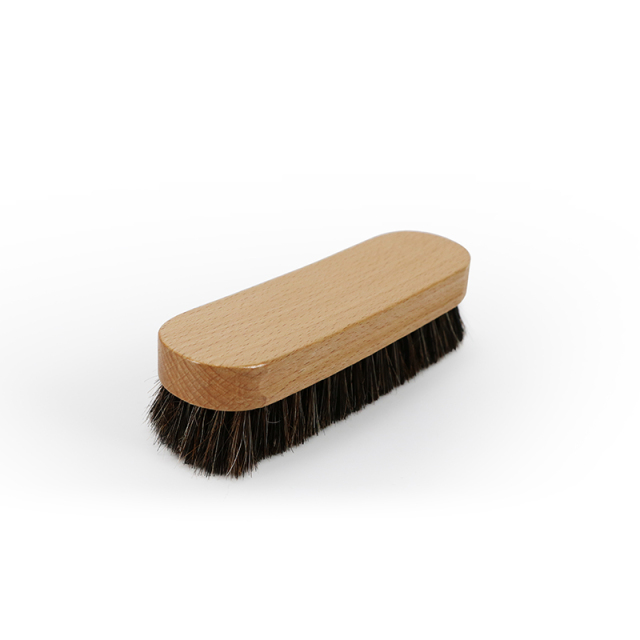
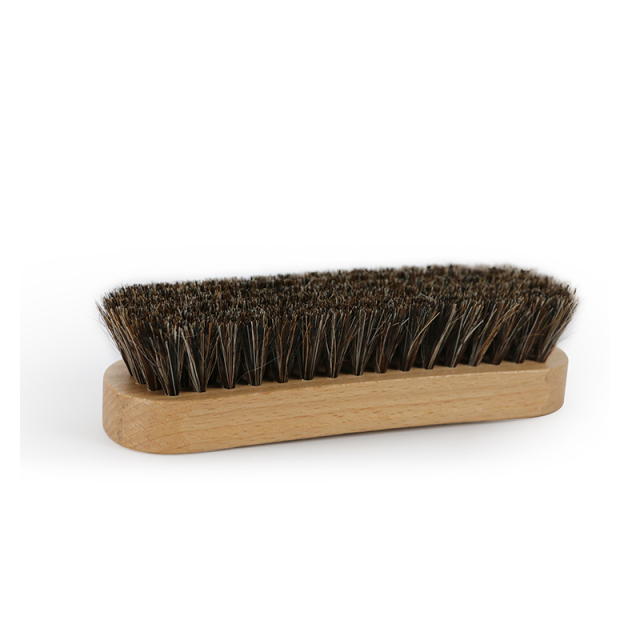
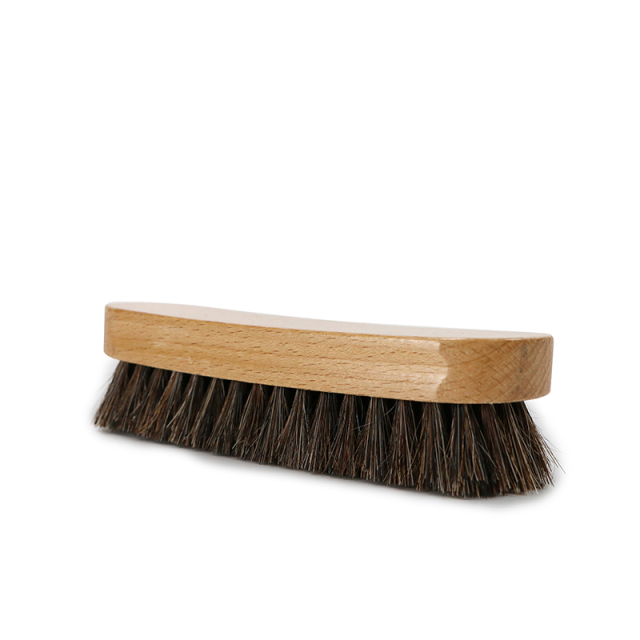
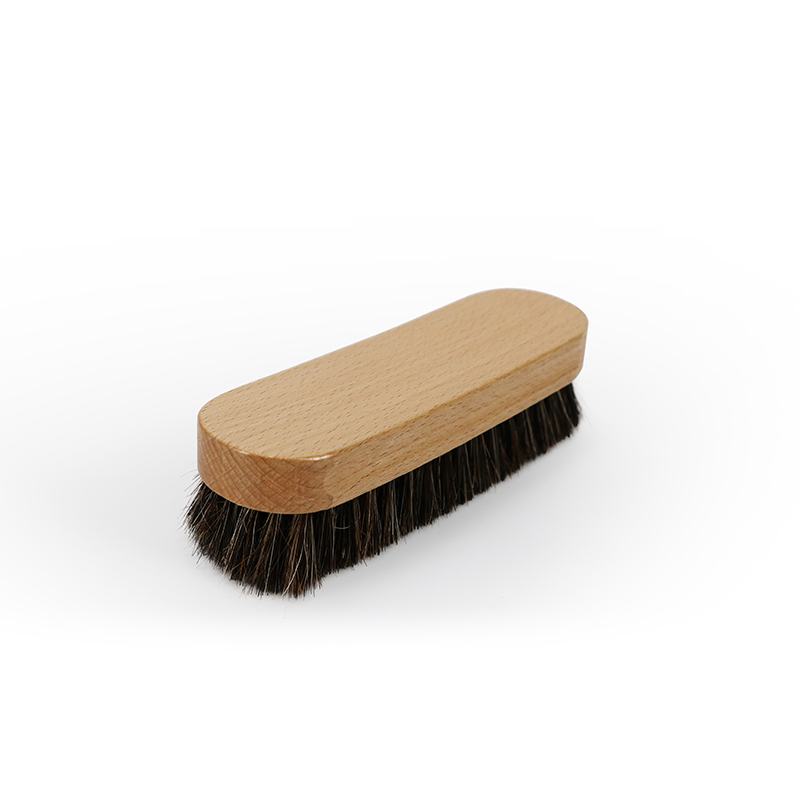
The SURAINBOW T-633 is short enough to sit between two fingers and reach into a vent, long enough to work a full seat seam without your knuckles dragging on the leather. A dense head of natural horsehair is set into a solid beech wood body, and that is the whole of it: no ferrule, no plastic collar, nothing that can catch on a perforated panel. It is the horsehair car detailing brush detailers reach for last, once the heavy cleaning is already done.

Dry use comes first. Before any cleaner goes on, an interior car detailing brush lifts loose dust out of speaker grilles, button recesses, seat rails and the gap between the seat and the sill — dust that a damp towel would only push into a corner. Sweep with the tips, let the bristles carry the dust out, then shake the head over a bin.

It is also a straightforward line to carry under your own brand. Soft brush OEM custom requests are reviewed with the standard body as the starting point, and the team will confirm which details can be changed for your market.

The brush is soft, and that defines its limits. Baked-on brake dust, tyre sidewalls, rubber mats and exhaust tips are jobs for a stiffer tool. Keep this soft bristle leather cleaning brush for surfaces where a scratch or a burnished edge would show, and it stays a useful part of the kit instead of a worn-out one.

Material & Build

We build this brush in our Guangzhou workshop as a car detailing brush manufacturer, which means the bristle grade and the wood are chosen before the head is assembled rather than sorted afterwards. Both materials are judged on feel first: a head that is too stiff will mark leather no matter how carefully it is used.

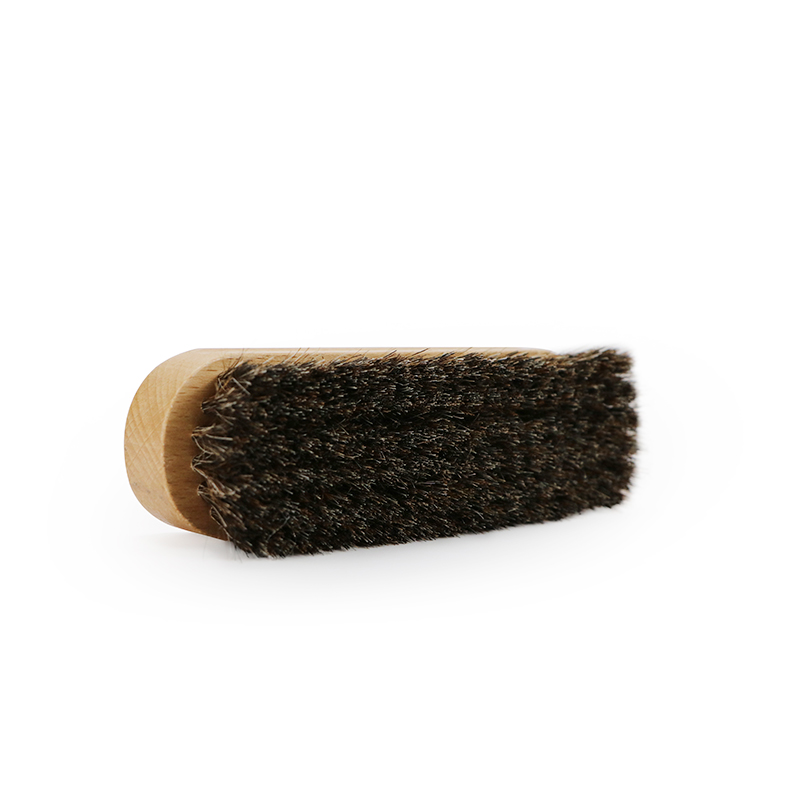
Horsehair is a natural filament. Each strand tapers from a thicker root to a fine tip and flexes along its length, so the tips give way over a curve instead of digging in. That taper is the reason a natural head can lift dust out of a perforated seat without the pressure building up along the edge of the panel.

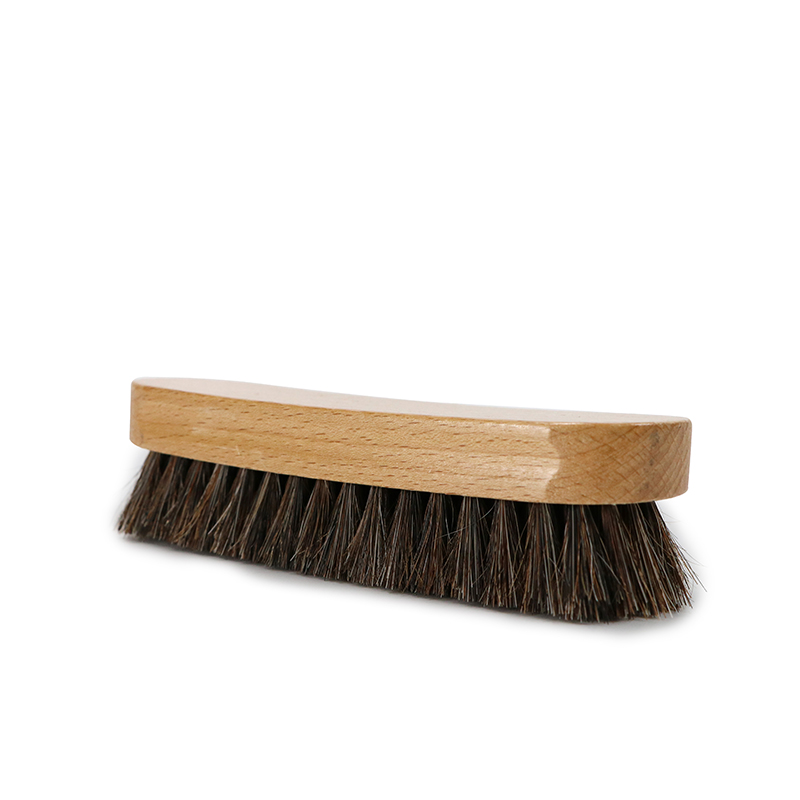
The wooden handle cleaning brush body is cut from solid beech. Beech has a tight, even grain that takes a smooth finish and resists splintering at the edges, and it keeps the tool light enough to hold through a whole cabin without the hand tiring. The surface is finished smooth so nothing drags against your fingers when you choke up on the handle for close work.

The head is set directly into the wood base with no collar between the two, so the bristles sit flush with the body and the whole face can be laid flat on a seat. That flat contact is what makes the brush usable on leather: the load spreads across the head instead of concentrating on one corner.

Because both materials are natural, no two brushes are identical. Wood grain and bristle shade shift slightly from batch to batch, and a brown handle may read lighter or darker than the sample you approved. Judge a delivery on head density, bristle softness and finish rather than on colour alone.

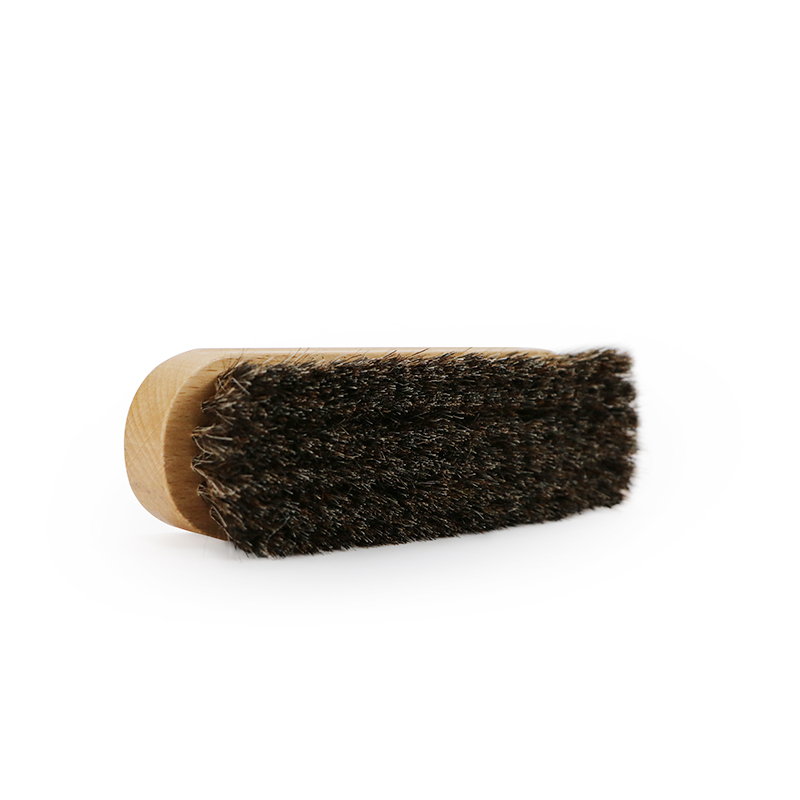
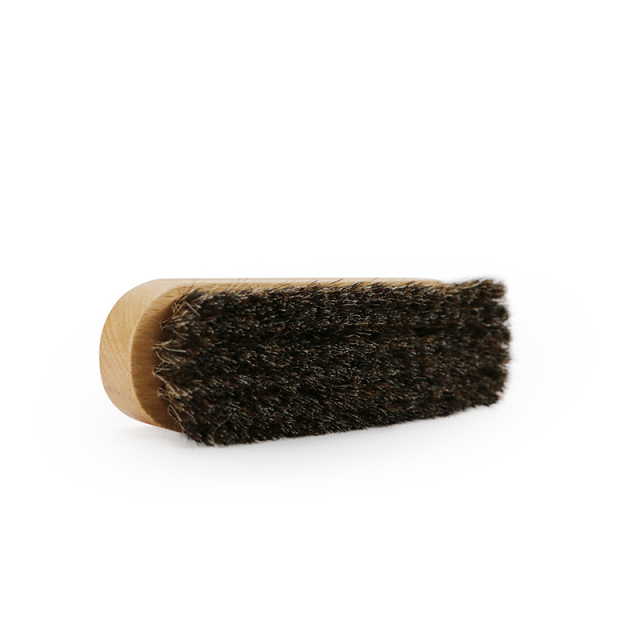
Fine natural tips. Each horsehair filament tapers to a fine end, so the part that touches the surface is softer than the shaft behind it — the head sweeps dust out of a seam without marking the leather on either side of it. A densely packed head. The bristles are set close together, which lets the head hold the dust it picks up instead of pushing it along the panel. The dark colour also makes it obvious when the head is loaded and needs a shake-out. Oval face. Work the flat of the oval along a stitch line, then turn the rounded end into a vent corner. One head covers both jobs, so it stays in your hand instead of being swapped out mid-panel. A beech wood detailing brush body. A beech wood detailing brush body carries the weight back in your palm rather than out in the head, so pressure comes from the wrist and you can feel exactly how hard the tips are pressing into a soft bolster. Soft where it counts. The head that lifts dust from textured plastic is gentle enough for stitched and perforated leather, so a soft bristle leather cleaning brush takes the last film of cleaner out of a seam without a second tool. No metal anywhere. Without a ferrule or a rivet there is nothing to catch a loose stitch, snag a perforation or leave a bright scratch on piano-black trim. Easy to check between cars. Bare wood and natural bristle show residue straight away, so one look tells the detailer whether the head is clean before it goes near the next interior.

Interior Applications

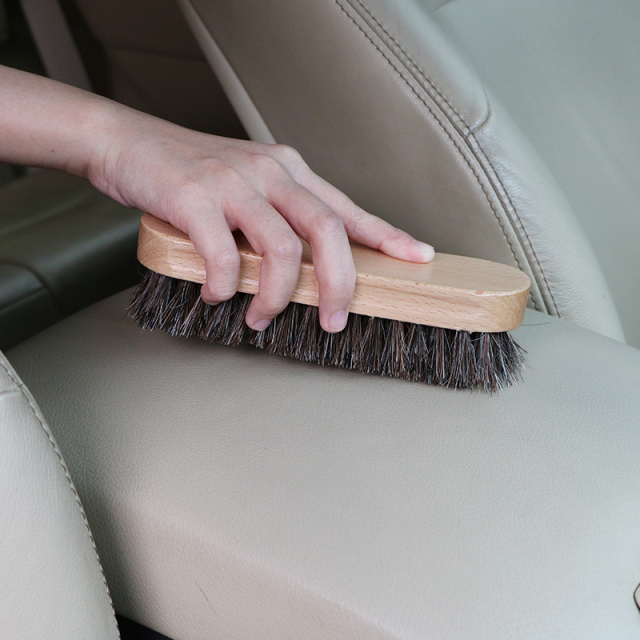
  • Stitched leather seats and bolsters. Run the horsehair car detailing brush along the seam line and the piping, where dust and old cleaner collect in the stitch holes. The tips go in; the leather around them stays untouched.
  • Air vents and dash slats. The rounded end fits between the slats and the flat of the oval covers the run of the vent in two passes — quicker and cleaner than folding a towel around a card.
  • Seat rails, tracks and the gap beside the console. These are the places a vacuum nozzle cannot follow. A dry pass brings the grit forward to where the vacuum can take it.
  • Door cards, armrests and grab handles. Leather, vinyl and textured plastic sit within a few centimetres of each other here, and a soft bristle leather cleaning brush works all three without a change of tool or pressure.
  • Centre consoles, button recesses and screen surrounds. Move to the tips and a light touch: the aim is to lift dust out of the gap, not to polish the surface around it.
  • Used-car prep and valet handover. A two-minute dry pass over vents, seams and the console is the difference between a cabin that has been vacuumed and one that looks properly detailed.

Use & Care

  1. Knock the head out after every panel. Tap the brush against the edge of a bin, or run the vacuum nozzle across the bristles, so the dust leaves the head instead of travelling to the next surface.
  2. Keep one head dry for dusting. Dry bristles lift powder and grit; a damp interior car detailing brush only smears it into the grain of textured plastic.
  3. Rinse the head, not the handle. Hold the wooden handle cleaning brush head-down under running water, work the bristles between your fingers to flush out cleaner, and keep the wood out of the stream.
  4. Reshape and dry bristle-down. Shake the excess water out, draw the head across a towel in the direction the bristles already lean, then stand or hang it with the bristles pointing down so water drains away from the wood.
  5. Wipe the wood and let it air-dry. A beech wood detailing brush should be wiped with a damp cloth and dried straight away — never left soaking, never put through a dishwasher, never stood in a bucket of cleaner.
  6. Store it where air can move. A cup on the trolley or a hook on the wall beats a sealed bag; trapped moisture dulls a natural head and lifts the finish on the handle.
  7. Do not treat it like a scrub brush. Wire brushing, boiling water, solvent soaks and heavy pressure on a hot panel all shorten the working life of natural bristle.

Specifications

SpecificationDetail
ModelT-633
Product typeHand-held detailing brush
Bristle materialNatural horsehair
Handle materialSolid beech wood
Overall size16.5 × 5.5 × 5 cm
Head shapeOval
ColourBrown handle with dark natural bristles
BrandSURAINBOW
Place of originGuangdong, China
Minimum order100 pcs

OEM & Private Label

  1. Send the brief. Quantity, destination market and what should carry your mark — the brush itself, the label or the carton. Soft brush OEM custom work starts from that brief, and we will confirm what is practical on this body before you commit to artwork.
  2. Approve the packaging artwork. Label copy, barcode data, carton print and shipping marks are proofed and signed off before anything is printed, so the version that reaches production is the version you approved.
  3. Confirm a sample. A sample can be prepared for your approval — ask your sales contact about the sample scope and any applicable charges. Head density, bristle softness and handle finish are checked against the same reference the bulk order will be judged on.
  4. Run the bulk order. As your car detailing brush manufacturer, we work to that approved reference: bristle grade, head density and handle finish are checked before the cartons are sealed, and the inspection records stay with the batch.
  5. Repeat on the same reference. A horsehair detailing brush supplier is judged on the second order as much as the first, so the approved sample and its records are kept on file for the next run.

Ordering & Delivery

ItemDetail
Brand & supplySURAINBOW, horsehair detailing brush supplier, Guangzhou, China
Minimum order100 pcs
AvailabilityIn stock and fast shipping
PackingConfirm the carton quantity and inner pack for your order with your sales contact
PaymentConfirm the accepted method and the payment schedule with your sales contact
DocumentsConfirm the export document set your destination market requires with your sales contact
CustomizationSoft brush OEM custom work — confirm the scope and artwork with your sales contact
Batch recordsProduction and inspection records are kept against the batch so a later question can be traced
After-salesReport a shortage, damage or quality concern with the order reference, batch number and photos so it can be checked against the agreed reference

Scale & Supply Capability

SURAINBOW is run by Guangzhou Liangdian Automotive Supplies Co., Ltd., a factory-trade operation set up in Guangzhou in 2010 and now 50 people strong. Sixteen years in car care have given us a one-stop supply position: our own SURAINBOW lines are held in stock for fast shipping, and an associate factory with modern production equipment and an established quality management system keeps replenishment moving. We take OEM and ODM work and our R&D team develops to your specification. Buyers in the Middle East, the United States, Southeast Asia, Europe, the UK, Russia, Africa and Australia already order from us.
FAQ

Can this horsehair car detailing brush be used on coated leather and glossy trim?

Yes, with a light hand. The bristle tips are fine and flexible, so the risk is not the filament but the pressure behind it — let the tips do the work and keep the head moving. On a freshly coated or newly treated surface, try a hidden section first and give the coating its full cure before brushing over it.

Can I work an interior cleaner into the seats with this brush?

It works better as a damp brush than as an applicator. Spray or wipe the cleaner onto the surface, let it dwell as the label directs, then work the seams with a damp head and lift the residue with a microfibre towel. Keep the wooden handle out of the chemical and rinse the head afterwards — prolonged soaking is what damages both the wood and the bristle.

Horsehair or synthetic filament — what changes on the job?

Horsehair tapers to a finer tip and flexes more along its length, so it gives way over stitching and perforations instead of springing back against them. Synthetic filament is more uniform from brush to brush and can be made stiffer, which suits wheel faces and rubber but is less forgiving on leather. Natural horsehair varies slightly batch to batch, which is why a horsehair detailing brush supplier grades the filament before assembly rather than after.

Do I need more than one interior car detailing brush for a full cabin?

Two is the practical setup. Keep one head dry for dust and a second damp for cleaning, so you are never pressing a wet brush onto a dry seat or carrying dust back into a seam you have just cleaned. If both look the same on the trolley, mark the handles so the dry brush is never a guess.

Will it handle wheel faces, tyres or engine bay grime?

No — that is outside its job. Brake dust and tyre dressing need a stiffer brush with a head that can be scrubbed and rinsed hard. Keep this wooden handle cleaning brush for cabin surfaces, where a mark or a burnished edge would show, and keep a separate wheel brush for the dirty end of the wash.

When should a beech wood detailing brush be replaced?

There is no fixed life — it depends on how often it is used and how quickly the head dries between jobs. Retire it when the bristles splay or curl, when it starts shedding during a job, or when the wood shows a crack where the head joins the body.