Guangzhou Liangdian Automotive Supplies Co., Ltd.
Guangzhou Liangdian Automotive Supplies Co., Ltd.

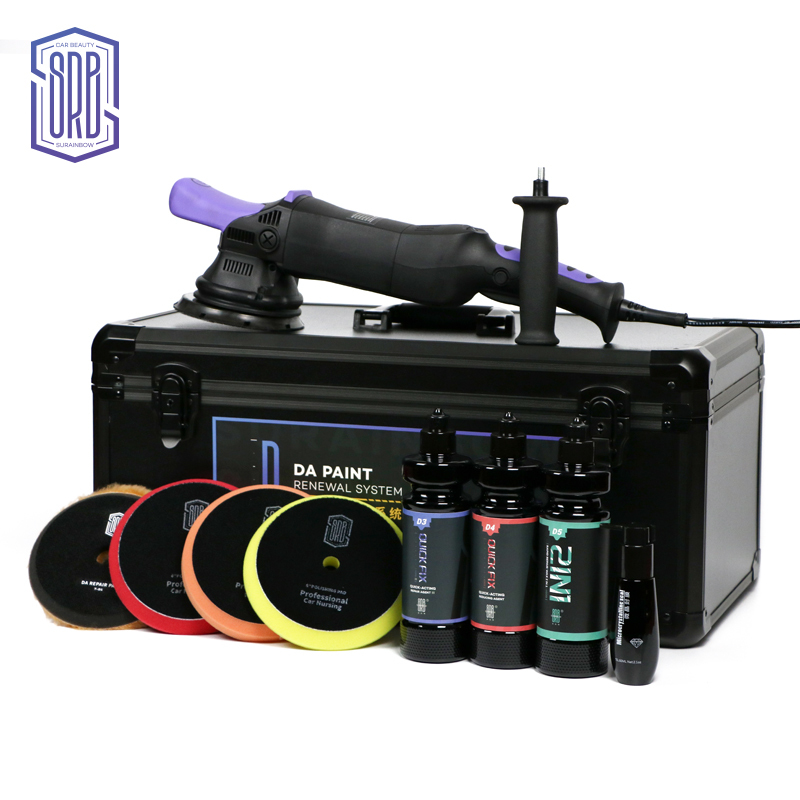
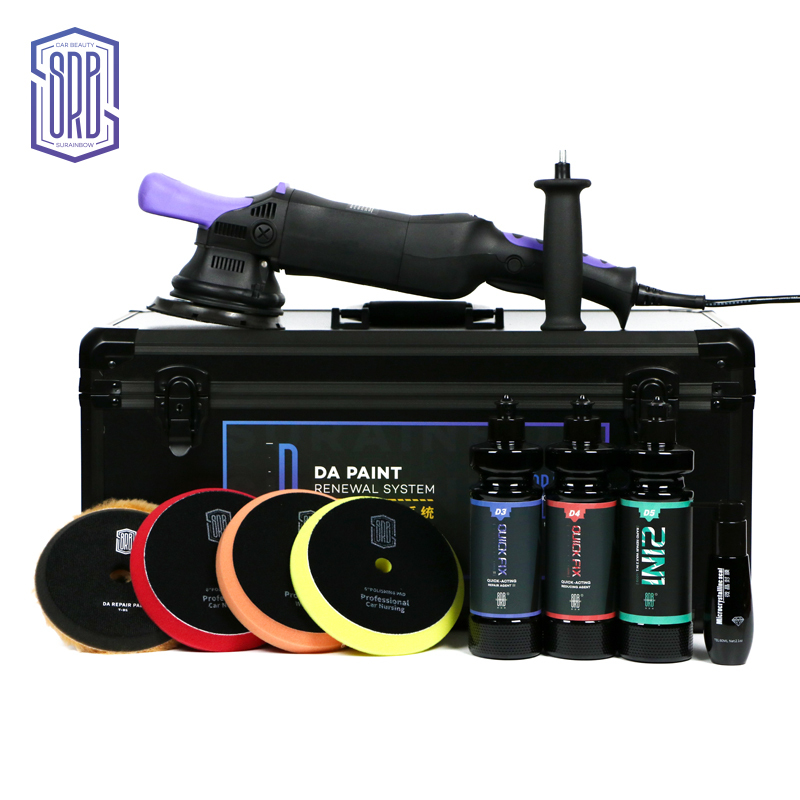


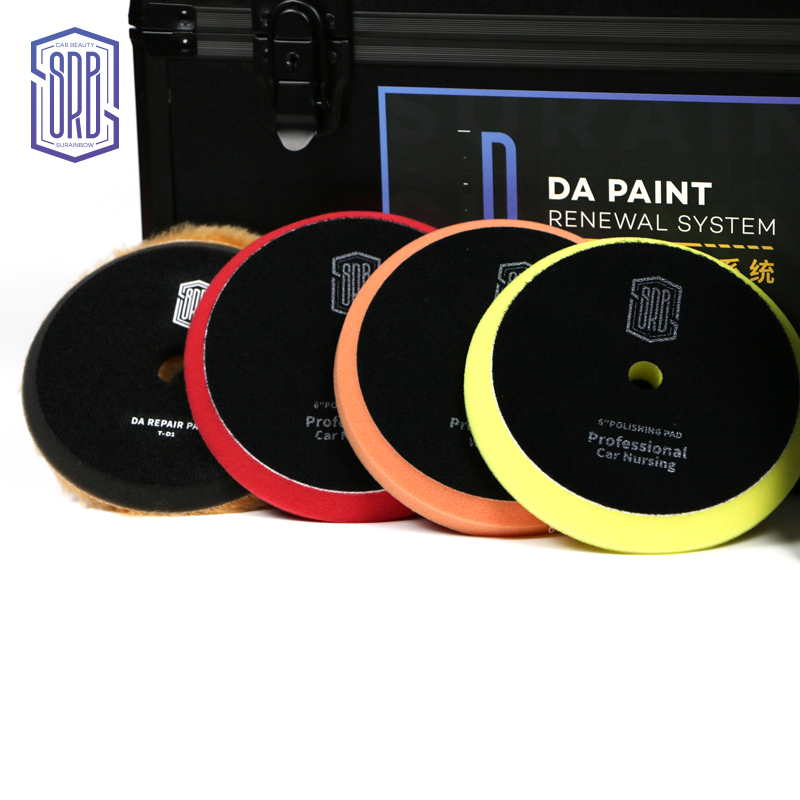
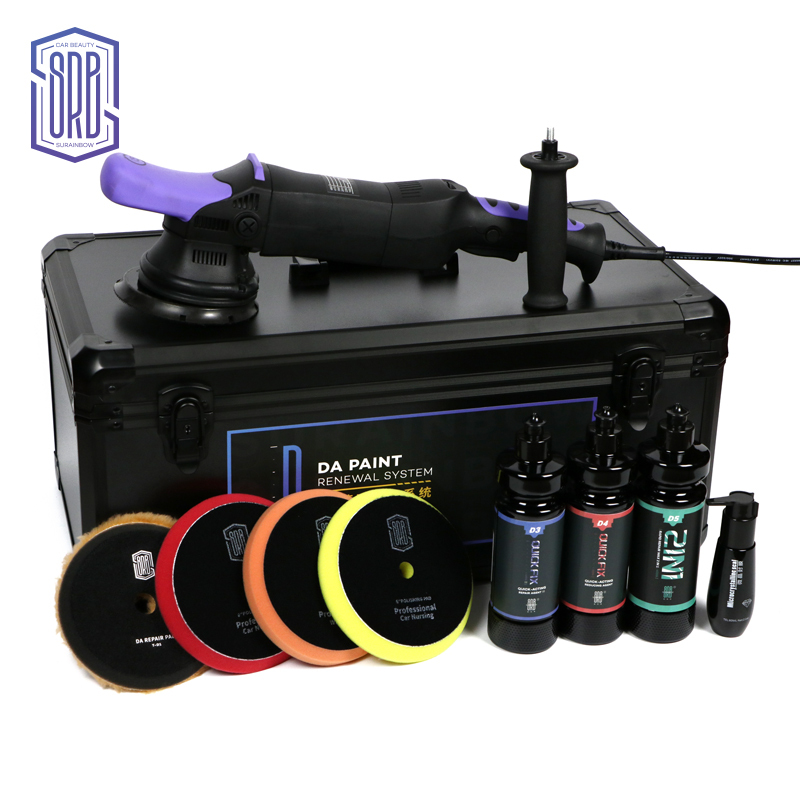
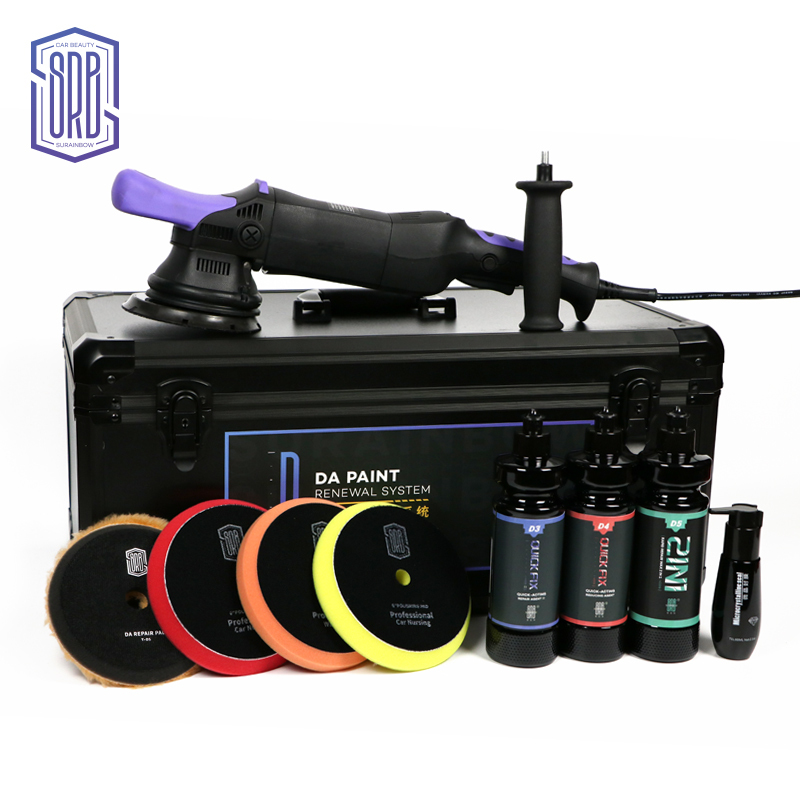
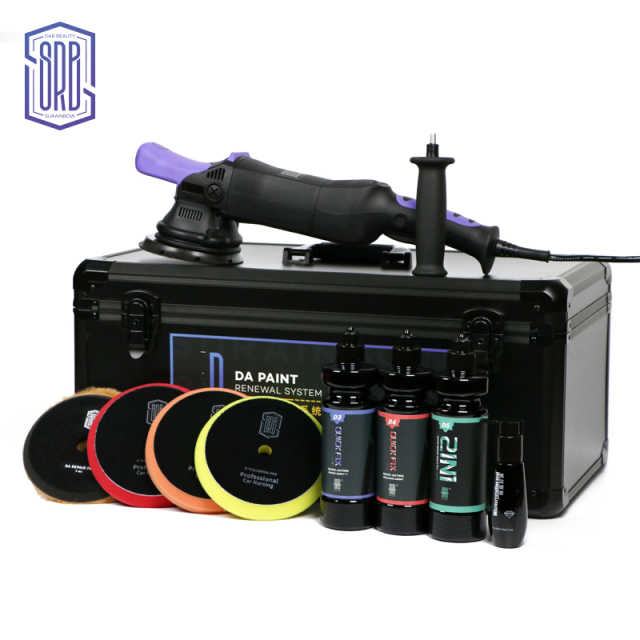
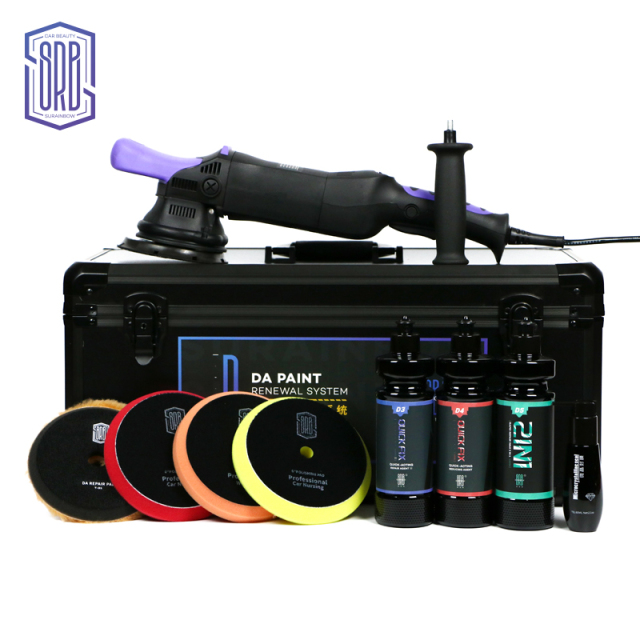
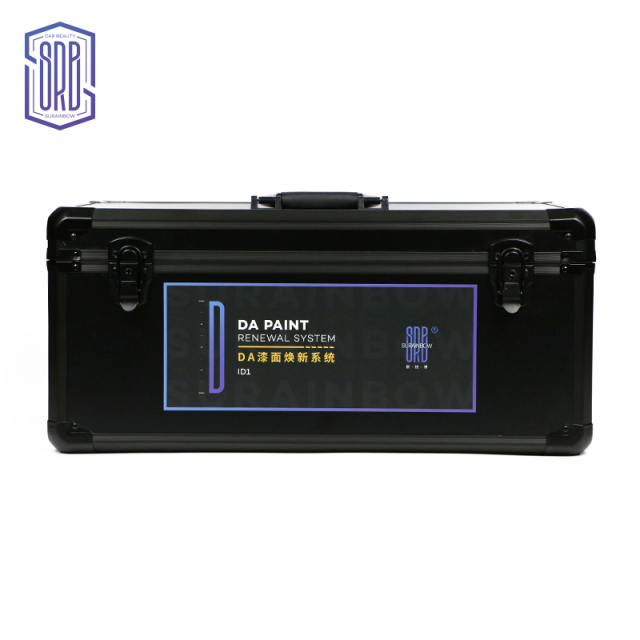

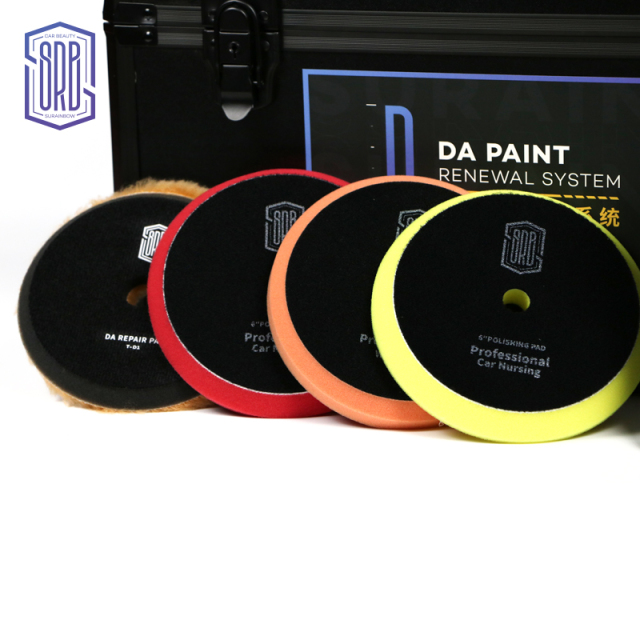


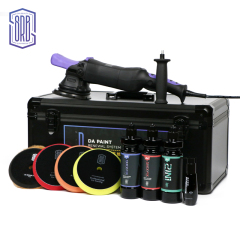
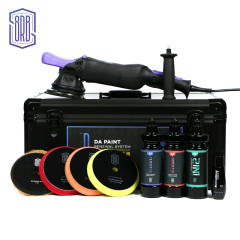
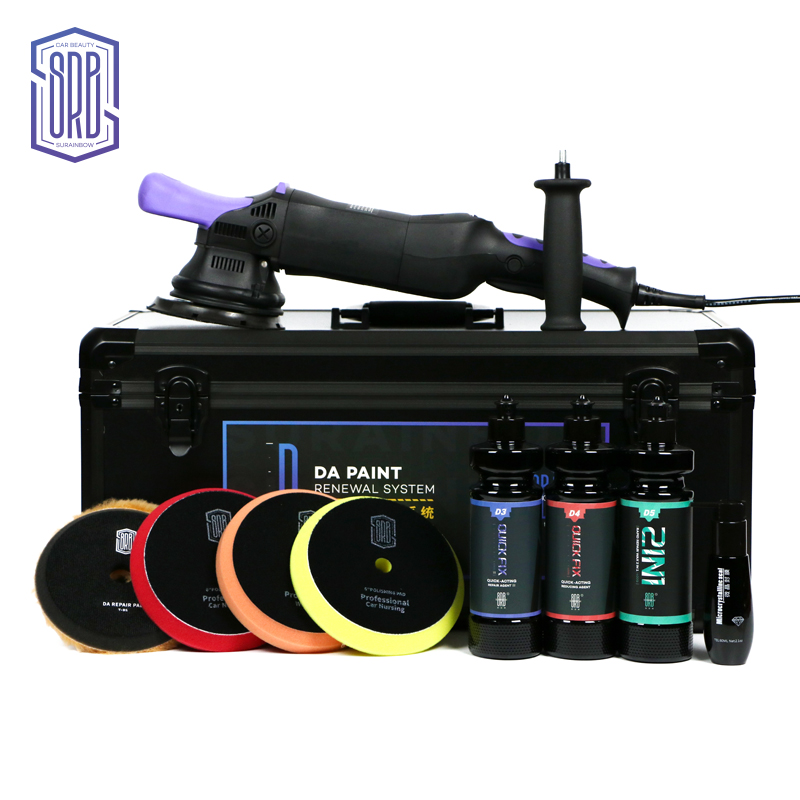
For repair facilities and detailing studios tackling paint defects, the Surainbow DA-05 Car Paint Polish Kit brings machine polishing and abrasive correction together in a coordinated configuration. The kit includes one polishing machine, three sponge pads covering heavy-cut, medium-cut and finish-cut grades, one heavy-cut wool pad, and one bottle each of three-in-one-step polishing compound, reducing agent and two-in-one-step polishing compound. Its water-based abrasive formula combines imported nano-abrasives with lubricating components, with particles breaking down into uniform, ultra-fine particles during polishing to support controlled refinement. Intended for technicians familiar with pad handling, surface inspection and coating limits, the system supports abrasive paint restoration rather than routine washing or protective finishing, without silicone oil or masking ingredients to conceal defects.
Professional repair facilities and detailing studios can tackle paint defects with a coordinated machine-polishing kit. Our car paint polishing compound system brings correction work together around the technician's process, from assessing the finish to checking the completed panel.
Automotive refinishing operators need control over abrasion, particularly when refining an existing paint film. The kit suits technicians who understand pad handling, surface inspection and the limits of the coating they are working on.
Distributors offering car detailing chemicals wholesale can supply a clearly identified correction kit for workshop customers. Its purpose is abrasive paint restoration, separate from routine washing and the application of a protective finish.
Detailing chains can use a common kit configuration as the basis for technician training. A shared configuration helps staff discuss the same components, while individual vehicles still require their own assessment.
Independent specialists and seasoned enthusiasts can also use the system for demanding restoration work. Strong-cut machine polishing calls for hands-on familiarity; it should not be approached as a risk-free treatment for an unfamiliar finish.
Used-vehicle reconditioning often combines cosmetic improvement with a realistic limit on restoration work. Alongside other professional car care products, this kit supports a dedicated correction stage before the vehicle is photographed or presented to prospective buyers. Fleet-return preparation may involve repeated contact marks around frequently handled areas. Assess those local defects individually instead of assuming the entire vehicle needs the same level of treatment. Event and display preparation places particular emphasis on defects visible under concentrated lighting. Plan the work around the actual presentation conditions so the finish is checked where it will be seen. Enthusiast restoration projects can involve panels with different histories and paint behavior. A compound and polish process can be adapted panel by panel without treating a mixed-condition vehicle as one uniform surface. Periodic appearance maintenance is appropriate only when inspection identifies correctable defects. Repeated heavy correction is not a routine substitute for careful washing and ongoing surface care.
| Property | Included configuration |
|---|---|
| Kit reference | DA-05 |
| Polisher supplied | 1 polishing machine |
| Sponge polishing pad assortment | 3 pads covering heavy-cut, medium-cut and finish-cut grades |
| Wool polishing pad | 1 wool pad in a heavy-cut grade |
| Three-in-one-step compound | 1 bottle of three-in-one-step polishing compound |
| Reducing agent | 1 bottle of reducing agent |
| Two-in-one-step compound | 1 bottle of two-in-one-step polishing compound |
Imported nano-abrasives work with lubricating components in our automotive polishing compound. During polishing, the abrasive particles break down into uniform, ultra-fine particles to support controlled refinement as the working cycle progresses.
The water-based formulation provides the working medium for the abrasive system. That composition does not remove the need to follow chemical-handling instructions or protect adjacent materials during application.
Silicone oil is excluded from the formula, and the compounds do not rely on masking ingredients to conceal defects. Correction comes from abrasive work on the paint surface rather than a temporary layer that disguises its condition.
We develop these formulations as an auto detailing chemicals manufacturer, combining abrasive action with lubrication. The lubricating components help the pad work across the surface; they are not a reason to keep polishing once the material has dried or the working behavior has changed.
Compound identity matters throughout the job. Keep each bottle associated with its own instructions and intended function, rather than assuming the different formulations are interchangeable.
Strong cutting action gives a polishing compound for car scratches the ability to address substantial surface defects. Scratch depth remains the deciding limit: damage extending beyond the safely correctable paint film may need refinishing instead.
Fast abrasive action is intended to move correction work forward without unnecessarily prolonged working cycles. Our car paint polishing compound should be worked according to its behavior on the panel, rather than kept running simply to complete a preset duration.
Low haze, flare and haloing are key finish objectives. Inspecting under directional lighting helps reveal these effects before a vehicle leaves the work area.
A bright, clear appearance should look consistent across the corrected area. Judge the finish from different viewing angles so isolated glossy patches do not hide a mismatch with the surrounding paint.
Controlled material removal takes priority over chasing every remaining mark. Stop when further abrasion would create an unreasonable risk to the finish, especially on areas with an uncertain repair history.
Sanding marks left during paint preparation or repair are a relevant correction task. Their response depends on the mark depth and paint condition; no sanding-grit removal rating is assigned to the complete kit. Oxidized paint can benefit from abrasive removal of a deteriorated surface layer where sufficient sound coating remains. An automotive polishing compound cannot restore coating that has already failed or separated. Water spots may range from surface deposits to etched defects. Identify the condition before correction, because deeply etched marks may remain after the surrounding paint has improved. Degreasing after polishing allows the corrected surface to be inspected without relying on residual product. Use a paint-compatible cleaner and check whether the finish remains consistent after the residue has been removed. Wax, sealant or ceramic protection can follow correction when the surface has been prepared to that treatment's requirements. The kit does not establish a protective service life or replace the instructions for the finishing product.
A shaded, dry work area gives independent detailers better control over the job than an exposed driveway in changing weather. Keep the vehicle surface cool enough for the compound to behave normally and pause when conditions become unsuitable.
Wash and decontaminate the vehicle before introducing a car paint polishing compound. Grit left on the surface can create additional marks when it becomes trapped beneath a moving pad.
Route the power lead away from the working face and the vehicle's paint. Use an electrical supply suitable for the tool and environment, particularly when working near areas used for washing.
Remove loose clothing and secure anything that could catch in moving equipment. Keep bystanders clear of the working area and disconnect power before handling the attachment.
Long or awkward panels may require a change in stance rather than additional pressure. Work from a stable position and pause when fatigue makes consistent machine control difficult.
Clean used pads according to their material and care instructions, allowing them to dry before being put away. Damaged attachment surfaces or deteriorated pad material are reasons to replace an accessory rather than continue using it.
Complete-kit availability for car detailing chemicals wholesale orders depends on the selected configuration and destination. Our general supply service: In stock and fast shipping. Check the stock allocation and dispatch arrangement for this kit before committing to an order.
Samples & Order Terms
Sample and courier terms are agreed before dispatch. The applicable minimum order quantity, accepted payment method, currency and payment schedule need to be confirmed for the selected kit and any customized components.
Packaging Design & Approval
OEM packaging can be discussed alongside the product brief, subject to compatibility and the agreed project scope. Review container and closure suitability, label wording, artwork, barcodes, cartons and shipping marks together. Approve the physical proof or agreed artwork version before production release, and identify that version in the order record.
Balance & Dispatch Documents
Before shipment, agree the inspection arrangement, balance-payment status, consignee details, shipping method and delivery terms. The required document set may include a commercial invoice, packing list and customs documents, depending on the destination and shipment. Establish which transport and market-entry documents apply before dispatch rather than assuming a standard set covers every country.
After-Sales & Batch Traceability
Batch records, inspection records and retained samples can form part of the agreed production record; the exact scope needs to be established for the order. Keep the order reference, available batch identification and approved specification together. Report packaging, leakage or shortage issues within 7 days of receipt, and product-quality concerns within 30 days. Include the affected quantity, clear photographs or video, and a description of storage and use so the issue can be reviewed against the agreed reference.
We are Guangzhou Liangdian Automotive Supplies Co., Ltd., an integrated manufacturing and trading company founded in Guangzhou in 2010. With 50 employees, we supply a broad range of car care products to distributors, wholesalers and brand owners. Our range lets you source across categories through one supplier, with in-stock options and fast shipping. Alongside our SURAINBOW brand, we offer OEM/ODM customization, supported by a professional R&D team that can design and develop products around your requirements.