Product Overview
One Pass, Three Actions
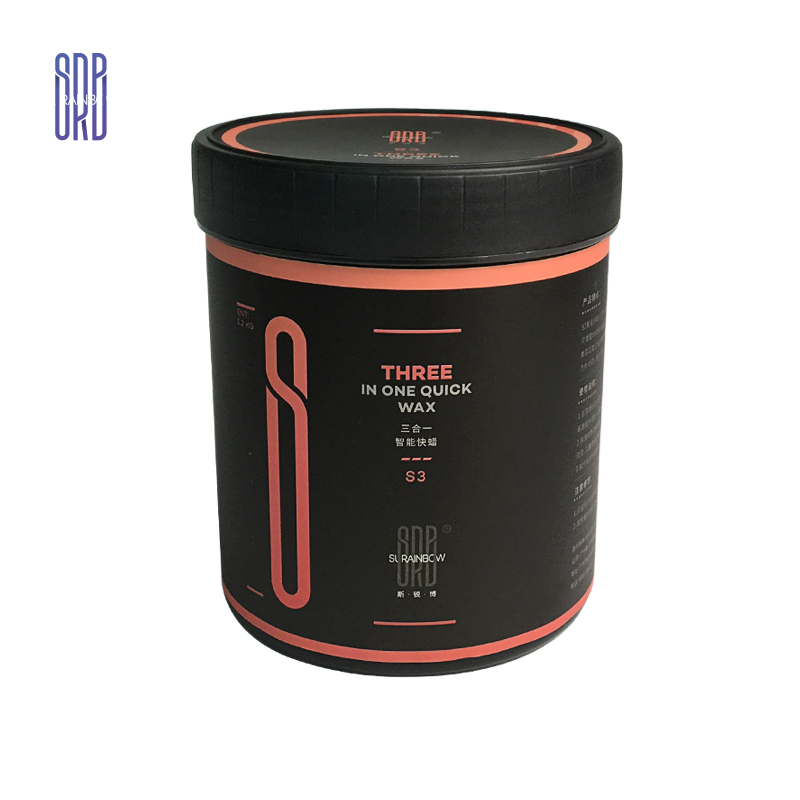
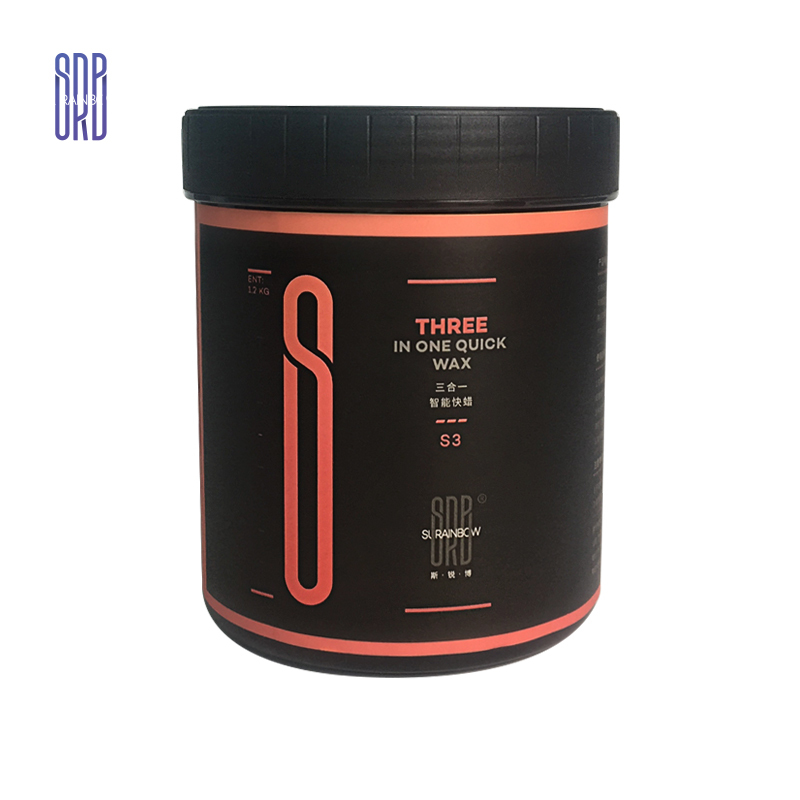
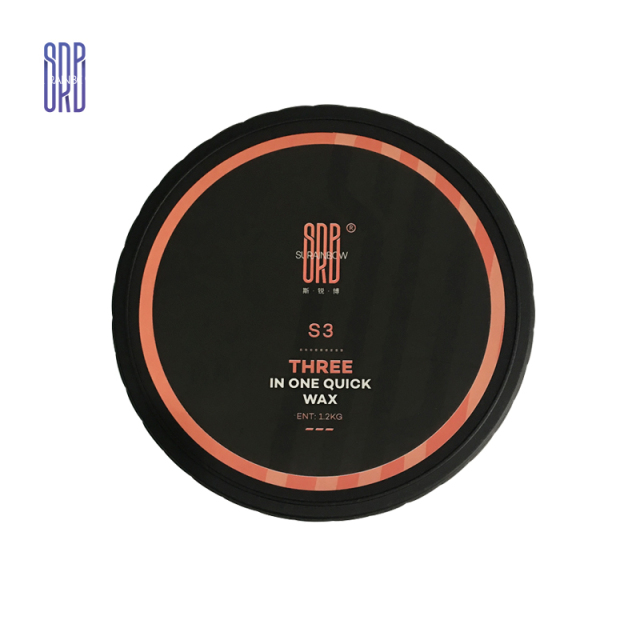
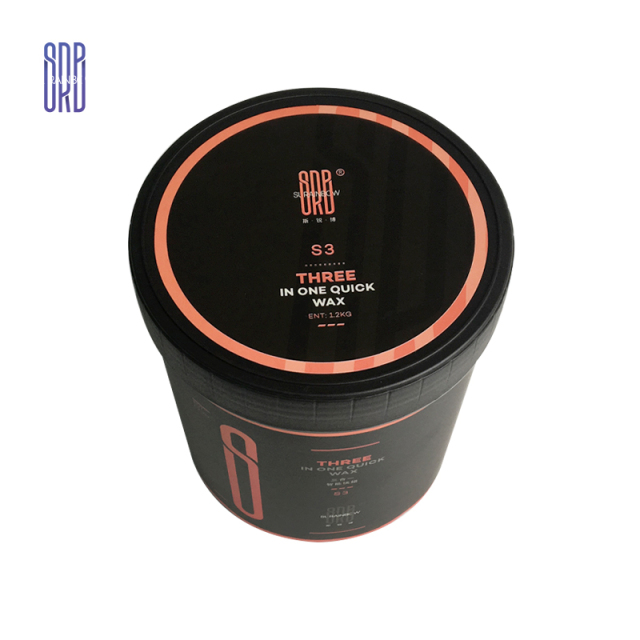
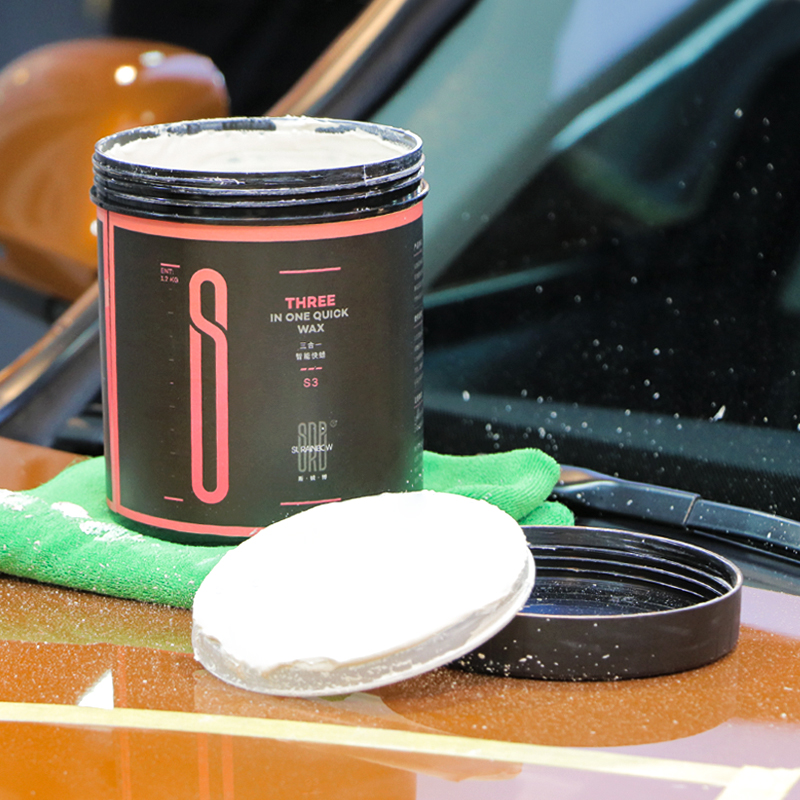
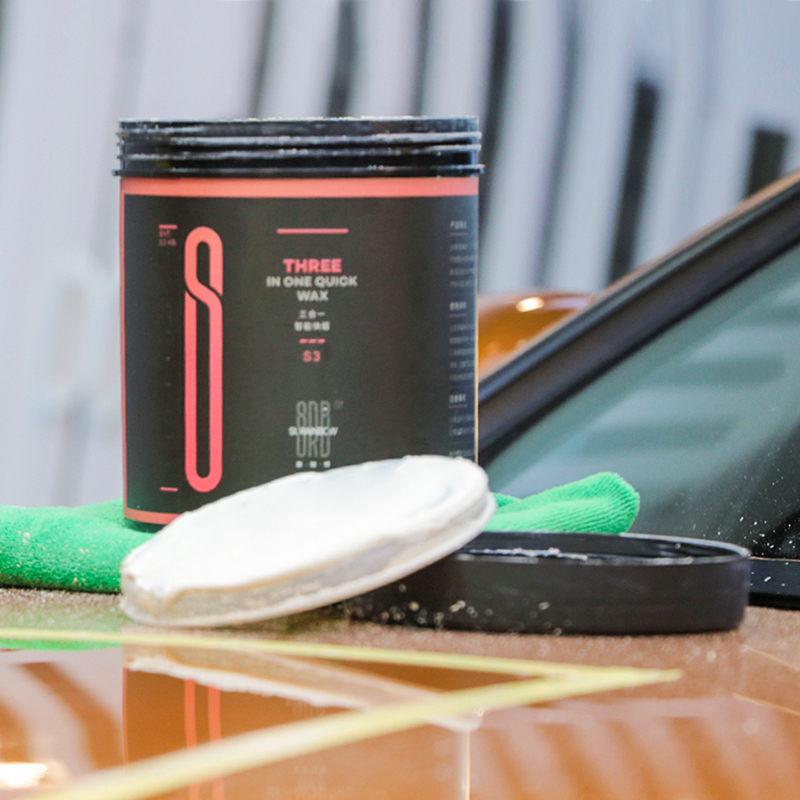
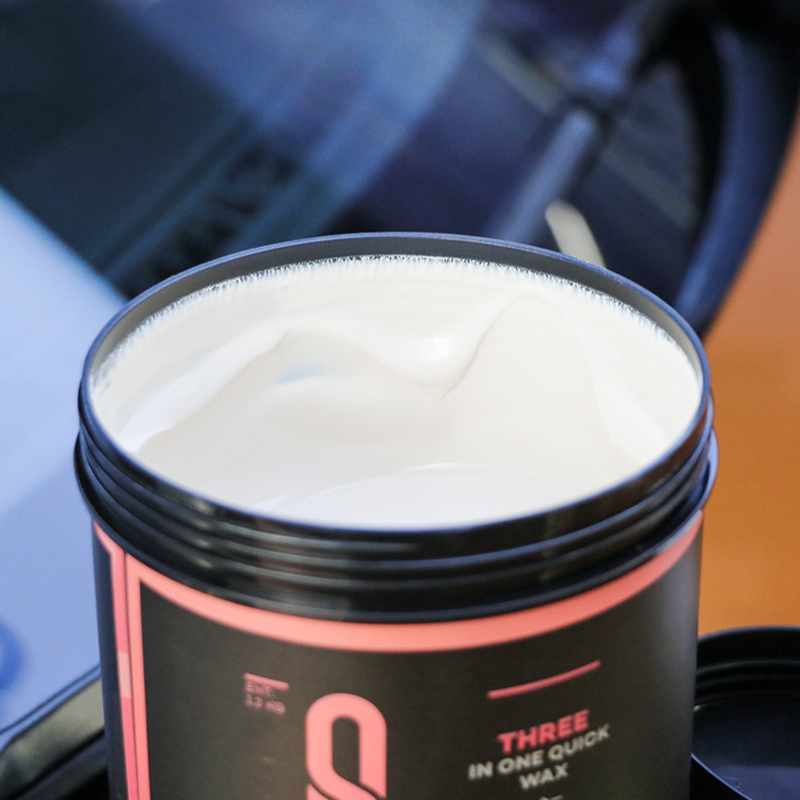
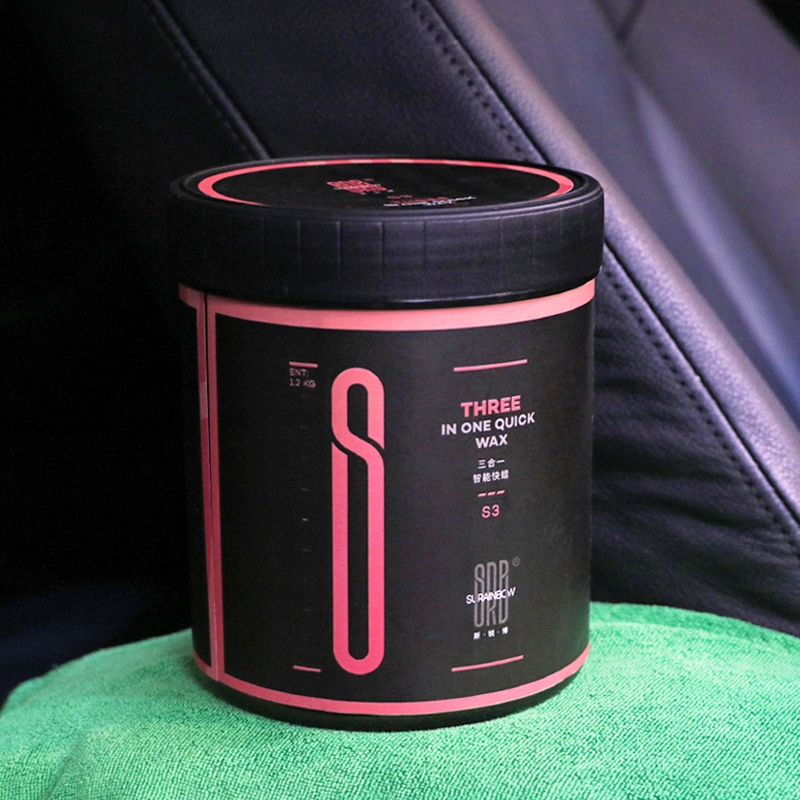
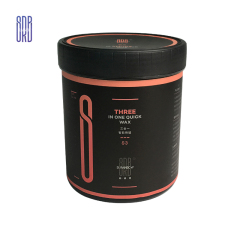
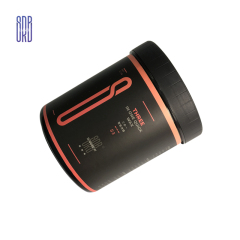
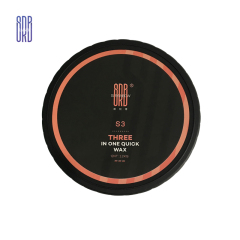
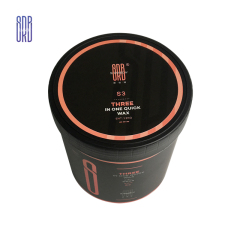
A panel that has been sanded, repaired or simply weathered usually goes through a heavy cut, then a medium cut, then a finish polish, with a wipe-down and a pad change between each stage. One pass, one pad setup, one wipe-off. We fill it as a wholesale car polish compound in a black screw-top tub with a printed wrap label, in a pack that suits both a shop bench and a distributor's shelf. Who Uses It, and Who Stocks It We are a polishing compound manufacturer and supplier to distributors, detailing chains, body shops and reconditioners, and this compound sits at the centre of the Polish series. On the floor it shortens the last stage of a job: a repaired panel that has to match the rest of the car before delivery, a trade-in that has to leave the lot looking sharp, a full car booked in and out the same day. The same formula is filled under the SURAINBOW label or under a buyer's own brand.
Key Features
- Heavy, medium and finish in one compound, the same application cuts the defect, refines the surface and brings up gloss, so this one step polishing compound replaces a three-stage routine on the pad.
- Clears the defects a repair leaves behind, dust nibs, runs, excessive spray, orange peel and the polishing marks left by an earlier heavy cut polishing compound all come out in the same pass.
- Restores dull, oxidised paint, on older panels the pass lifts the chalky, weathered top layer and brings the depth back; keep the pad moving and check the section under a light between passes.
- Leaves a wax film behind, protection goes on in the same pass, so a car going straight to delivery does not need a separate wax stage.
- Keeps a spot repair local, a small pad and the same polishing compound for car scratches work lets you treat one mark without polishing the whole panel.
Application Steps
- Wash the panel and strip tar, wax and contamination first. Compound needs bare, clean paint to bite; over old wax it simply glides.
- Inspect and mark every defect before you start, sanding tracers, dust nibs, runs, orange peel, old polishing marks, so you can check them off one by one as you work.
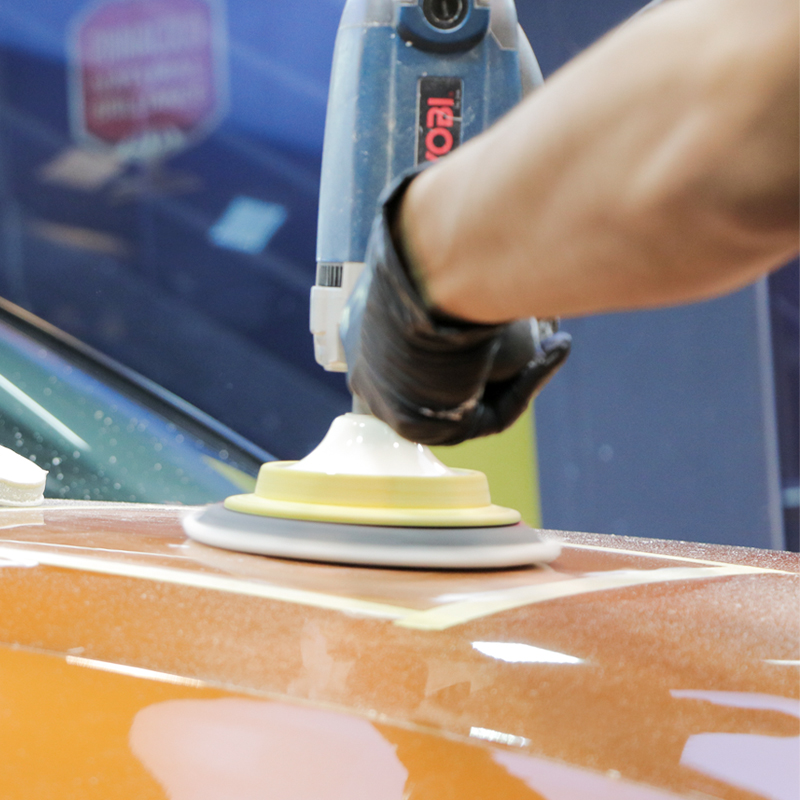
- Fit the pad: a coarse polishing sponge for general correction, or a 7-inch third-generation imported wool pad when the panel needs the most cut. Prime it with a thin, even film of the one step polishing compound and spread it at low speed before you load the panel.
- Set the polishing machine to 1800 RPM. That is the speed this compound is specified for on a Black & Decker or Decker polishing machine; running faster dries the film and heats the paint without cutting any quicker.
- Work one section at a time with the pad flat, overlapping your passes and letting the machine do the work. Pressing harder removes paint, not defects.
- Wipe the residue off with a clean microfiber while it is still soft, then inspect the section under a bright light at an angle.
- Repeat only on the marks that are still there, with a fresh film of compound and a fresh pad face. Two controlled passes are safer than one long pass held in the same spot.
- Clean the pad before the next panel or the next product. Compound left to dry in the foam or wool changes how the next section cuts.
Specifications
| Product name | Surainbow One-Step Polish Compound |
| Model | No. S-310 |
| Action | Three in one: heavy cut, medium cut, finish |
| Cut | Removes P2000 abrasive marks on clear coat |
| Finish | High gloss with a wax film in the same pass |
| Machine speed | 1800 RPM |
| Pads | Coarse polishing sponge; 7-inch third-generation imported wool pad |
| Machine compatibility | Black & Decker / Decker polishing machine |
| Surfaces | Automotive clear coat, painted panels, oxidised paint |
| Defects addressed | Dust nibs, runs, excessive spray, orange peel, polishing marks |
| Application | Car paint polishing compound on clear-coated panels |
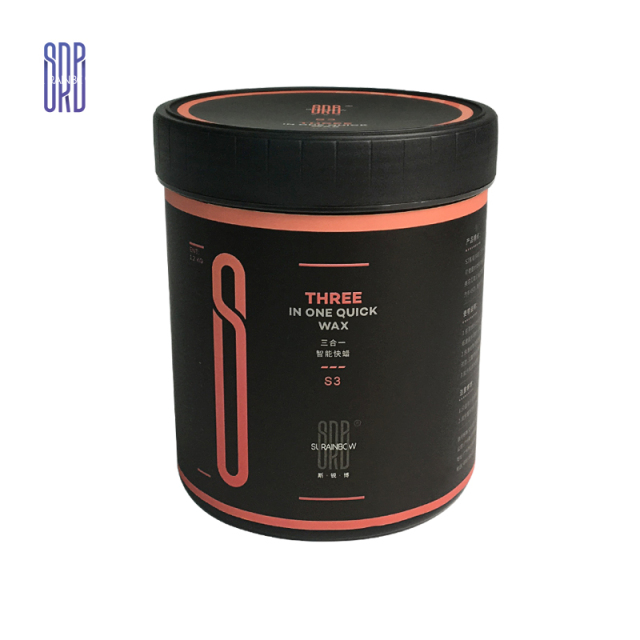
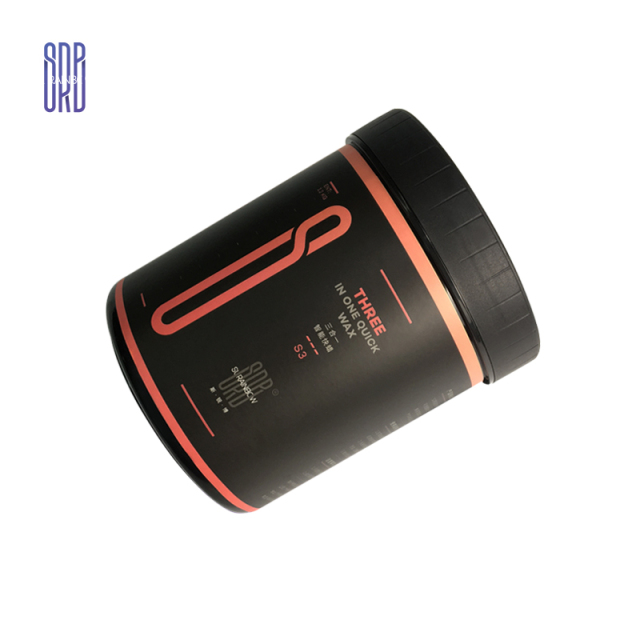
| Pack | Black screw-top tub with printed wrap label |
Compound & Formula Notes
The tub holds a ready-to-use compound: no dilution, no mixing, no second bottle to carry to the bay. You load the pad and work. Ask your sales contact for the set that matches your destination, because the required documents differ from country to country. We do not publish a partial ingredient list here, as the polishing compound manufacturer, we point you to the controlled document for your market. Two practical notes about how it behaves. It cuts, it does not fill: any defect that disappears during the pass and returns after a wash was never removed, so look at the panel again once the residue is off. And it is built for clear-coated automotive paint. On a matte finish, a wrap or a fresh repair, test a small area first and confirm the cure window with the painter before you compound a whole panel.
Sampling & Test Panel Approval
- Choose the test panel: an off-cut of clear-coated panel, or an inconspicuous area on the car, prepared with the same defect you see in production, a sanding tracer, a run, a patch of orange peel.
- Split the area in two. Run this compound on one half and your current heavy cut polishing compound on the other, so the comparison is against something you already trust.
- Match the conditions on both halves: same machine, same pad type, same speed, same number of passes, both worked while the film was still wet.
- Write down what you did, pad, speed, passes, working time, wipe-off and the result under the light. A test nobody recorded cannot be repeated on the next order.
- Score the things that cost money in a shop: defect removal, gloss after the wipe, how much residue the towel takes, and total minutes on the panel.
- Keep the approved panel, and one sealed tub from the same batch, as the reference the bulk order is checked against.
- As a one step polish compound supplier we would rather you judge it on your own paint than from a photograph. Tell your sales contact what you intend to evaluate and ask about sample availability before you plan the test.
Use, Storage & Pad Care
- Screw the lid down between passes, the compound skins over when it is left open, and a dry crust on the rim ends up on the pad.
- Store it out of direct sun, a cool, dry shelf keeps the consistency stable; a tub that has sat in a hot container over a summer is no longer the reference you approved.
- Do not let residue dry on the panel, work a section, wipe it while it is soft, then move on. Dried compound takes more work to lift than the defect did.
- Mask the edges first, keep car paint polishing compound off textured black trim, rubber seals and glass borders; if it does land on trim, wipe it off straight away rather than at the end of the job.
- One pad, one product, keep a small spot pad for polishing compound for car scratches work separate from your main cutting pads, and never share a pad between two compounds.
- Clean pads the same day, rinse the foam or wool, squeeze it out and dry it flat; a pad cleaned before the compound sets cuts the same on the next car.
- Watch the panel temperature, if it feels hot to the back of your hand, ease off and let it cool. Heat is what dulls a finish that was coming up well.
Ordering & Delivery
- Send the brief: pack size, label language, destination market, expected volume and whether the label carries your brand. Wholesale car polish compound orders are quoted per pack and per carton once those points are clear.
- MOQ, price and lead time are confirmed in the quotation for the pack and label you choose. They move with the pack size and the artwork, so there is no fixed figure to quote before the brief is settled.
- Packaging and label proofing come next: artwork, carton, barcode and shipping marks are proofed and signed off before the run starts, and the approved proof is the version we fill to.
- Production and balance: the run is scheduled once the reference and the proof are approved, and balance payment and documents are settled before dispatch. Confirm the accepted payment method, currency and schedule with the commercial offer.
- Documents: safety data sheet, CoA, GHS label information, commercial invoice, packing list and customs documents are confirmed for your market in the quotation, so the importer knows what is arriving.
- Dispatch: In stock and fast shipping applies to standard SURAINBOW lines. The shipping method, courier, sea, air, rail or truck, is confirmed with your terms and destination before booking.
- After-sales and batch traceability: report leakage or shortage within 7 days of receipt, and any quality concern within 30 days, with the batch number, quantity affected, photos or video, and how the product was stored.
- As your one step polish compound supplier, we keep the approved reference and the batch records on file, so a repeat order is filled to the same standard rather than to a fresh interpretation.
Scale & Supply Capability
SURAINBOW is run by Guangzhou Liangdian Automotive Supplies Co., Ltd., a factory-trade operation set up in Guangzhou in 2010 and now 50 people strong. Sixteen years in car care have given us a one-stop supply position: our own SURAINBOW lines are held in stock for fast shipping, and an associate factory with modern production equipment and an established quality management system keeps replenishment moving. We take OEM and ODM work and our R&D team develops to your specification. Buyers in the Middle East, the United States, Southeast Asia, Europe, the UK, Russia, Africa and Australia already order from us.
- A sealed reference on file, the panel and tub you approve become the bulk acceptance reference, so the next run is compared against a physical standard instead of someone's memory.
Traceable to the fill, every tub carries a batch reference, and as the polishing compound manufacturer we keep the raw-material and filling records behind it, so a question about one batch can be answered from that batch's own paperwork.
Retained samples, a sample from each run is kept, which is what makes a comparison possible months later when a customer reports a difference.
Checks before release, appearance and consistency against the reference, tub and lid seal, and label and carton against the approved proof.
Repeat orders held to the same standard, a batch of automotive polishing compound is compared with the reference under the same light and with the same pad before release, not judged on the drum it came from.
If a batch reads differently, compare it with the retained sample using the same pad and speed first. If it still reads differently, send photos, the batch number, the quantity affected and how it was stored, so the review has something concrete to work from.
FAQ
Can this one step polishing compound remove P2000 sanding marks in a single pass?
On most clear coats, yes, that is the job it was built for. Work the section with a primed pad at the specified machine speed, wipe the residue and inspect under a light. Deep tracers from heavier paper, or a panel carrying several stacked repairs, may need a second controlled pass with a fresh film of compound; two short passes are normal and still quicker than a three-stage routine.
Is car paint polishing compound safe on a freshly repaired panel?
It is made for clear-coated automotive paint, but a fresh repair needs its cure window respected before anything abrasive touches it. Confirm the recoat or cure window with the painter or the paint supplier, then test a small area first. Once the film is fully cured, the compound behaves the same as it does on factory paint.
Does this automotive polishing compound fill defects or actually remove them?
It removes them. The cut comes from abrasive, and the wax film left behind is protection, not a filler, if a mark vanishes during the pass and comes back after a wash, it was not fully removed and needs another pass. Judge the panel with the residue wiped off, not while it is still wet with compound.
Can polishing compound for car scratches be used on one small area without doing the whole panel?
Yes. Use a small pad on a machine and keep the work inside the damaged area, feathering the edge so the repair does not read as a patch against the surrounding paint. Scratches you can feel with a fingernail have gone through the clear coat and are a repaint decision, not a compounding one.
Do I still need a separate heavy cut polishing compound in the shop?
For most clear-coated work, no, the heavy cut and the finish happen in the same pass here. Keep a dedicated heavy cut compound for the occasional panel where damage is deep and the paint is hard, or where a repair has to be levelled aggressively before finishing. Everything after that can come back to this product.
Will it work if I apply it by hand instead of with a machine?
Machine application is what the product is specified for, and hand work will not reach the same cut or the same even finish across a panel. For a small spot where a machine will not fit, a hand pad can take the edge off a mark, but plan on a machine pass if the result has to match the rest of the car.
Do I need to strip the wax film before applying a coating or sealant?
Yes. The pass leaves a wax film, and a coating needs bare, clean paint to bond. Wipe the panel down with a paint prep or a degreaser after compounding, then apply the coating to the prepared surface. If the car is only being cleaned up for delivery, the wax film can stay.