Product Overview
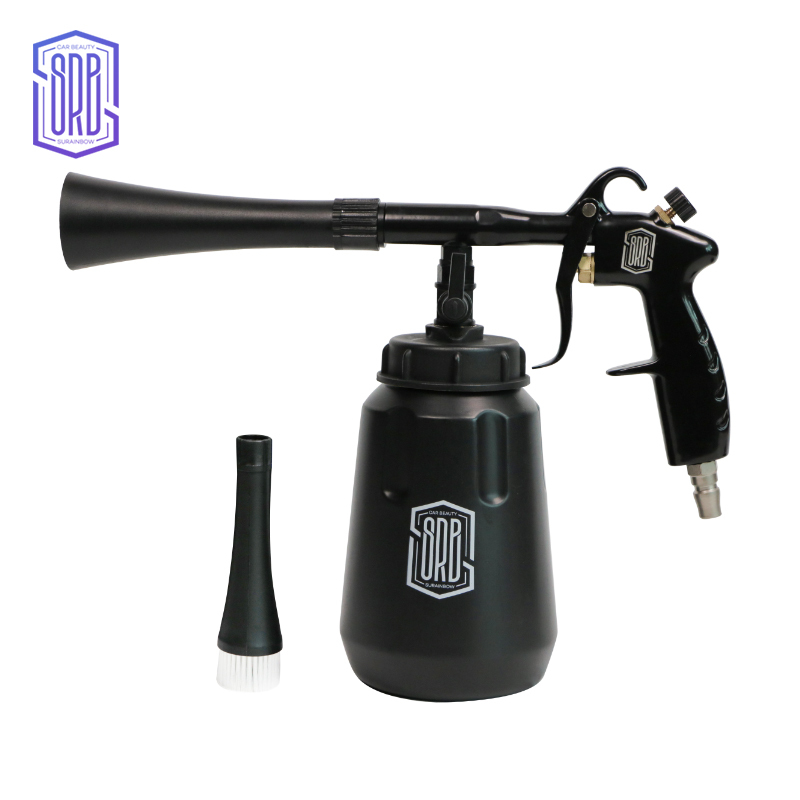
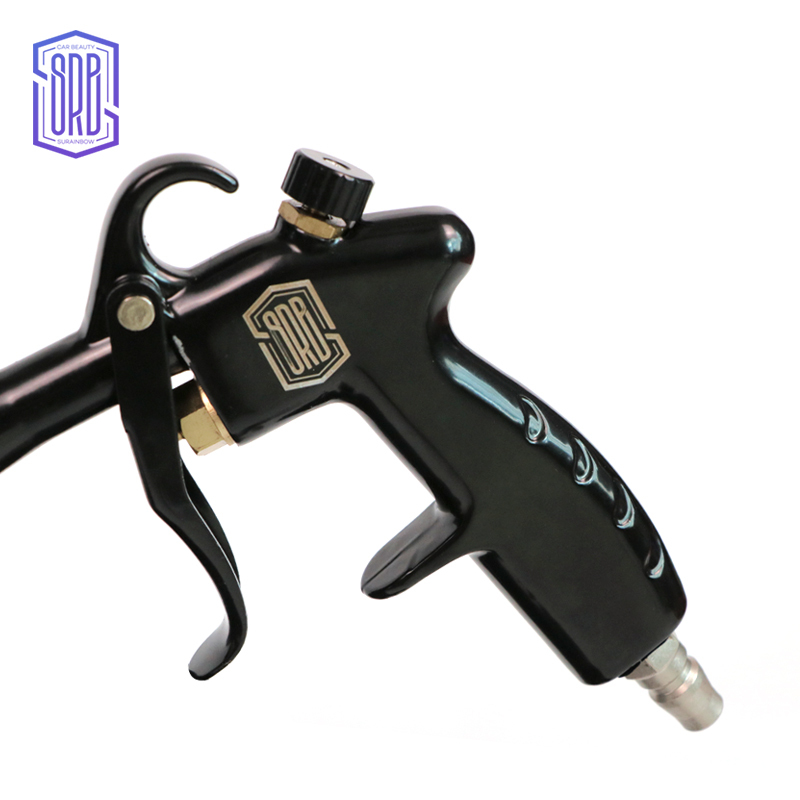
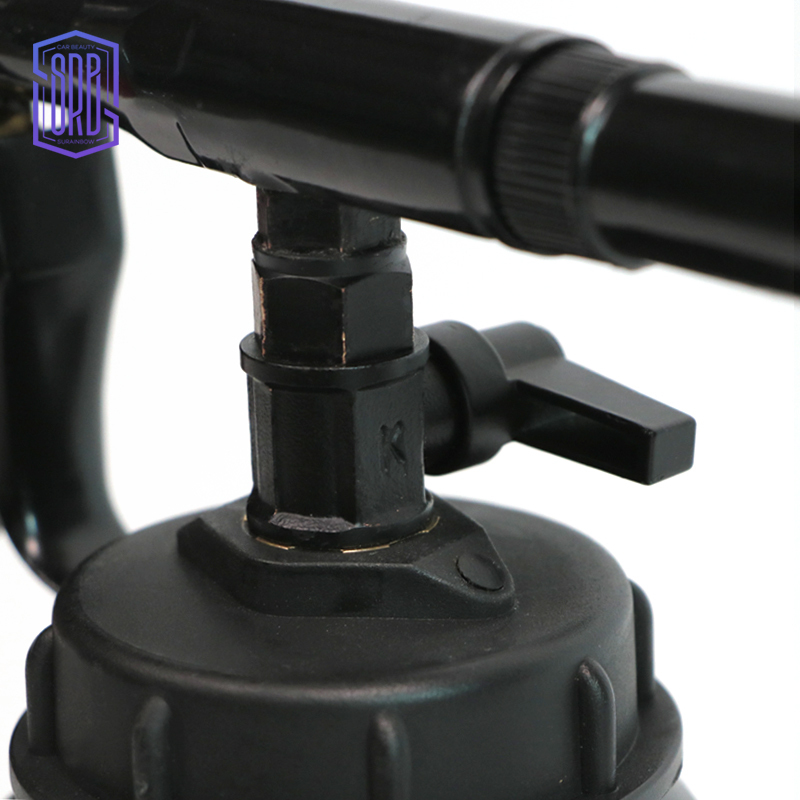
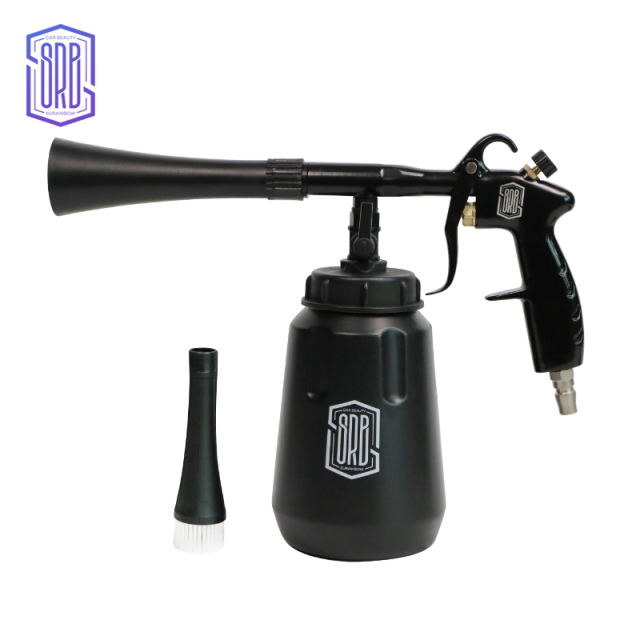
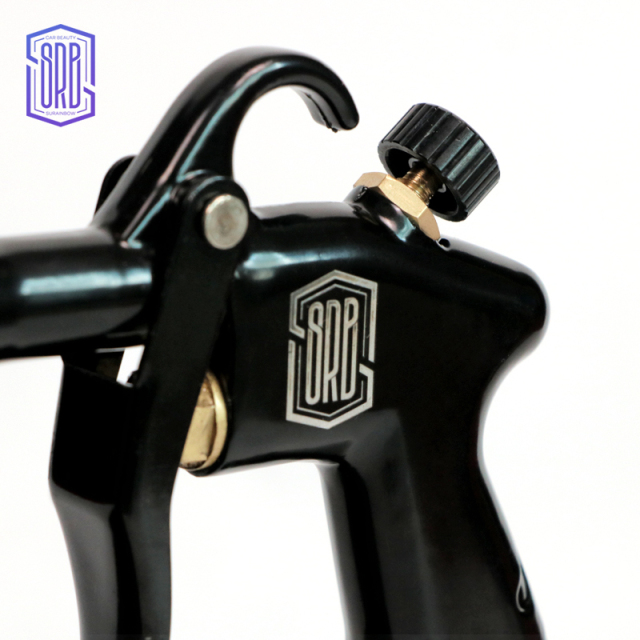
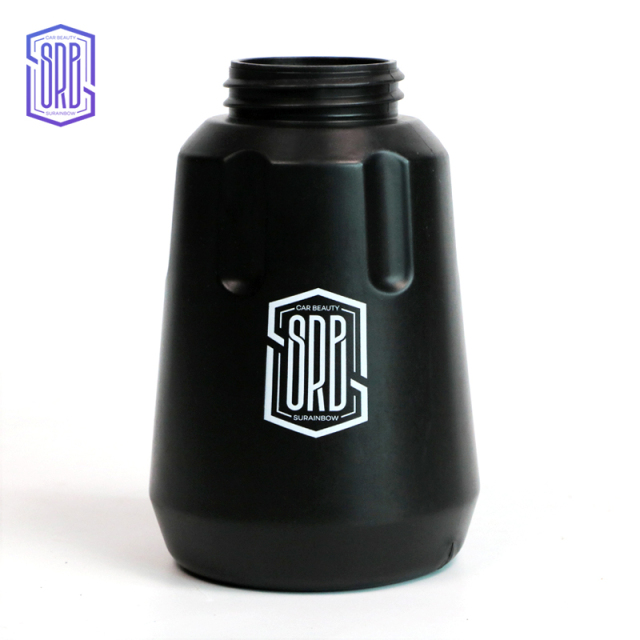
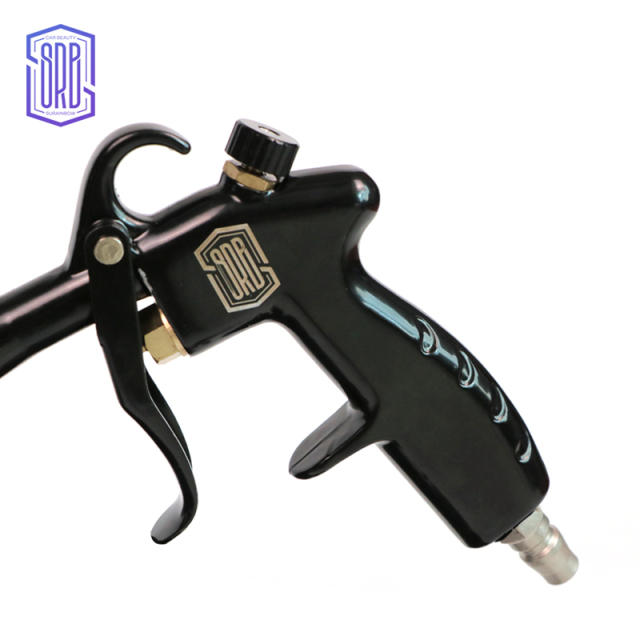
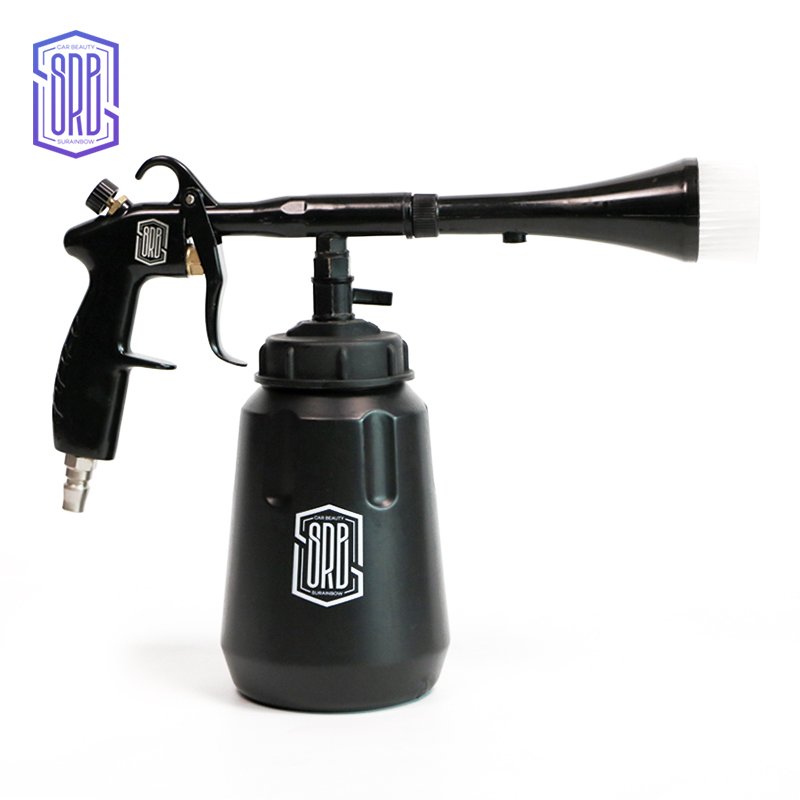
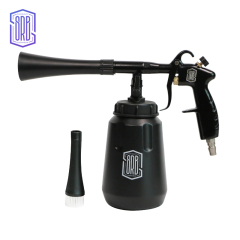
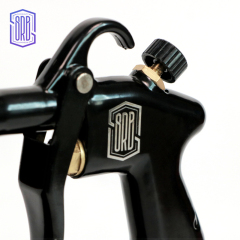
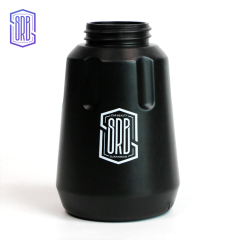
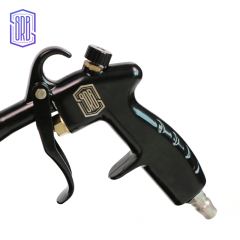
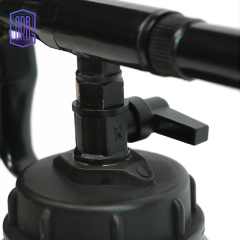
For wet/dry car interior cleaning, the SURAINBOW Tornado Interior Cleaning Bearing Gun T-116 combines aluminum alloy and special anti-rust material construction with an attached liquid reservoir and tornado spray action. White bristles surround the flared nozzle opening, while a contoured pistol grip, curved trigger lever and ridged adjustment knob place the controls around the handle. The gun measures 23 × 30 cm and weighs 0.75 kg, with a threaded bottle neck and molded vertical recesses for purchase during handling. Before connecting it to a compressed-air supply, confirm the model’s operating pressure, air consumption, connector thread and hose requirements, and check cleaner and surface compatibility before use.
Construction & Controls
- Aluminum alloy + Special anti-rust material provides the specified construction for this black interior-cleaning gun; no particular alloy grade or surface-treatment chemistry is specified.
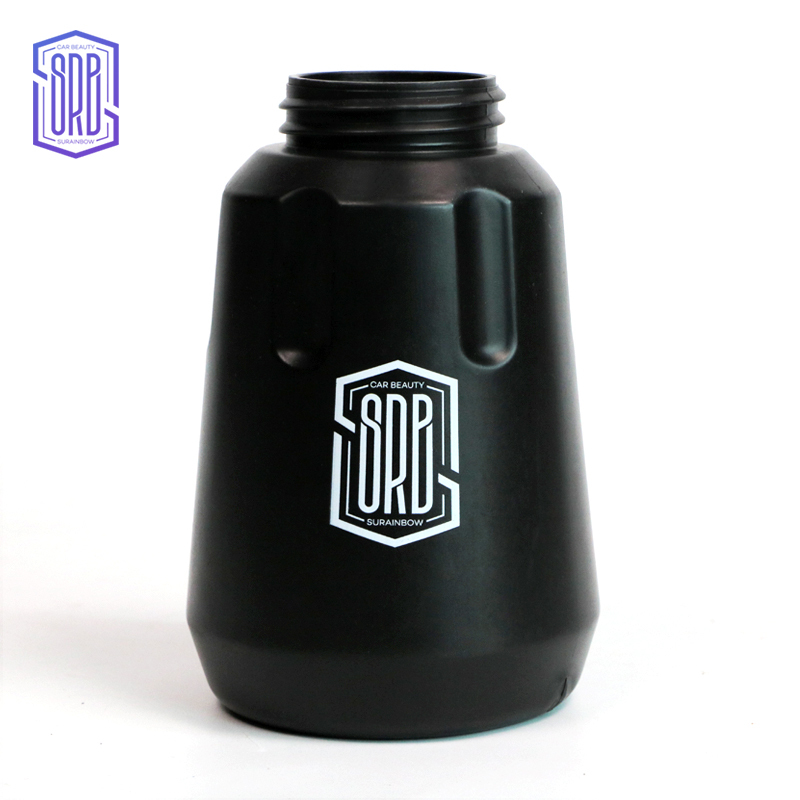
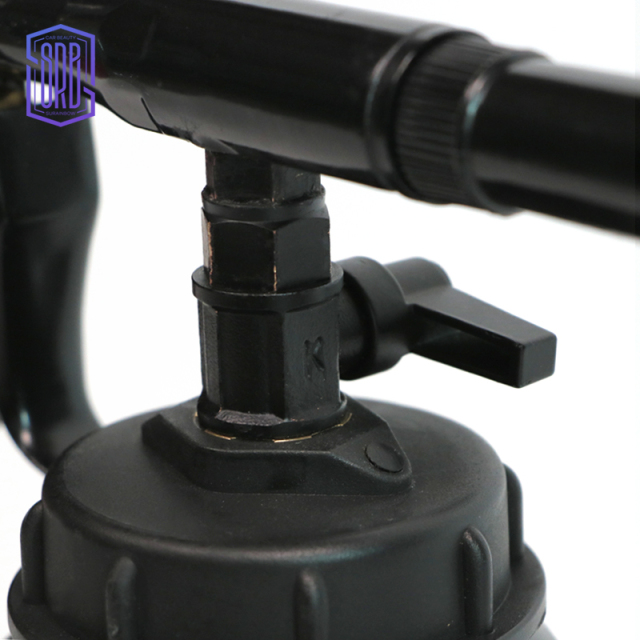
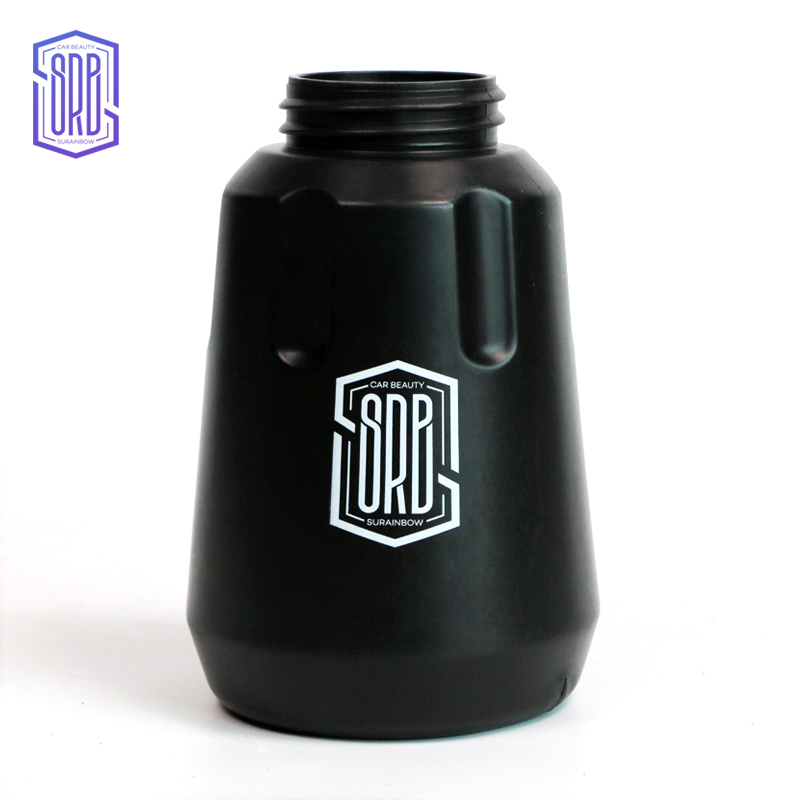
- An attached liquid reservoir keeps the cleaning liquid with the handheld assembly. The bottle has a threaded neck and molded vertical recesses that provide purchase when handling it.
- White bristles surround the flared nozzle opening, bringing a brush-contact element to the working end. Brush contact remains dependent on the finish being cleaned.
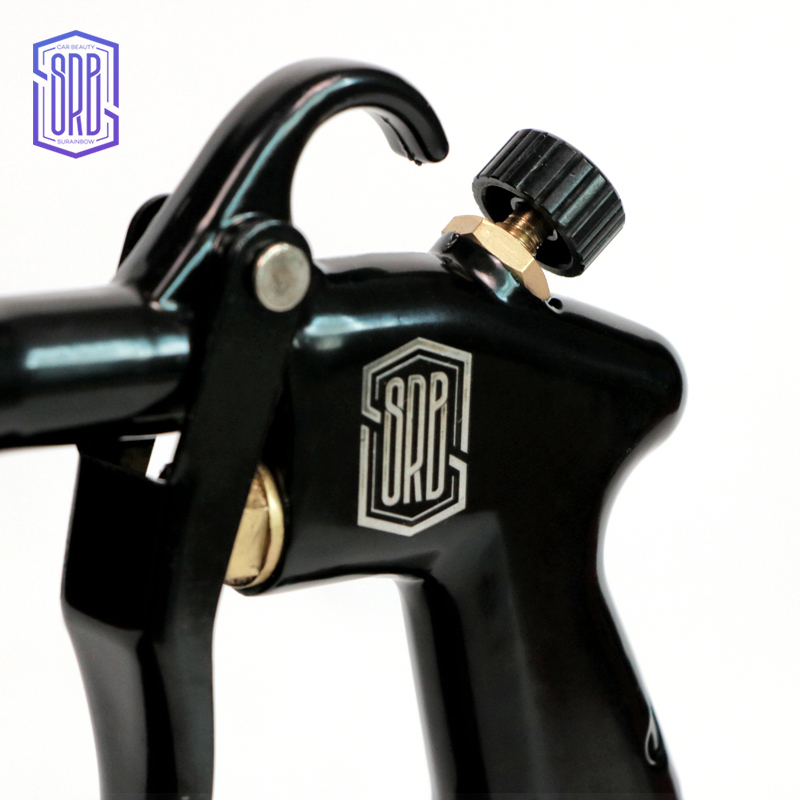
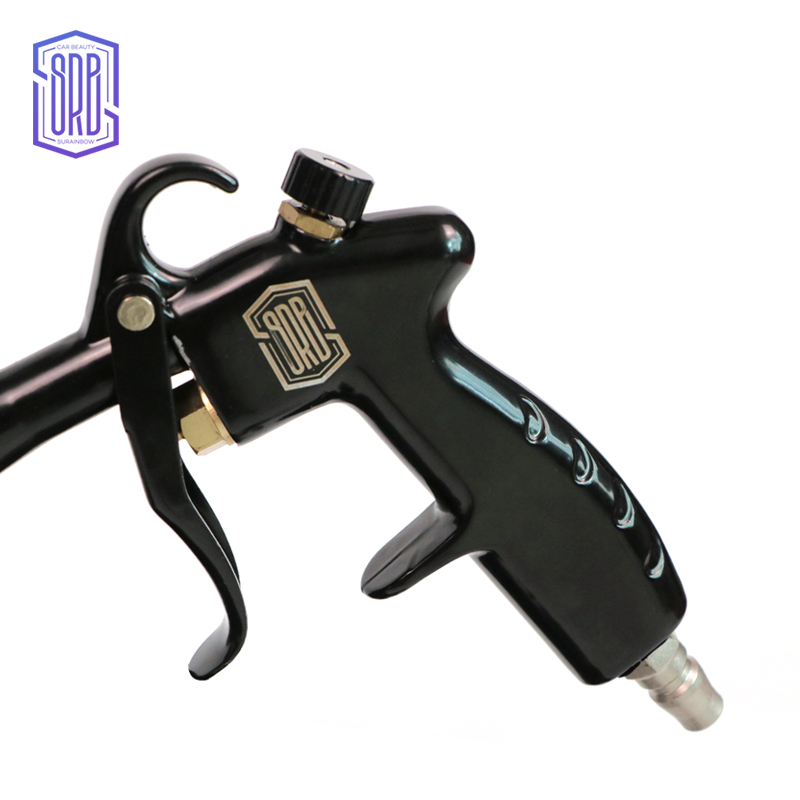
- A contoured pistol grip and curved trigger lever bring the main hand controls together. When comparing cleaning tools, check trigger reach and grip comfort with the gloves normally worn during detailing.
- A ridged adjustment knob provides a distinct control surface beside the handle. Its function and adjustment direction need to follow the operating instructions for this model.
- Tornado spray action supports strong cleaning and efficient interior work. The result depends on the soil, cleaner, surface and operating setup, so no fixed cleaning rate or time saving is specified.
Product Specifications
| Property | Value |
|---|
| Brand | SURAINBOW |
| Model number | T-116 |
| Place of origin | Chongqing, China |
| Product type | Car washer |
| Product dimensions | 23 × 30 cm |
| Product weight | 0.75 kg |
| Output power | No numeric power rating specified |
| Packaging type | Carton box |
| Quantity per box | 1 piece |
| Single-package dimensions | 33.5 × 13.5 × 26 cm |
| Single-package gross weight | 3.000 kg |
Air Supply & Applications
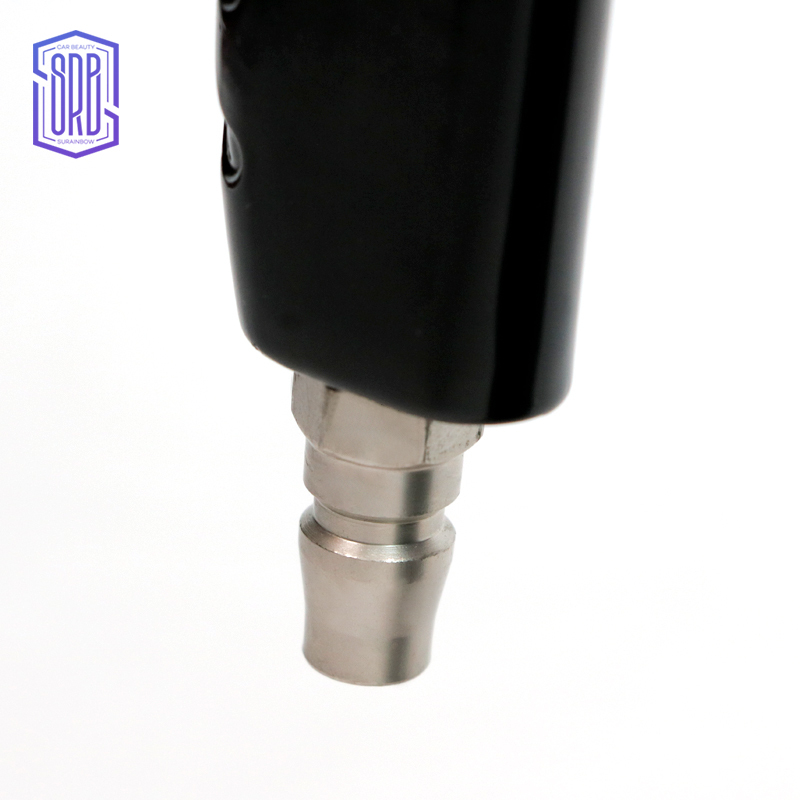
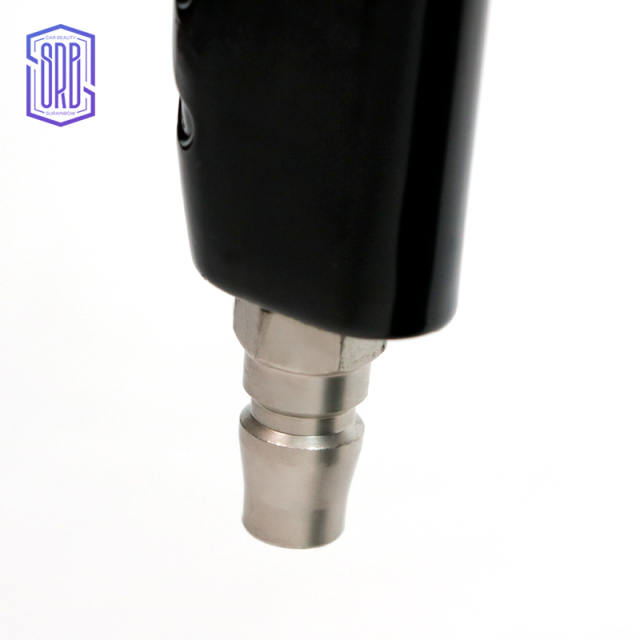
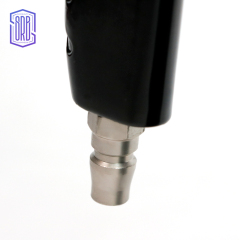
Compressed-air cleaning tools for car interiors need an air supply matched to the gun. Before connecting this model, obtain its operating pressure, air consumption, connector thread, hose requirements and reservoir capacity; the handle-base fitting alone does not establish compatibility with a workshop hose.
Wet/dry interior cleaning is the intended application. The operating instructions must establish the liquid-feed settings, permitted air-only operation and any extraction capability before these functions are used. Voltage and rotational-speed requirements, where relevant to the equipment specification, also need model-specific technical information.
Seat seams and stitched trim require care around thread, adhesives and underlying padding. Use the gun in these areas only where the material manufacturer's instructions permit pressurized cleaning, and avoid forcing moisture beneath the surface.
Carpet edges and removable floor-mat contours call for controlled application and a way to collect loosened dirt. Keep the work area clear enough to inspect the treated section and allow any permitted wet-cleaning process to dry fully.
Door-trim recesses and other shaped interior details can contain adjacent switches, speakers and electrical connections. Protect those components and keep the spray away from openings that could admit liquid into the assembly.
Cleaning liquid must suit both the interior material and the gun's wetted components. Use the cleaner's own application directions, and obtain compatibility guidance for solvents, strongly acidic or alkaline products, and other aggressive formulations before filling the reservoir.
Testing & Sample Approval
- A representative interior test area gives a trial unit a meaningful task. When testing cleaning tools for car interiors, record the substrate, finish and soil condition so the result can be compared with later work.
- Assemble the trial unit against the agreed component list and inspect its connections before operation. Record the actual air-supply setup and control settings used during the trial.
- Begin on an inconspicuous area and inspect the dried result for color transfer, marking, raised fibers or a change in finish. Stop the trial if the surface reacts adversely.
- Assess handling during the intended working motion, including nozzle access and hose movement. A short demonstration on an easy surface should not substitute for testing the actual interior task.
- Record the accepted result with photographs and written observations. If the trial unit will become an acceptance sample, agree its identification, test conditions and acceptance criteria before approving it.
Cleaning & Maintenance
- Residual cleaner can affect later work, so clean the reservoir and liquid path by the method permitted in the operating instructions after use. cleaning tools for car interiors should not carry residue from one chemical into another.
- Disconnect the air supply and release trapped pressure before opening, removing or servicing components. Keep the trigger protected against accidental operation during handling.
- Bristles need to remain clear of grit and dried deposits. Remove contamination gently and inspect the nozzle opening without pushing sharp objects into it.
- Reservoir threads and sealing surfaces need to be clean before reassembly. Start threaded parts carefully and avoid forcing a connection that does not engage smoothly.
- Changes in trigger return, leakage, spray consistency or mechanical sound deserve inspection before continued use. Follow the model's service instructions rather than adding an unspecified lubricant or dismantling the bearing assembly without guidance.
- Replacement bottles, nozzles and air fittings need matching threads, seals and connection geometry. Compare the original component and its dimensions before fitting a replacement; similar appearance does not establish interchangeability.
Packaging & Delivery
Each carton box contains 1 piece, and the selling unit is a single item. The single-package size is 33.5X13.5X26 cm, with a single gross weight of 3.000 kg. These are packed measurements for shipment planning.
Packaging Design & Approval
The supplied gun assembly and any separate attachments should be written into the order. For a packaging-design request, agree whether artwork, labels, carton marks or a physical packaging proof are required and whether those changes are available for this model. Any approved proof should identify the version to be used for the order; gun color, logo or hardware changes also require item-specific agreement.
Order Terms
“In stock and fast shipping” describes our company-level supply offering. Availability and dispatch timing for this model depend on the actual order and need agreement before payment. The applicable MOQ, wholesale quantity, price, payment method and payment schedule belong in the written offer. For a trial unit, ask for current sample terms.
Warranty Terms
Warranty support is available for this model. The applicable coverage, duration, exclusions and handling procedure need to be agreed in the order terms.
Final Payment & Dispatch
Before shipment, agree any outstanding balance, the release conditions, consignee details, transport arrangement and carton marks. Mixed orders need packing quantities and item descriptions checked separately before the shipment information is consolidated.
Document Handover
The required commercial invoice, packing list and destination-specific documents should be agreed before dispatch. If the destination requires CE documentation, a safety report or third-party testing, request documents that explicitly cover this gun and the applicable requirements; product-specific certification is not specified here. The agreed document set should accompany the shipment handover.
After-Sales & Batch Records
- A leak, sticking trigger or irregular spray pattern needs a clear fault description. Note whether the issue occurs continuously, only during triggering or after the unit has been standing.
- Keep the order reference and any identifiers present on the gun or carton. Where a batch identifier is supplied, retain it with the workshop's receiving records rather than assuming every unit has an individual serial number.
- Photograph the complete assembly and the affected area. A short video can show an intermittent fault more clearly than a close-up of a stationary component.
- Record the operating conditions at the time of the problem, including the air setup, liquid used and any recent component changes. Include the affected quantity when several units show the same behavior.
- Preserve the affected component and its identification until the review is complete. For orders requiring specific inspection records or batch traceability, agree the available record set and retention requirements in advance.
Scale & Supply Capability
We are Guangzhou Liangdian Automotive Supplies Co., Ltd., an integrated manufacturing and trading company founded in Guangzhou in 2010. With 50 employees, we supply a broad range of car care products to distributors, wholesalers and brand owners. Our range lets you source across categories through one supplier, with in-stock options and fast shipping. Alongside our SURAINBOW brand, we offer OEM/ODM customization, supported by a professional R&D team that can design and develop products around your requirements.
FAQ
What compressed-air specifications should we confirm before ordering the T-116?
The T-116 requires a compressed-air supply matched to the gun. Before selecting it for your workshop, obtain the model’s operating pressure, air consumption, connector thread and hose requirements. The handle-base fitting alone does not establish compatibility with an existing workshop hose. Reservoir capacity also needs confirmation because the page does not specify it.
Does wet/dry cleaning mean the T-116 supports air-only operation and extraction?
The T-116 is intended for wet/dry car interior cleaning and combines an attached liquid reservoir with tornado spray action. Its operating instructions must establish the liquid-feed settings, permitted air-only operation and any extraction capability before those functions are used. No fixed cleaning rate or time saving is specified; results depend on the soil, cleaner, surface and operating setup.
What construction and handling features does the T-116 have?
The T-116 uses aluminum alloy and special anti-rust material, measures 23 × 30 cm and weighs 0.75 kg. It has a contoured pistol grip, curved trigger lever and ridged adjustment knob beside the handle. The attached reservoir has a threaded neck and molded vertical recesses for purchase during handling. No particular alloy grade or surface-treatment chemistry is specified.
What should we check before using the T-116 on interior trim with our chosen cleaner?
Cleaning liquid must suit both the interior material and the T-116’s wetted components. Follow the cleaner’s application directions and obtain compatibility guidance for solvents, strongly acidic or alkaline products, and other aggressive formulations before filling the reservoir. For seat seams and stitched trim, use pressurized cleaning only where the material manufacturer permits it. Protect adjacent switches, speakers and electrical connections from spray.