Product Overview
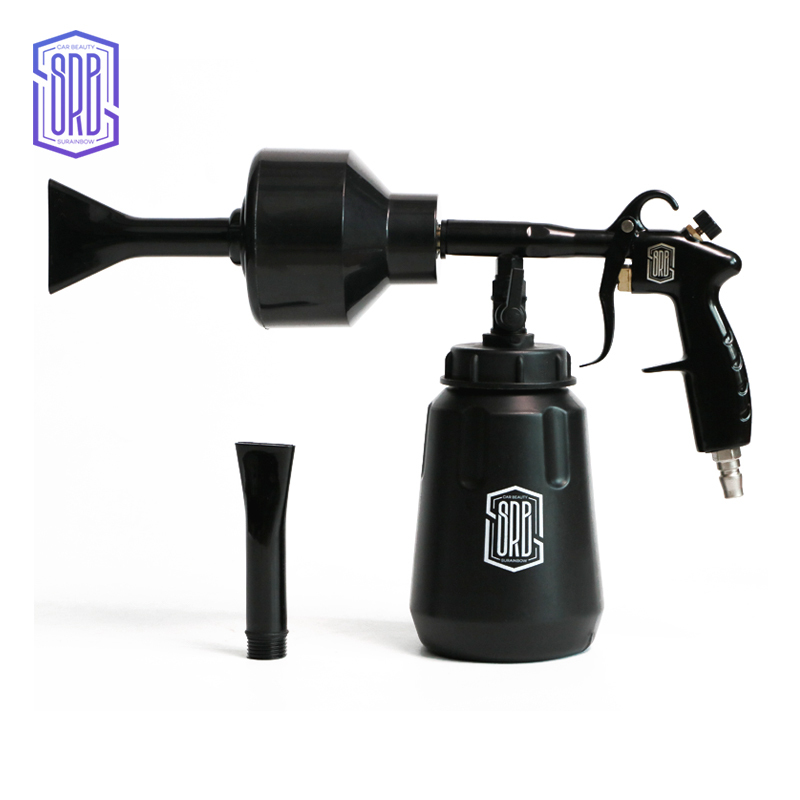
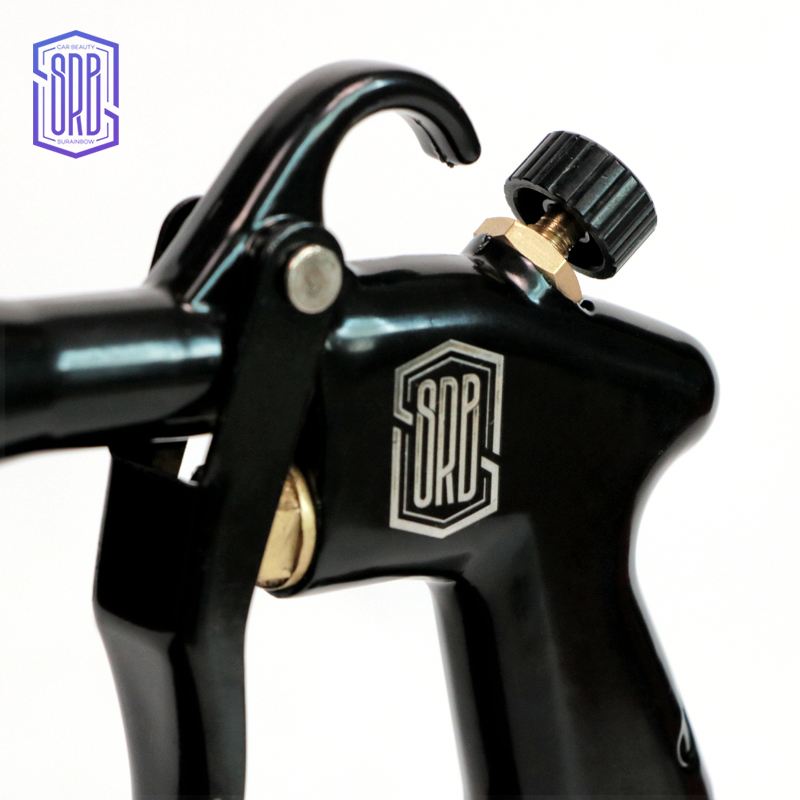
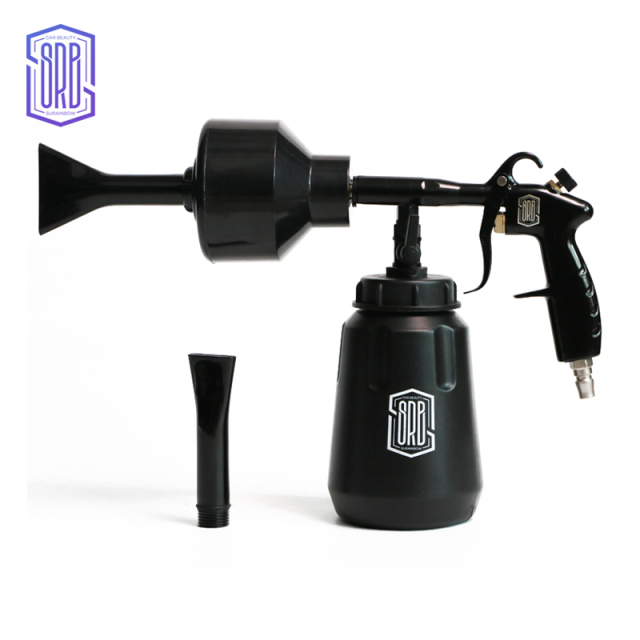
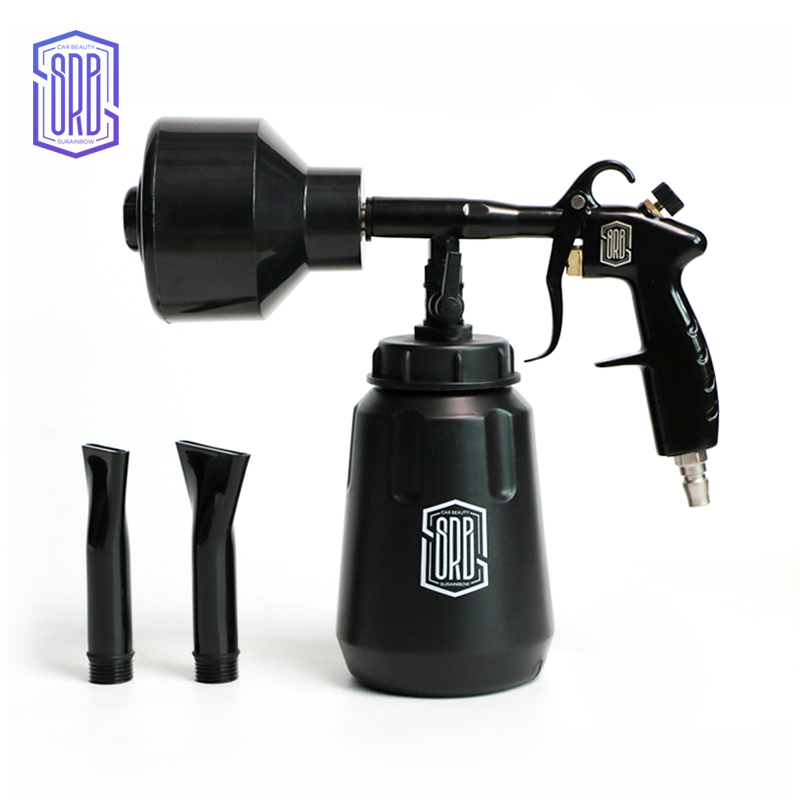
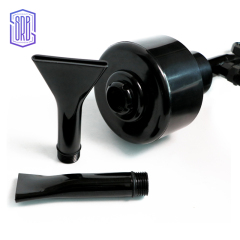
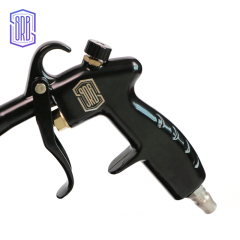
This pneumatic foam gun is a hand-held air tool with a canister reservoir, a pistol grip and a trigger lever. It is built to draw a pre-mixed foam or cleaning solution into the air stream and deliver it through an interchangeable nozzle.
It is the standard tornado foam gun in our range: a compact air compressor foam gun for detailers who already have compressed air and want controlled application on interiors, engine bays, wheel areas and body panels.
As a foam gun manufacturer, we build this model for trade buyers who need repeatable stock rather than a single-unit purchase.
For pneumatic foam gun wholesale orders, the gun is supplied with its canister and nozzle set so a distributor can put a complete unit on the shelf.
It sits alongside our wash chemicals and detailing tools, so a mixed order can cover the gun, the foam shampoo and the brushes used in the same wash bay.
Pneumatic Operation
- Connect the gun to a shop compressor.
- Because it is an air compressor foam gun, the air line supplies the power and there is no motor or battery in the tool.
- Air passes through the body and draws pre-mixed solution from the canister; the mixture leaves through the nozzle as a strong, controllable spray rather than a weak mist.
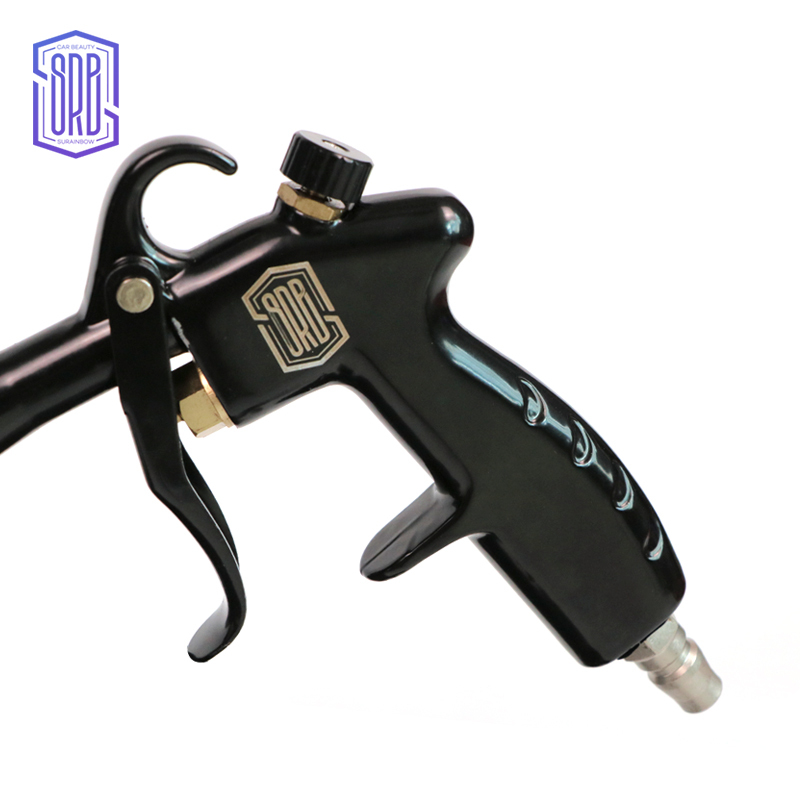
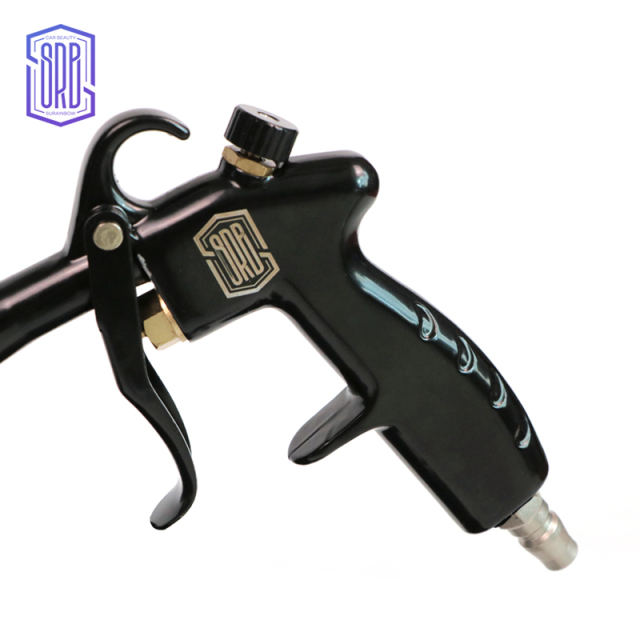
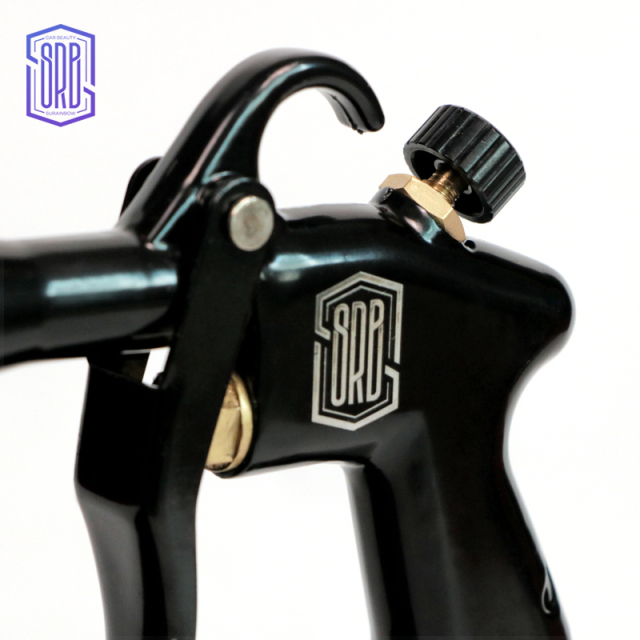
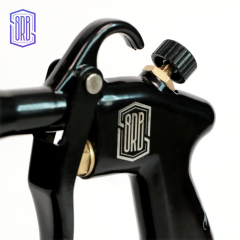
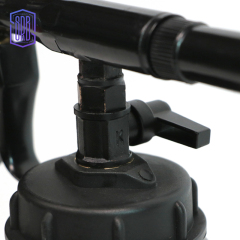
- The trigger lever starts and stops the spray, and the adjustment knob on the body sets how much solution moves with the air.
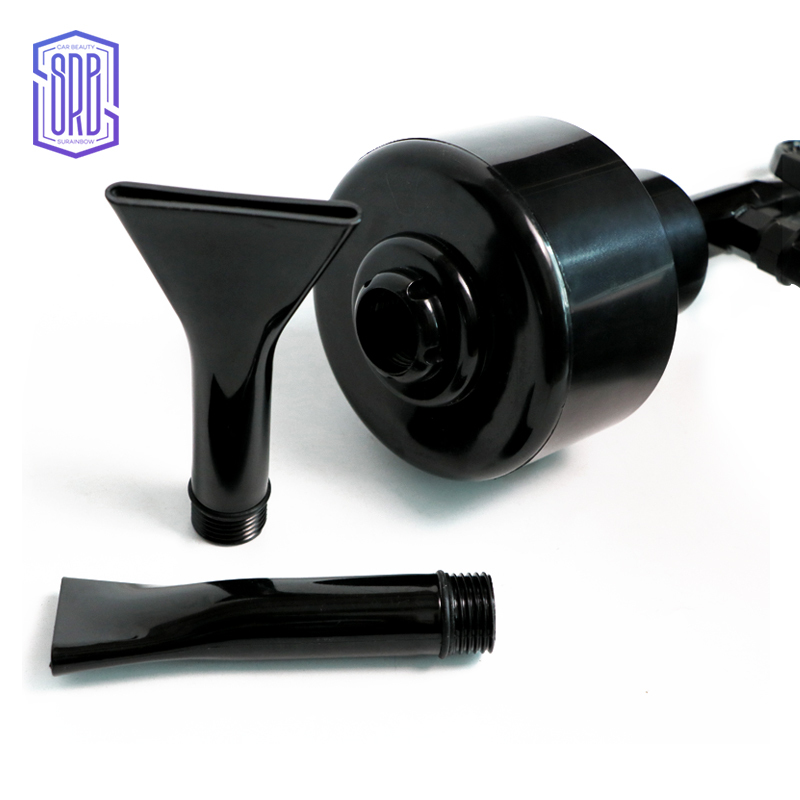
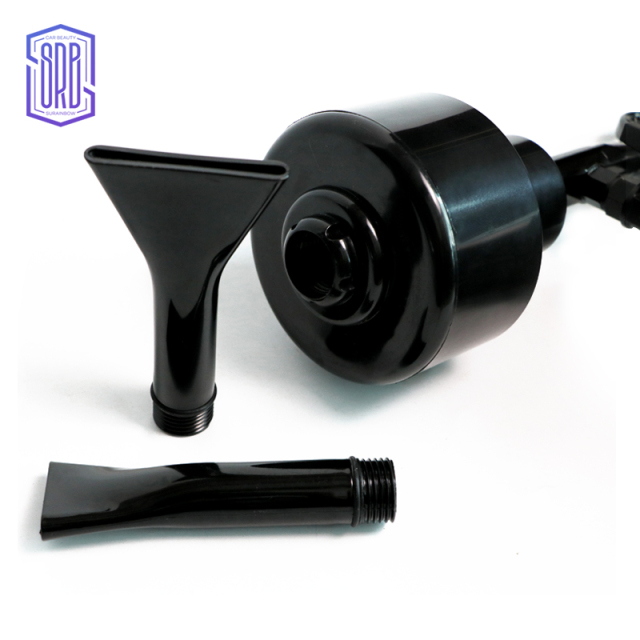
- The nozzle threads onto the front block; a wider nozzle covers panels and arches faster, while a tighter one puts the spray into seams and grilles.
- Because it is a pneumatic foam gun, there is no motor, battery or charging routine to manage between jobs.
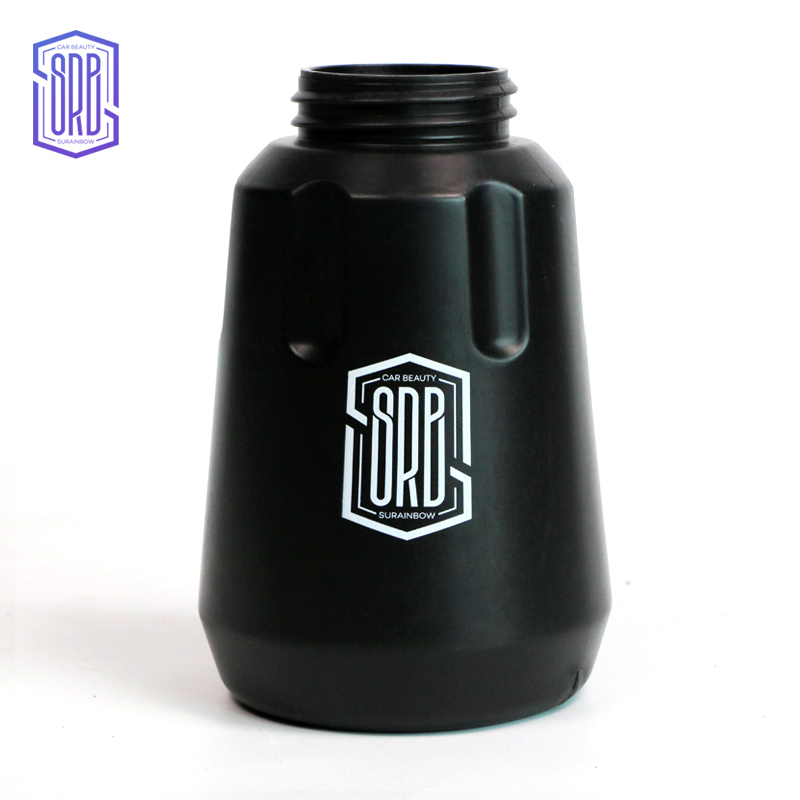
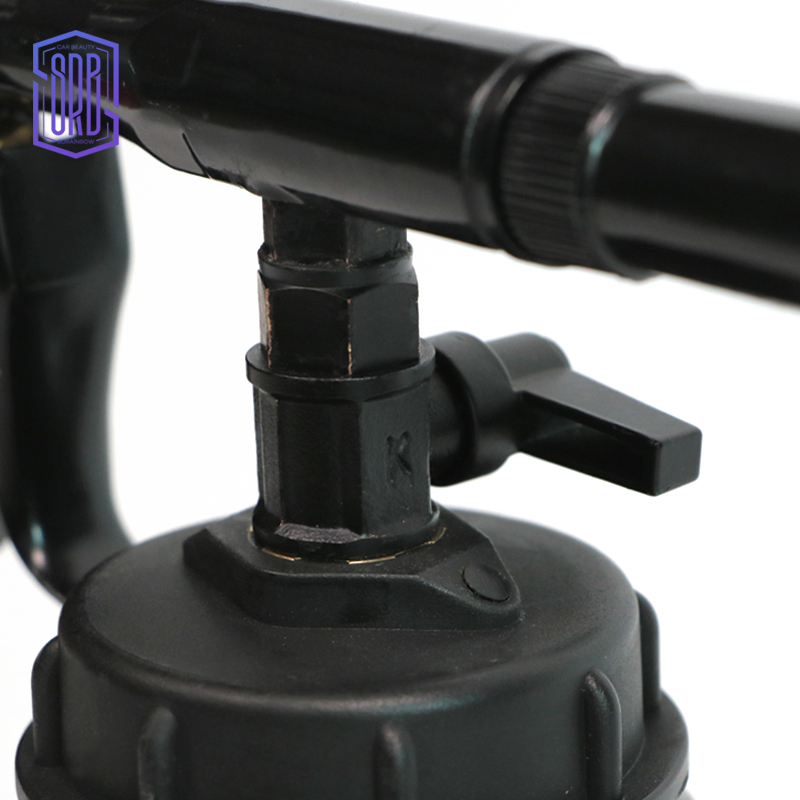
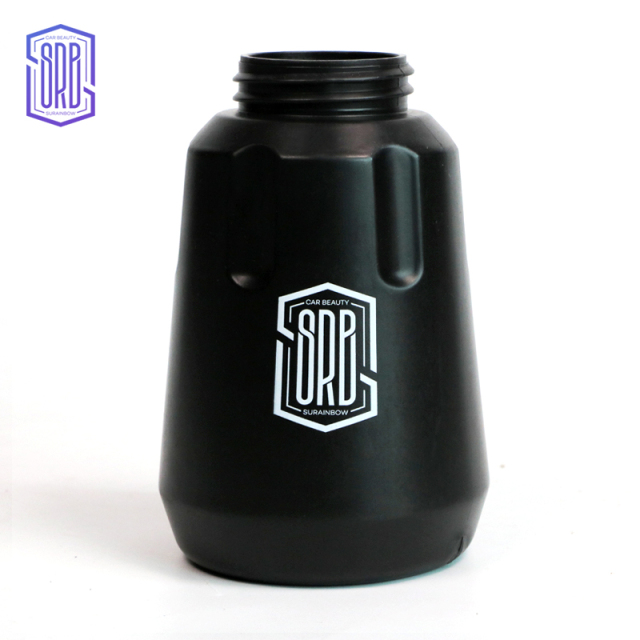
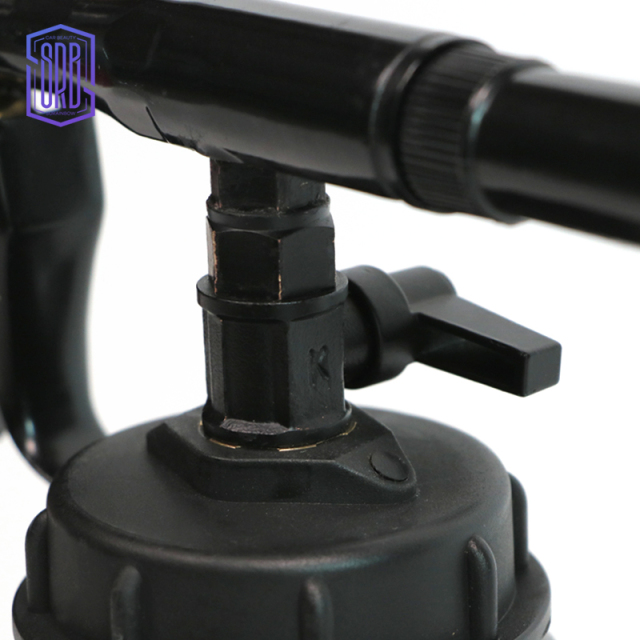
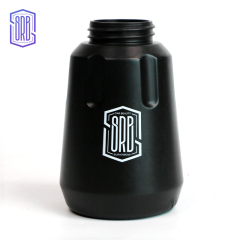
- The canister unscrews from the body for filling and rinsing, and the nozzle set comes off for cleaning or replacement.
Build & Handling
- The pistol grip sits under the body and the canister hangs below the barrel, so the unit balances in one hand during overhead or low work.
- The trigger lever is shaped for the index finger, and the adjustment knob sits within thumb reach on the body.
- The housing has a glossy black finish with a gold logo emblem, and the metal fittings give the front end a solid feel.
- As a car foam gun supplier, we keep the housing, trigger assembly and nozzle fit consistent across production runs.
- The same build goes into every pneumatic foam gun wholesale carton, so a repeat order is predictable.
Air Supply & Nozzle Setup
| Air supply | Compressed air from a shop compressor |
| Drive | Air compressor foam gun; no motor, battery or charging routine |
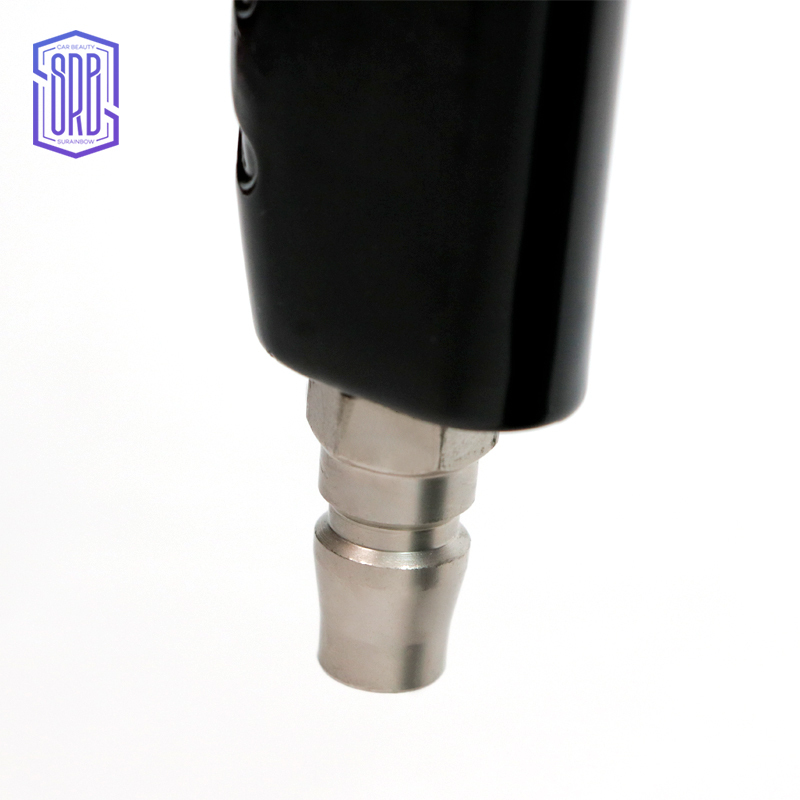
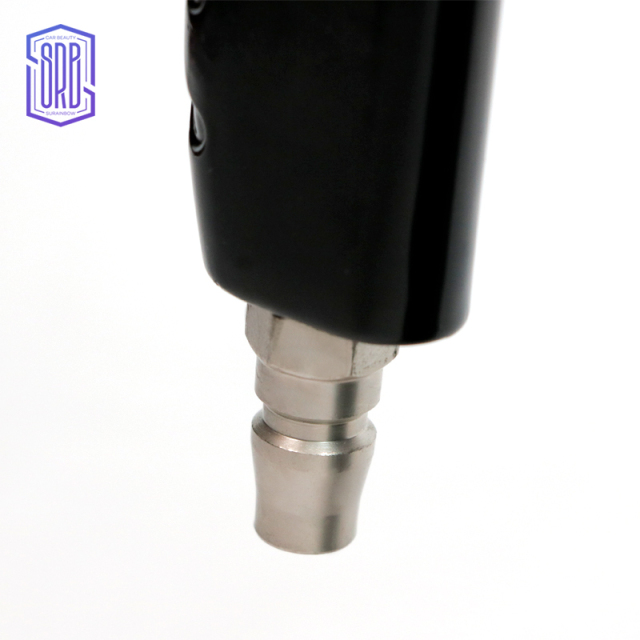
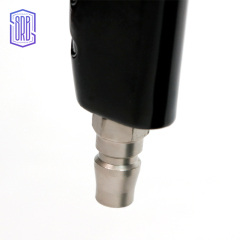
| Air connection | Quick-connect inlet; plug style and working pressure confirmed with your sales contact |
| Air quality | Clean, dry compressed air |
| Nozzle set | Threaded bases for the interchangeable nozzle attachments |
| Pattern range | Wider pattern for panels and arches; tighter pattern for seams and grilles |
| Typical station | Car wash foam gun on a wash-bay air line |
| Hose support | Operator-supported hose, not hanging from the inlet |
Wash-Bay & Interior Applications
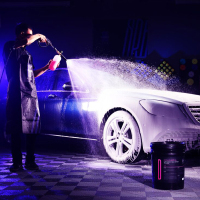
- Hand-wash and tunnel wash bays use it as a car wash foam gun for pre-soak on body panels, wheels and arches.
- Interior crews fit the tighter nozzle and work along door seams, seat rails, console edges and carpet lines.
- Engine-bay technicians wet down plastics, hoses and inner panels before cleaning, keeping electrical connections and air intakes covered.
- Mobile detailers run it from the van compressor for pre-wash and wheel cleaning at the customer location.
- As a car foam gun supplier, we see this model in reconditioning shops where several cars are cleaned in a day and the gun is passed between technicians.
- For body-panel pre-wash, the tornado foam gun lays a controlled layer of foam before the wash mitt touches the paint.
- Used with the right nozzle and diluted shampoo, it becomes part of a foam spray gun car cleaning routine for grilles, badges and panel gaps.
- The gun keeps a technician moving from panel to seam without stopping to change tools, which is the efficiency a busy bay notices.
Specifications
| Product name | Tornado Pneumatic Foam Gun |
| Model | T-119 |
| Brand | SURAINBOW |
| Product type | Air-powered cleaning gun |
| Material | ABS + aluminium alloy |
| Color | Black |
| Product size | 34 x 16 x 26 cm |
| Weight | 1.1 kg |
| Country of origin | Guangdong, China |
| Package size | 36 x 16 x 28 cm |
| Packing | 12 pcs per carton |
Sampling, Ordering & After-Sales
Sampling, testing and sample confirmation run before bulk production. Share the intended use, the surfaces the gun will clean, the destination market and the packaging direction with your sales contact. The sample scope and any applicable sample or courier charges are confirmed before dispatch, so both sides know exactly what is being evaluated. Packaging design, artwork and label content are confirmed against a proof before production. As a car foam gun supplier, we review the label text, barcode data, carton marks and any language requirements against the approved sample so the printed version matches what you approved. For pneumatic foam gun wholesale orders, plan around a minimum of 12 pcs per model, packed 12 pcs to a box. Stock is held for repeat orders, and our position is In stock and fast shipping. As a foam gun manufacturer, we confirm model, carton count and packing marks before production, and the same order file is used to check balance payment, inspection and dispatch. Confirm the balance status, shipping method, consignee details and carton marks before the shipment leaves. Export documents are prepared for the shipment, including the commercial invoice, packing list and the safety data sheet for the model. If your market needs label files or a test report, confirm the list during quotation so the document set can be reviewed before dispatch. If a carton arrives with leakage, a shortage or a quality concern, send the order reference, batch number, affected quantity, photos or video and a description of how the product was stored and used. Packaging issues should be reported within 7 days of receipt and product-quality concerns within 30 days so they can be reviewed against the approved sample and batch records.
Scale & Supply Capability
SURAINBOW is run by Guangzhou Liangdian Automotive Supplies Co., Ltd., a factory-trade operation set up in Guangzhou in 2010 and now 50 people strong. Sixteen years in car care have given us a one-stop supply position: our own SURAINBOW lines are held in stock for fast shipping, and an associate factory with modern production equipment and an established quality management system keeps replenishment moving. We take OEM and ODM work and our R&D team develops to your specification. Buyers in the Middle East, the United States, Southeast Asia, Europe, the UK, Russia, Africa and Australia already order from us.
Daily Use & Care
- Empty the canister as soon as the job is finished; do not leave mixed foam or cleaner sitting in it between cars.
- Rinse the canister with clean water and set it aside to dry with the lid off.
- Flush the nozzle with clean water and check that the openings are clear; a blocked nozzle changes the pattern and makes the trigger work harder.
- Wipe the body with a damp cloth and dry the metal fittings; do not immerse the gun or push water through the air inlet.
- Check the canister seal and nozzle threads before reassembly, and store the gun dry with the nozzle set fitted or in a parts tray.
- Before a busy wash day, trigger the gun with clean water to confirm flow; a foam spray gun car cleaning tool that has been stored wet can sputter on the first car.
FAQ
What makes this a pneumatic foam gun rather than an electric sprayer?
It runs entirely from compressed air: the shop compressor supplies the power, and there is no motor, battery or charging routine. The canister feeds solution into the air stream, while the trigger and adjustment knob control the spray.
Does this need a separate pump to draw from the canister?
No separate pump is required. The gun is designed to work directly from your compressor's air line, using the airflow to pull solution from the canister. That means there is no pump to prime, no motor to wire, and no electrical components near water.
Because there is no internal pump, there are no pump seals to wear out from chemical contact and no risk of dry running. The only maintenance is keeping the gun clean: rinse the canister and flush clean water through the body after each use.
For reliable draw, keep the canister lid tight and do not overfill; leave some headspace so the air can pull the liquid up the tube. Use a pre-mixed solution and strain it if it contains undissolved particles, so the pickup tube stays clear.
Any standard shop compressor that supplies enough air flow for the gun will work. Check the gun's air consumption against your compressor's output before first use. The gun is a pneumatic foam gun, so it performs reliably with a steady air supply and a clean, unrestricted air line.
Can I use it as a car wash foam gun on body panels?
Yes. It works well as a car wash foam gun for pre-soaking body panels before the contact wash. Fill the canister with a diluted foam shampoo, fit the wider nozzle, and mist the panels from the bottom up to cover the surface evenly. Let the foam dwell for the time recommended by the shampoo supplier, then rinse from the top down.
Always follow the chemical maker's dilution ratio and contact time. A mix that is too strong can stain trim or dry too quickly; too weak and it will not lift road film. Test on a small, inconspicuous panel first if you are trying a new shampoo.
The gun lays down a controlled layer rather than a high-pressure blast, so it is gentle on clear coat and safe around badges, trim and panel gaps. Keep the gun moving and avoid letting foam dry on the surface, especially in direct sun or on hot panels.
For wheels and arches, the same wide nozzle works well; use a separate canister or rinse thoroughly if you switch between body shampoo and a wheel cleaner. After the pre-soak, rinse the vehicle thoroughly before touching it with a wash mitt.
Is this a tornado foam gun for interior and engine work?
Yes. It is the standard model in that range, and the tighter nozzle pattern is the one most crews use along seams, grilles and engine-bay edges. Keep electrical connections covered and avoid soaking sensitive areas.
How do I clean the gun after use?
Empty the canister, rinse it and the nozzle with clean water, wipe the body and dry the parts before storage. Do not leave cleaner sitting in the canister; that is the most common way a foam spray gun car cleaning tool loses performance.
What is included with the gun?
Each gun is supplied as a complete unit: the gun body with trigger and adjustment knob, the canister cup, the air fitting, and the interchangeable nozzle attachments shown in the product photos. The canister screws onto the body, and the nozzles push or thread into the front block depending on the design.
Before first use, check the contents against your order. Confirm that the canister is undamaged, the seal is seated, and the nozzle set is complete. Look inside the air fitting for any packing debris, and blow it out with air if needed. If anything is missing or damaged, contact your supplier before assembling.
For daily use, keep the nozzle set together with the gun. You can store the nozzles in the canister when it is dry to avoid losing them. After cleaning, let all parts dry fully before reassembling to prevent water spots or corrosion.
For wholesale orders, the guns are packed 12 units per carton. Each unit should be complete with its own accessories, so check a sample carton on arrival and confirm the count before distributing.